
For facilities, estates and property teams
Electrical Contractor for Facilities Managers
A practical electrical contractor route for day-to-day works, planned maintenance, compliance activity and project support. WB Electrical helps facilities teams coordinate the right service, site access, approvals and handover without turning every task into a separate contractor search.
Based in Larkhall, we support facilities and estates teams across Glasgow, Lanarkshire and the Central Belt. Multi-site and larger project-led requirements elsewhere in Scotland are considered by agreement.
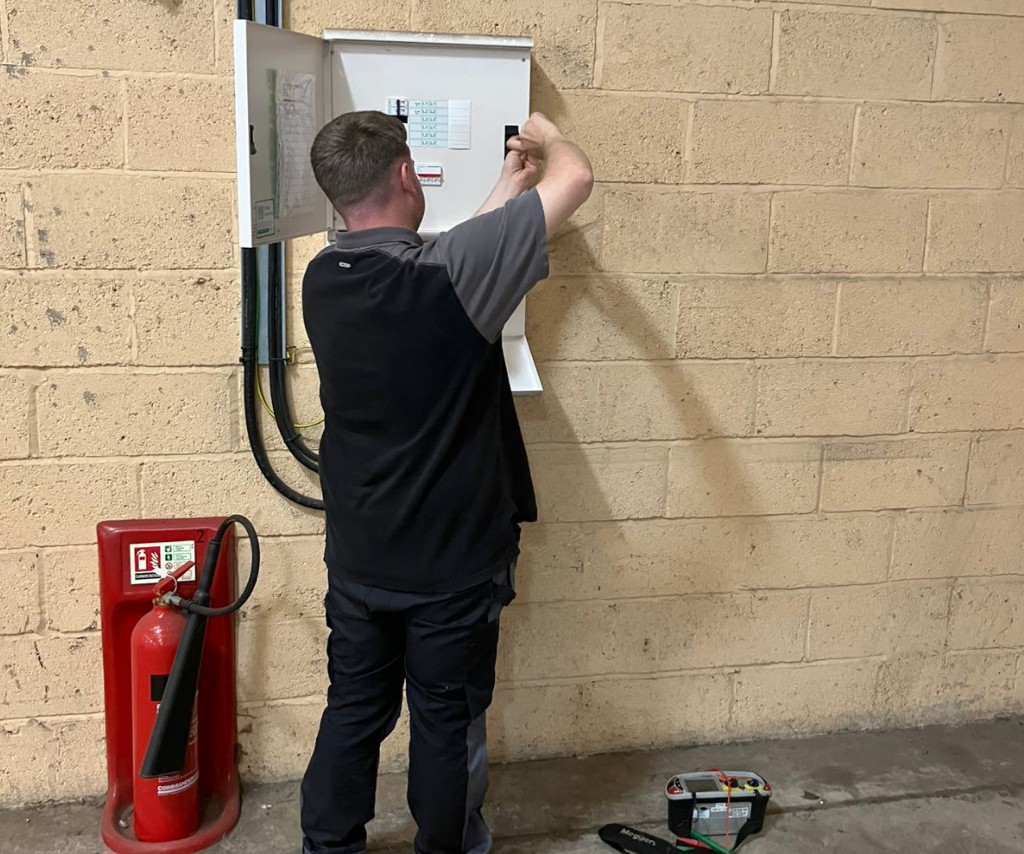
One electrical relationship, with each task scoped properly.
One estate can have several priorities
Electrical support that fits facilities management
A facilities workload can range from a failed fitting or new socket to planned testing, distribution upgrades and multi-site maintenance. The useful starting point is the task, priority, site and records you need, then the work can be routed to the right WB service.

Keep day-to-day works moving
Small installations, alterations and repairs often need a straightforward route from instruction to completion, with access, approvals and disruption managed around the building.

Stay ahead of planned and compliance work
Maintenance, testing and remedials need clear scopes, due dates, findings and close-out records so work does not disappear between inspection, authorisation and repair.

Coordinate several sites or stakeholders
Multi-site estates need consistent site references, local contacts, work-order information and handover, while still recognising that each location has different access and operational constraints.
Start with the work your team needs managed
Bring the right electrical services into one route
Facilities managers do not need every electrical requirement forced into one contract type. WB can support a single task or help coordinate several services, while each service keeps its own technical scope, records and commercial responsibility.
Installations, small works and alterations
For new circuits, sockets, lighting points, local supplies, distribution changes and practical improvements to existing premises.
Use the relevant Electrical Installations component so the work is scoped to the actual change rather than treated as generic maintenance.

Planned and reactive electrical maintenance
For recurring site support, fault finding, planned checks, equipment servicing and a structured route for follow-up works.
An ongoing relationship can build useful site history and reduce repeated explanation, with response expectations agreed for the actual estate.

Testing, inspection and remedial close-out
For EICR, emergency lighting testing, PAT, condition inspections and compliance-led electrical records.
Testing and maintenance can be coordinated, but they remain distinct activities with their own purpose, findings and completion records.
When the facilities brief is wider
LED Lightingcan support upgrade, maintenance and lighting-control requirements across occupied premises.Commercial EV Chargingcovers workplace and fleet charging infrastructure, while
Data & Connectivity Infrastructureprovides the route for structured cabling and network infrastructure requirements.Work orders, access and useful handover
Agree the route from instruction to completion
Facilities work is easier to manage when the site reference, task, priority, approval route and required records travel with the job from the first enquiry through to handover.
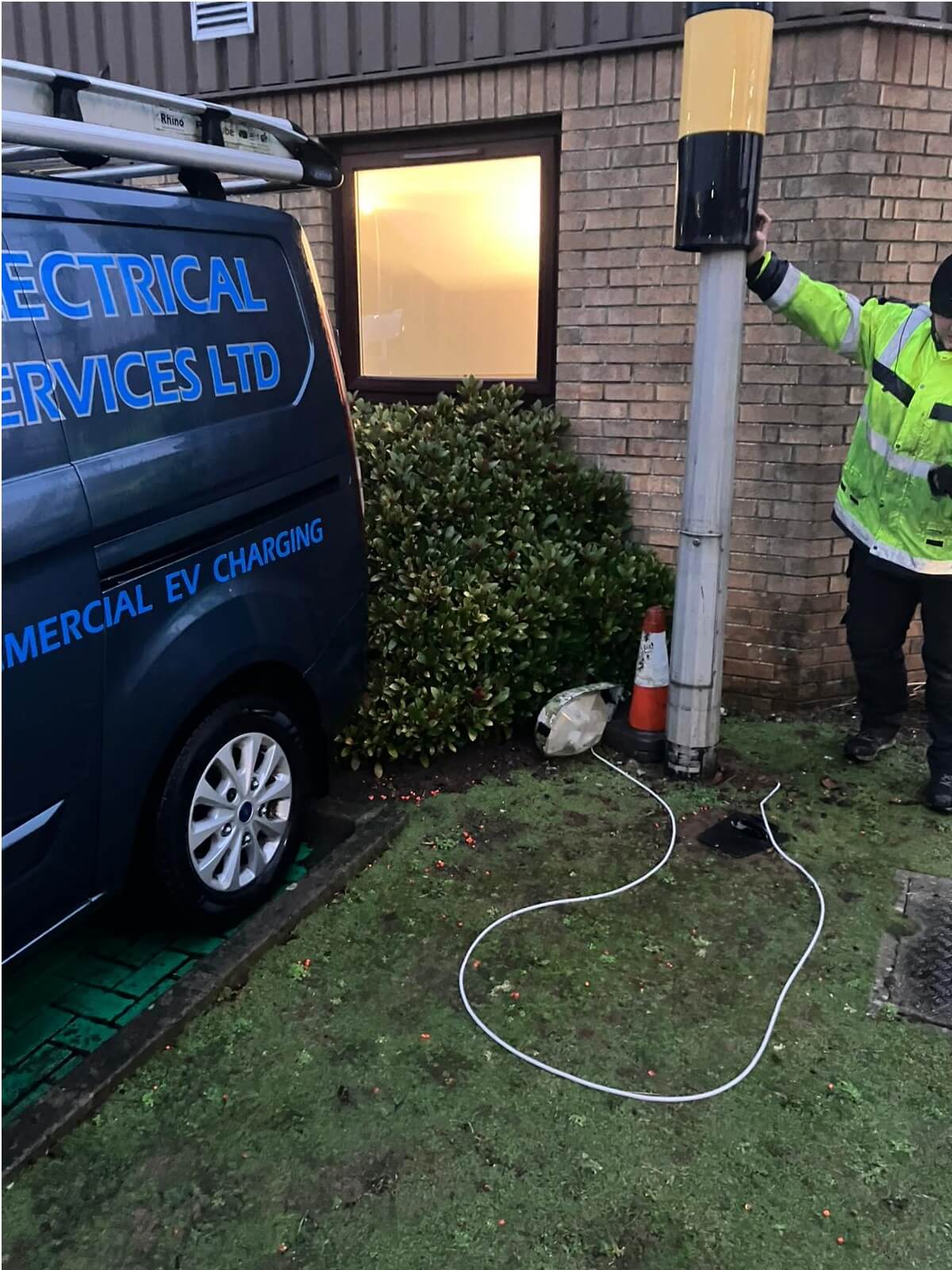
If your organisation uses purchase orders, work-order references, site codes or a CAFM system, tell us what needs to appear on quotations, attendance records, certificates or completion information. WB can align the job information to the agreed process without claiming to replace your FM system.For recurring support, agree which issues are routine, urgent or project-led, who can authorise each type of work and how quotations or follow-on recommendations should be returned to the facilities team.
01
Define the task and priority
Confirm the site, local contact, fault or planned requirement, operational priority, target date and any reports, photographs or existing records already available.
02
Coordinate access and authority
Agree who can approve work, provide access, manage permits or isolation windows, and receive updates. Multi-tenant, public-facing and operational premises may need additional coordination.
03
Complete, record and route follow-up
The agreed electrical work is completed and handed back with the relevant records. Separate defects, recommendations or wider project requirements are identified rather than silently added to the original task.
Where access is restricted, equipment is unavailable or a requested task cannot be completed safely within the agreed attendance, that limitation should remain visible in the records and next action.
Need help shaping a repeat work-order route?Discuss facilities support with WB.
From individual jobs to an estate record
Keep electrical information useful after the engineer leaves
Facilities teams need to know which site was attended, what was completed, what remains open and what should happen next. Agree the naming, recipient and reference information before repeat work begins.
For each attendance
- Correct site, building or area reference and the agreed task.
- Work completed, relevant test or completion information and any limitation.
- Separate defects or recommendations raised to the nominated contact.
- Clear next action where approval, quotation or specialist follow-up is required.
Across several sites
Use consistent site names, local contacts, order references and report naming. Existing due dates, fault history and open remedials can inform a more structured programme while each certificate or service record keeps its own technical purpose.
The goal is not paperwork for its own sake. It is a usable electrical history that helps the facilities team authorise work, prepare for audits, plan budgets and avoid losing unresolved actions.
Where a wider project is needed:WB can scope the installation or project work separately so routine facilities support is not blurred with a larger capital or refurbishment package.Explore M&E Project Support.
Direct evidence across a live multi-site estate
Planned, reactive and compliance support across many locations
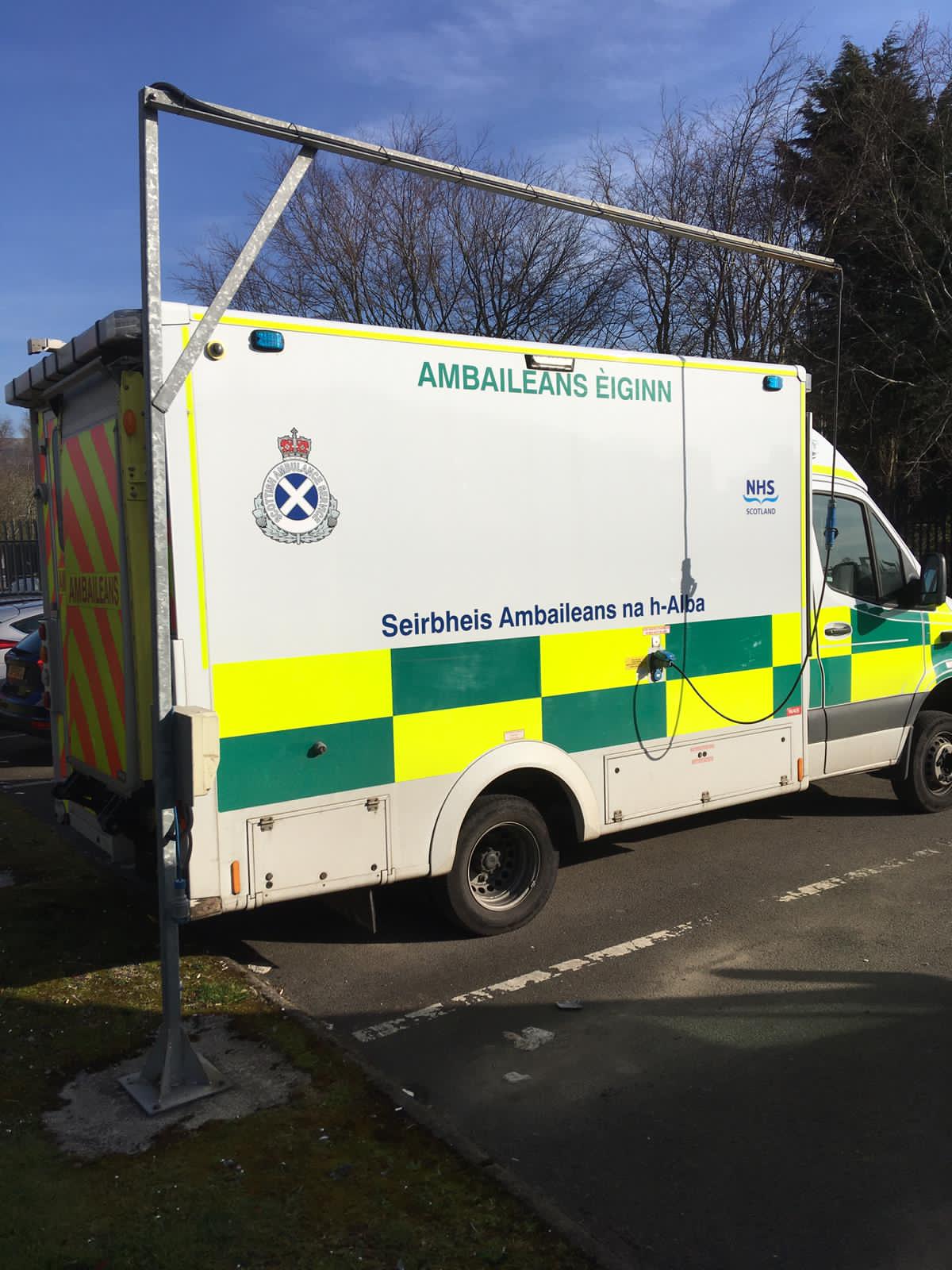
Scottish Ambulance Service
WB Electrical has supported the Scottish Ambulance Service since 1990 across more than 184 locations and 12 contract areas, covering planned installations, preventative maintenance, reactive repairs, statutory testing and remedial work.
The case study demonstrates multi-site coordination, local contacts, access and isolation planning, varied electrical tasks and clear handover across an operational estate. Its 24/7 response arrangement was specific to that contract and is not presented as a default service for every client.
Supplier assurance
For contractor selection and procurement, reviewWB’s current accreditations and certificates. Tell us about any onboarding, insurance, portal or supplier-document requirements when enquiring.
Before you appoint or brief an electrical contractor
Facilities manager electrical support questions
Can WB support both one-off jobs and an ongoing facilities relationship?
Yes. A facilities team can use WB for a defined one-off task or discuss an ongoing arrangement covering agreed planned and reactive requirements. The commercial model, sites, approval route, response expectations and records are defined for the actual relationship.
Can electrical work be planned around occupied or operational premises?
Often. Access, isolations, working hours, public or staff areas and critical equipment are considered before the work is agreed. Phasing, planned shutdown windows or out-of-hours work may be possible where the installation and scope allow.
Can WB work with our purchase orders, work orders and site references?
Yes. Tell us which references need to appear on quotations, attendance information and completion records. Where your organisation uses a CAFM or helpdesk system, WB can work to the agreed information and authorisation route without claiming direct system integration unless that has been specifically arranged.
Does WB provide 24/7 reactive cover to facilities clients?
Only where an out-of-hours or on-call arrangement has been specifically agreed. The Scottish Ambulance Service case study includes 24/7 support, but another client’s response times, escalation route and coverage would need to be defined separately.
Can maintenance, testing and remedial works be coordinated together?
Yes, where it helps the estate programme. Planned maintenance, EICR, emergency lighting, PAT and remedial work can be coordinated operationally, but each activity keeps its own technical purpose, scope, findings and completion records.
Need wider project coordination as well? SeeM&E Project Support. For installation-led requirements, exploreElectrical Installations.
One site, several buildings or a managed estate
Discuss electrical support for your facilities team
Tell us how your facilities function works and what prompted the enquiry. We can identify whether the next step is a one-off quotation, records review, site visit, maintenance discussion or wider project scope.
Useful information to send
- Organisation, site address and building or estate references.
- The immediate task, priority and required completion date.
- Purchase order, work-order, approval or reporting requirements.
- Existing reports, photographs, drawings or known open remedials.
- Access, operating hours, local contacts and any isolation or permit constraints.
If the requirement covers several locations, provide the site list and explain whether the need is one-off, recurring, planned, reactive or project-based.
What affects the commercial arrangement?
Site numbers, work types, travel, access, response expectations, working hours, reporting, approval process and whether work is one-off or recurring all affect the right commercial model. WB can start with a defined task or site review before a wider arrangement is agreed.
Routine works, formal testing, reactive response and project work can sit within one client relationship without being treated as one undifferentiated scope. Clear work categories make authorisation, pricing and records easier to manage.
For main-contractor, M&E or specialist-package coordination, useM&E Project Support.