
For commercial, industrial and public-sector sites
Commercial Electrical Maintenance Across Scotland
Planned preventative maintenance, reactive electrical support, condition monitoring and coordinated follow-up for working sites. Start with one issue or build an ongoing maintenance arrangement around your building, plant or estate.
Established in 1989 and based in Larkhall, we support sites across the Central Belt and planned maintenance programmes throughout Scotland.
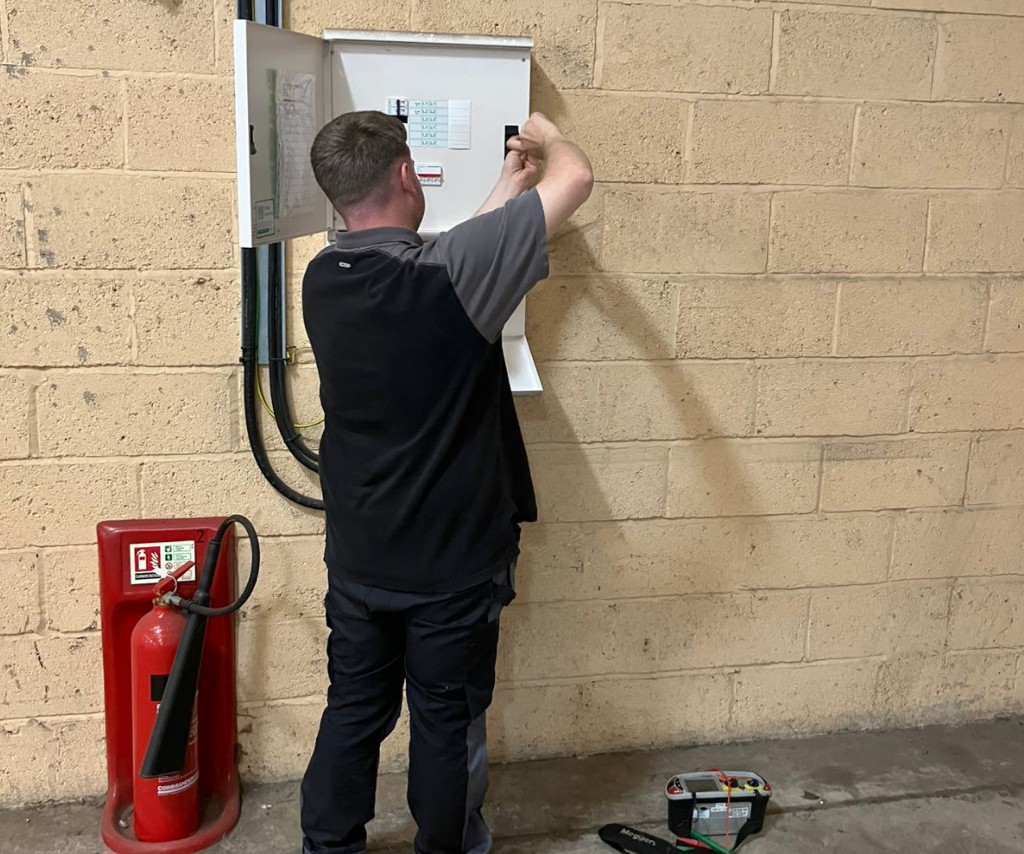
Planned work. Reactive support. Clear follow-up.
Recognised credentials for contractor and supplier checks




View current accreditations and certificates and confirm the evidence relevant to your scope.
Start with what your site needs
Choose the right electrical maintenance service
Different maintenance needs call for different scopes. Choose the route closest to the immediate requirement, or tell us what is happening and we can help identify a practical starting point.
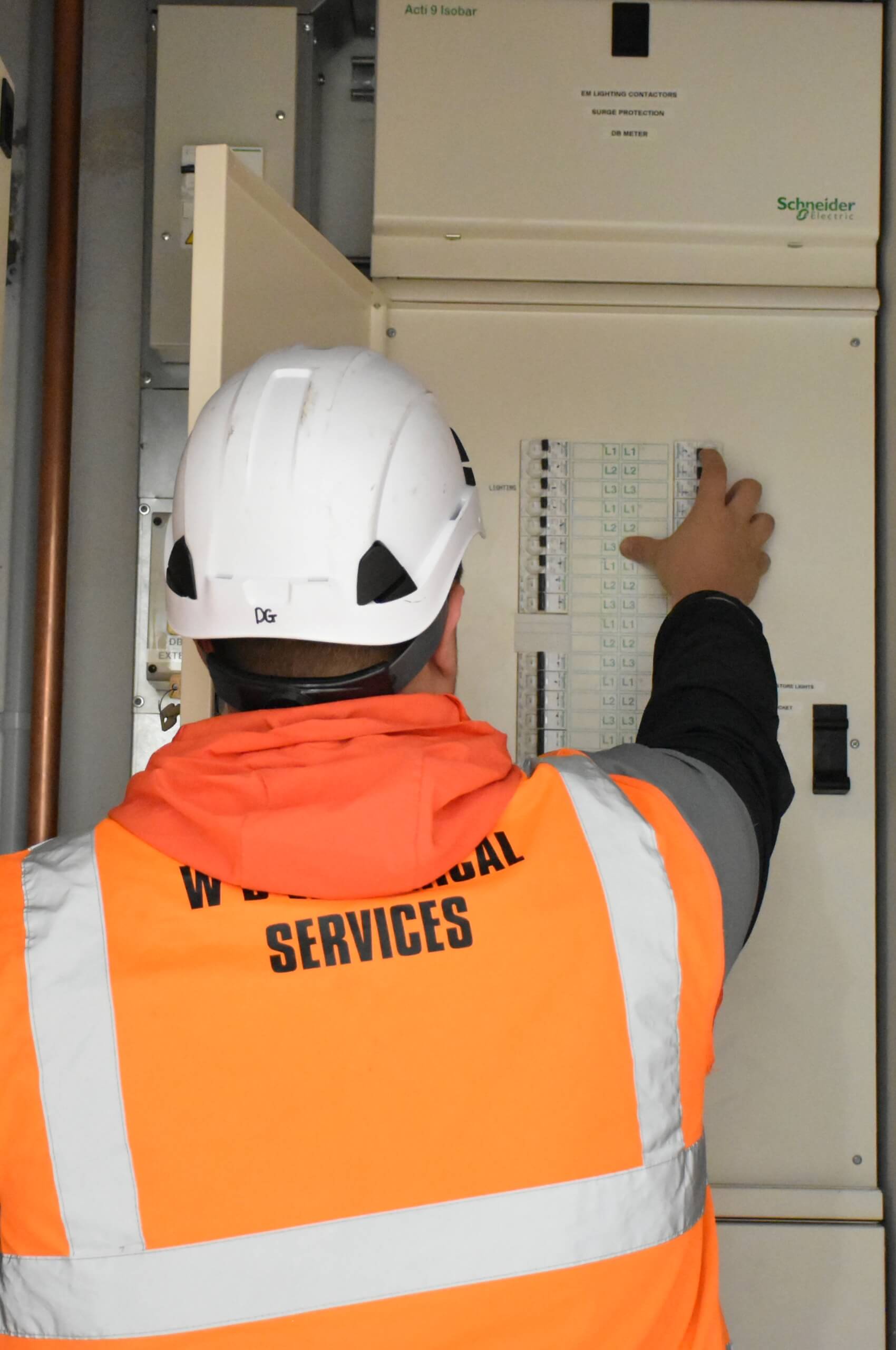
Planned Preventative Maintenance
Build a repeatable PPM programme around agreed electrical assets, operating conditions, risk and maintenance history, with useful records and planned follow-up.

Reactive Electrical Callouts
For unexpected power loss, tripping, overheating concerns and other electrical faults that need triage, safe fault finding and a practical restoration or repair route.

Thermal Imaging & Condition Monitoring
Use baseline and repeat thermographic surveys where suitable to compare condition over time, track known concerns and feed evidence into maintenance decisions.
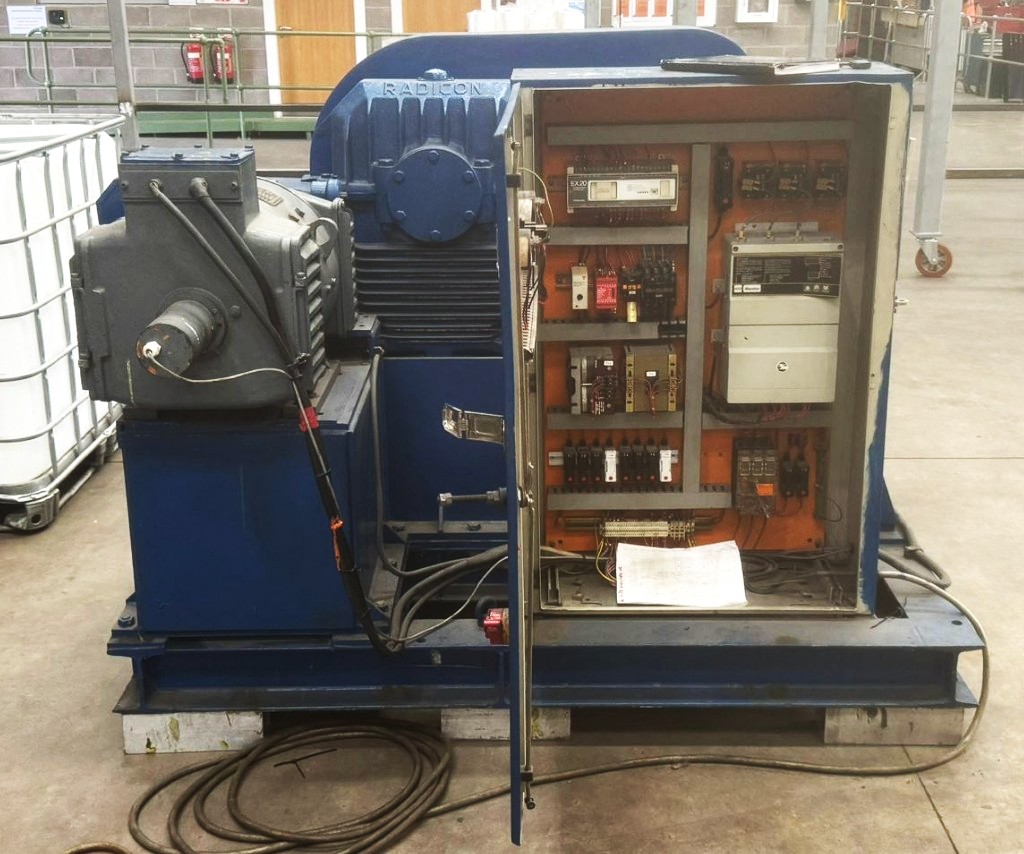
Electrical Equipment Servicing
Plan task-specific servicing for agreed electrical assets and interfaces, with manufacturer requirements, responsibilities, records and follow-on work defined before attendance.

Compliance Testing & Scheduling
Coordinate EICR, emergency lighting, PAT and other agreed activities within a clear schedule while keeping each formal test, record and requirement distinct.
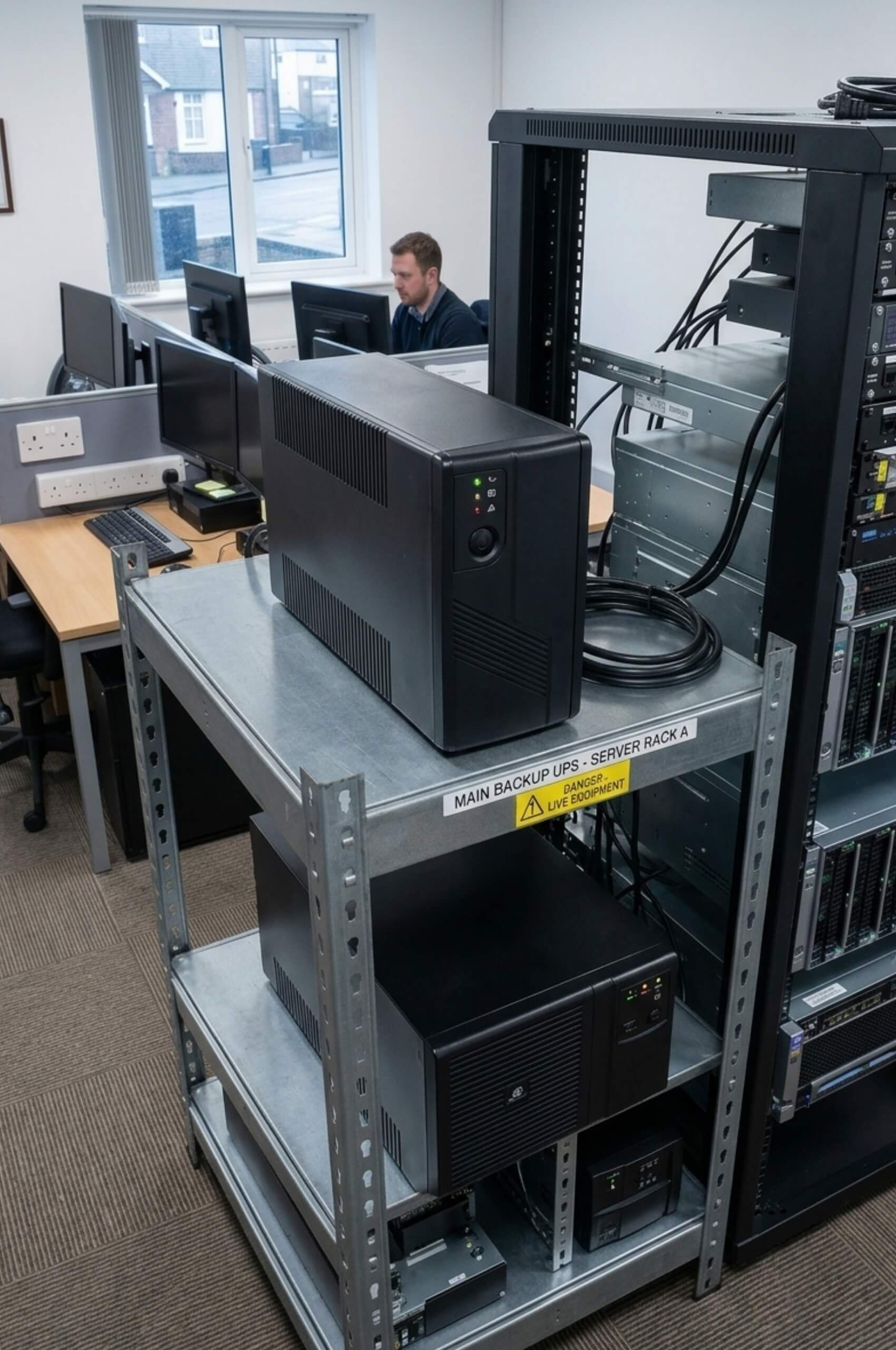
Backup & Standby Power Systems
Review critical loads, changeover arrangements, UPS or generator electrical interfaces and the ongoing electrical support needed for agreed continuity systems.
One contractor. Agreed scope. Clear response.
Need planned and reactive support under one maintenance arrangement?
For one building, several sites or an operational estate, WB can bring agreed maintenance services into a defined contractor relationship with clear instruction routes, priorities, records and review points.
Use Electrical Maintenance Contractor for contract scope, procurement, service levels and combined planned and reactive support.
Response expectations should be explicit
Priority categories, out-of-hours cover, attendance expectations and exclusions are agreed for the individual arrangement. A contract-specific 24/7 service should not be assumed unless it is expressly included.
From first review to ongoing improvement
Build maintenance around the site, not a generic checklist
A useful maintenance arrangement connects the condition of the electrical systems, the way the site operates and the actions that need to be completed afterwards.
01
Understand the site and priorities
Start with available asset information, previous reports, known faults, critical loads and operating constraints. Identify what needs attention now and what belongs in a planned programme.
02
Plan safe access and the right maintenance route
Agree contacts, permits, access, isolations, working hours and any specialist interfaces. Separate routine maintenance, reactive response, formal testing and manufacturer-specific work so responsibilities stay clear.
03
Record actions and refine the programme
Complete the agreed work, raise significant concerns, record limitations and define the next action. Recurring findings and site changes can then inform future visits, priorities and maintenance frequency.

What useful maintenance records should make clear
- The site, area or asset included in the visit.
- The work completed and any observations or parts changed.
- Faults, limitations and anything that could not be safely accessed or completed.
- The recommended next action, approval route or target where agreed.
- The maintenance record and any separate report, certificate or register produced for formal testing.
For several sites, use consistent references while keeping each location, asset, finding and outstanding action distinct.
Routine maintenance and formal inspection or testing are complementary but not interchangeable. EICR, emergency lighting testing and PAT retain their own scope and records even when dates and remedials are coordinated within one maintenance plan.
If an electrical fault is time-sensitive, call the office and explain the site, symptoms and any immediate safety or operational concern. Attendance depends on location, scope, access, current commitments and a suitable safe response.
Long-term support across an operational estate
Multi-Site Electrical Maintenance for the Scottish Ambulance Service
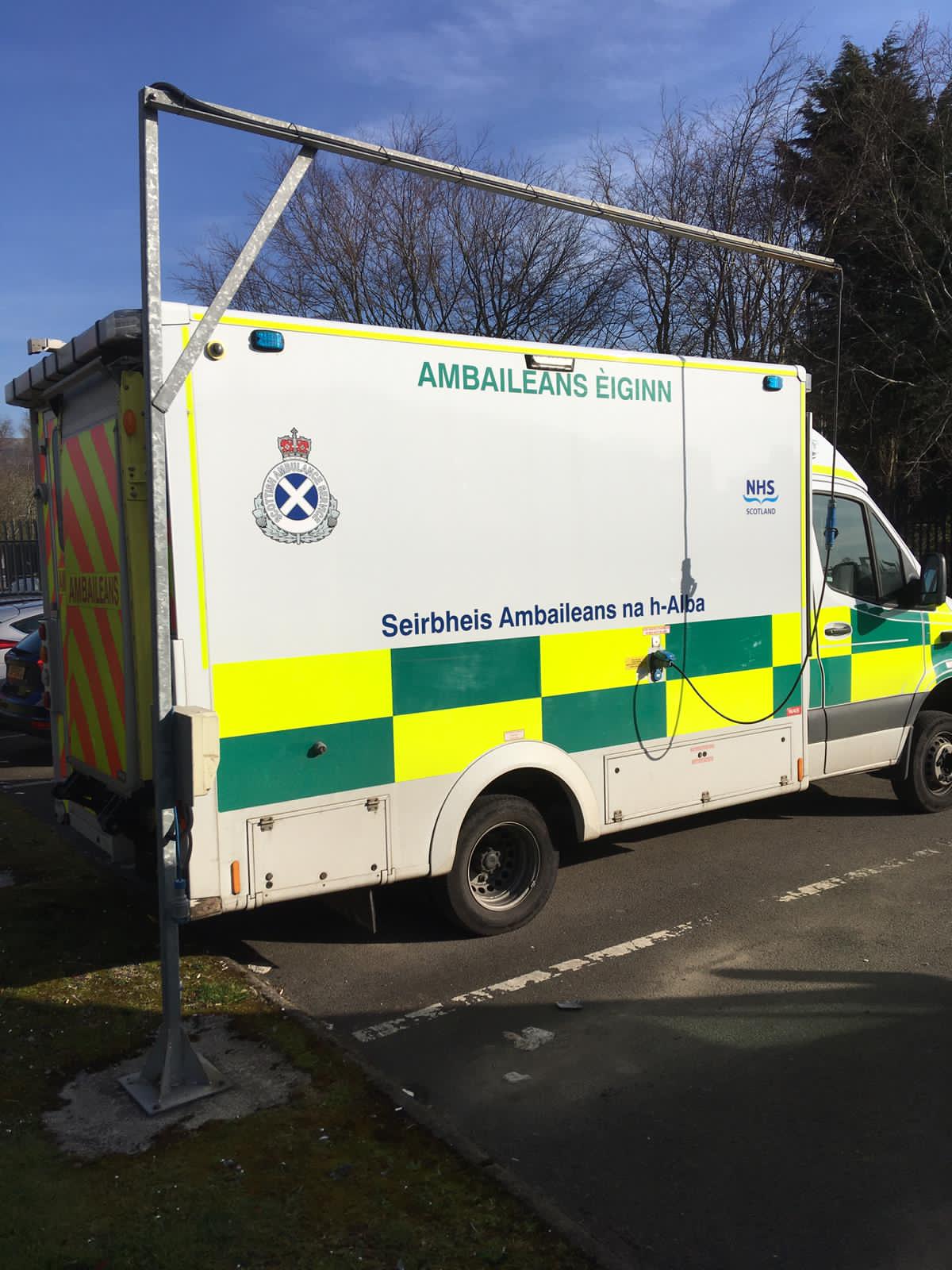
Project context: an operational Scottish Ambulance Service site.
A relationship maintained since 1990
WB’s published Scottish Ambulance Service case covers preventative maintenance, reactive repairs, installations and statutory inspection and testing across a geographically dispersed Scottish estate.
More than 184 locations have been attended across 12 contract areas. The case demonstrates long-term coordination around occupied operational premises, different access arrangements and changing priorities. Its 24/7 attendance model was specific to that contract and is not a blanket WB service promise.
Evidence for your maintenance procurement
Tell us about required competence, insurance, RAMS, supplier questionnaires, reporting formats, escalation routes or service-level requirements. We can match the supporting information to the scope being discussed.
The maintenance service stays clear. The operating environment changes.
Electrical maintenance planned around your premises
Offices & commercial property
Occupied floors, IT and communications, shared services, landlord or tenant boundaries and access around staff and visitors.

Warehouses & logistics
Shifts, loading and dispatch activity, vehicle movement, high-level access, charging interfaces and critical lighting or power.

Manufacturing & industrial
Production continuity, machinery electrical interfaces, changing loads, permits, safe isolation and planned shutdown windows.

Healthcare & public sector estates
Live services, controlled access, estates procedures, critical circuits, specialist-system boundaries and multi-site records.
Need a different operating environment? Explore all sectors WB Electrical supports.
Clear answers before you commit
Commercial electrical maintenance questions
Choosing the right support
We are not sure whether we need PPM, reactive support, testing or a maintenance contract. Where do we start?
Start with the immediate trigger. A recurring programme belongs with planned maintenance; an unexpected fault belongs with reactive support; a formal report or certificate belongs with the relevant testing service; and a combined relationship with agreed response terms belongs with the maintenance contractor route. If you are unsure, describe the site and problem and we can identify the next useful step.
Does planned maintenance replace EICR, PAT or emergency lighting testing?
No. Routine maintenance and formal inspection or testing serve different purposes. They can be coordinated within one programme, but EICR, emergency lighting testing, PAT and other formal activities retain their own method, scope and records.
How often should electrical maintenance be carried out?
There is no single interval that suits every site or asset. The starting frequency should reflect the equipment, environment, operating hours, condition, previous faults, manufacturer information, criticality and the consequences of failure, then be reviewed as maintenance history develops.
What can an electrical maintenance programme include?
It can combine agreed planned visits, equipment servicing, condition monitoring, minor repairs, action tracking, compliance scheduling and a defined route for reactive faults. The final scope should state the included sites, assets, activities, exclusions, records and any response arrangements.
Planning attendance and service levels
Can maintenance be planned around production, tenants or opening hours?
Yes. Depending on the task, visits can be phased around shifts, quieter periods, evenings, weekends or planned shutdowns. The safest and most practical arrangement depends on access, isolation, critical systems and the people authorised to coordinate the work.
What affects the cost of an electrical maintenance arrangement?
Site size, number and type of assets, operating hours, access, shutdown complexity, visit frequency, reporting requirements, reactive coverage, specialist interfaces and travel all affect cost. A defined initial scope makes quotations easier to compare and refine.
Can WB coordinate maintenance across several sites in Scotland?
Yes. A multi-site arrangement can use consistent contacts, reporting and review structures while retaining the different assets, operating conditions, access rules and priorities at each location. Larger Scottish programmes are considered by agreement.
Findings, faults and follow-up
What happens if maintenance identifies an urgent electrical concern?
The engineer raises significant concerns with the nominated site contact and works within the agreed authority and safe conditions. The next step may be make-safe action, further investigation, reactive repair or a separately scoped remedial quotation.
Can you take over a site with records or maintenance history from another contractor?
Yes. Existing reports, asset lists, drawings, fault history and maintenance records can be reviewed as part of the baseline. Gaps or uncertain information should be recorded rather than assumed, and additional checks may be needed before a new programme is finalised.
What reporting can we receive after maintenance visits?
Reporting can identify the sites, areas or assets covered, work completed, findings, photographs where useful, limitations and agreed next actions. The exact format, approval route and any formal certification requirements should be defined in the maintenance scope.
One fault, one site or a wider maintenance programme
Tell us what you look after
Start with the information you have. We can identify whether the next step is a document review, site visit, reactive discussion, planned-maintenance proposal or wider contractor arrangement.
Useful details for your enquiry
- Site addresses, number of locations and normal operating hours.
- Priority electrical systems, assets or operational areas.
- Known faults, previous reports, asset lists or maintenance history.
- Current maintenance or compliance dates and any known outstanding actions.
- Access rules, permits, shutdown constraints and preferred response expectations.
Missing asset lists or perfect records do not need to stop an enquiry. Mention any reports, photographs, schedules or maintenance information you already have; the office can confirm the most useful next step.

Start a maintenance enquiry
We will review the requirement and confirm what is needed for a quotation or site visit. The agreed scope will distinguish planned work, reactive response, formal testing and any specialist or separately priced follow-up.
For a home or residential property, use the domestic quote route.