
For gas and vapour hazardous-area electrical work
CompEx Hazardous Area Electrical Services Across Scotland
Choose the right hazardous-area electrical route, plan the work around your site and keep the scope traceable. WB Electrical supports identified gas and vapour hazardous areas with installation, inspection, maintenance, Ex equipment and connected electrical support.
Established in 1989 and based in Larkhall, we support suitable hazardous-area requirements across the Central Belt and planned projects throughout Scotland.
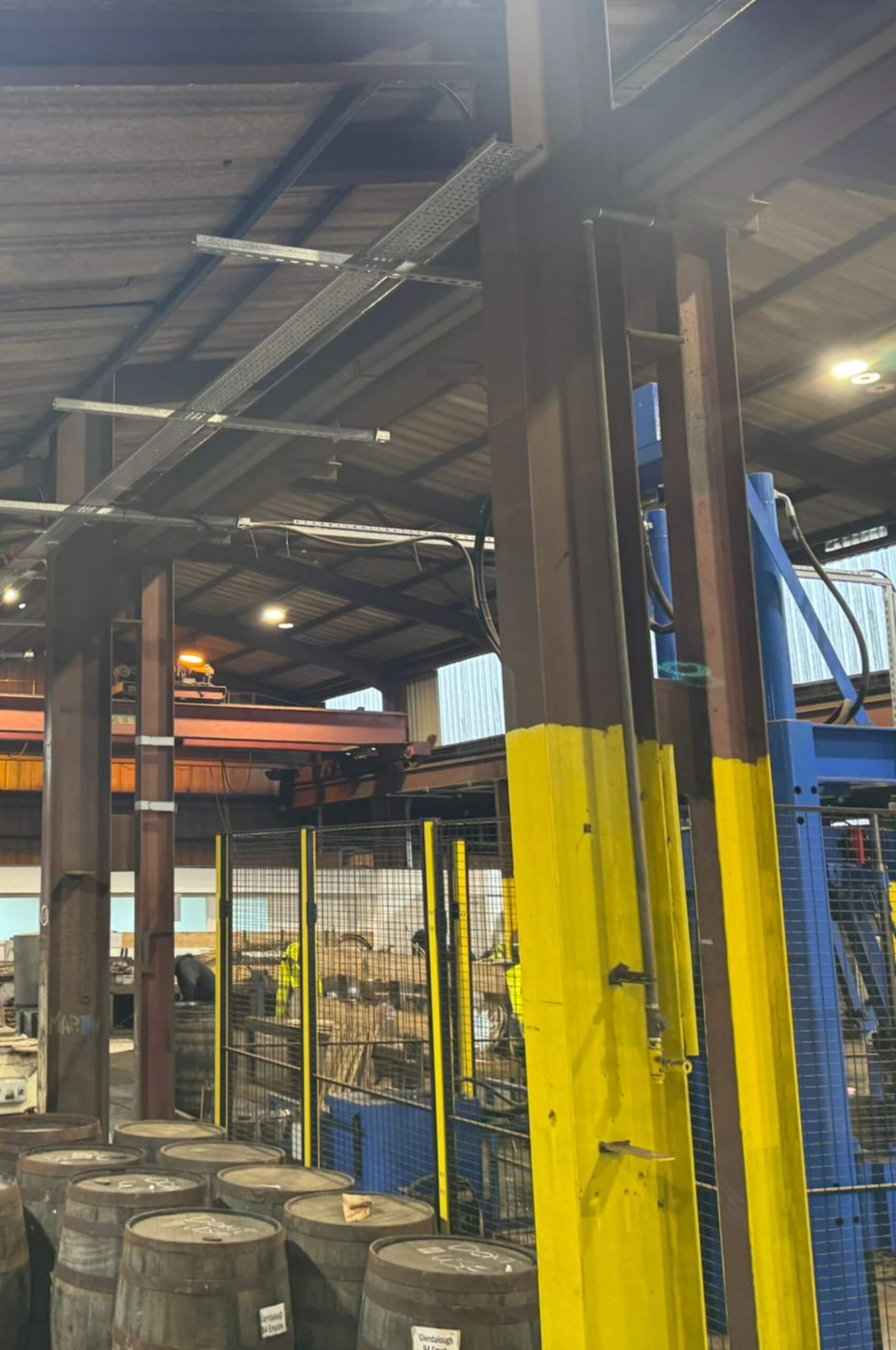
Defined scope. Relevant competence. Traceable close-out.
Recognised credentials for your contractor checks




View current accreditations and certificates. CompEx competence belongs to individuals, so the personnel assigned should also match the accepted hazardous-area task.
Start with the hazardous-area requirement you have
Find the right CompEx electrical service
Different hazardous-area tasks need different competence, information and outputs. Choose the route closest to the work required, or tell us what has prompted the project so we can help define the electrical scope.
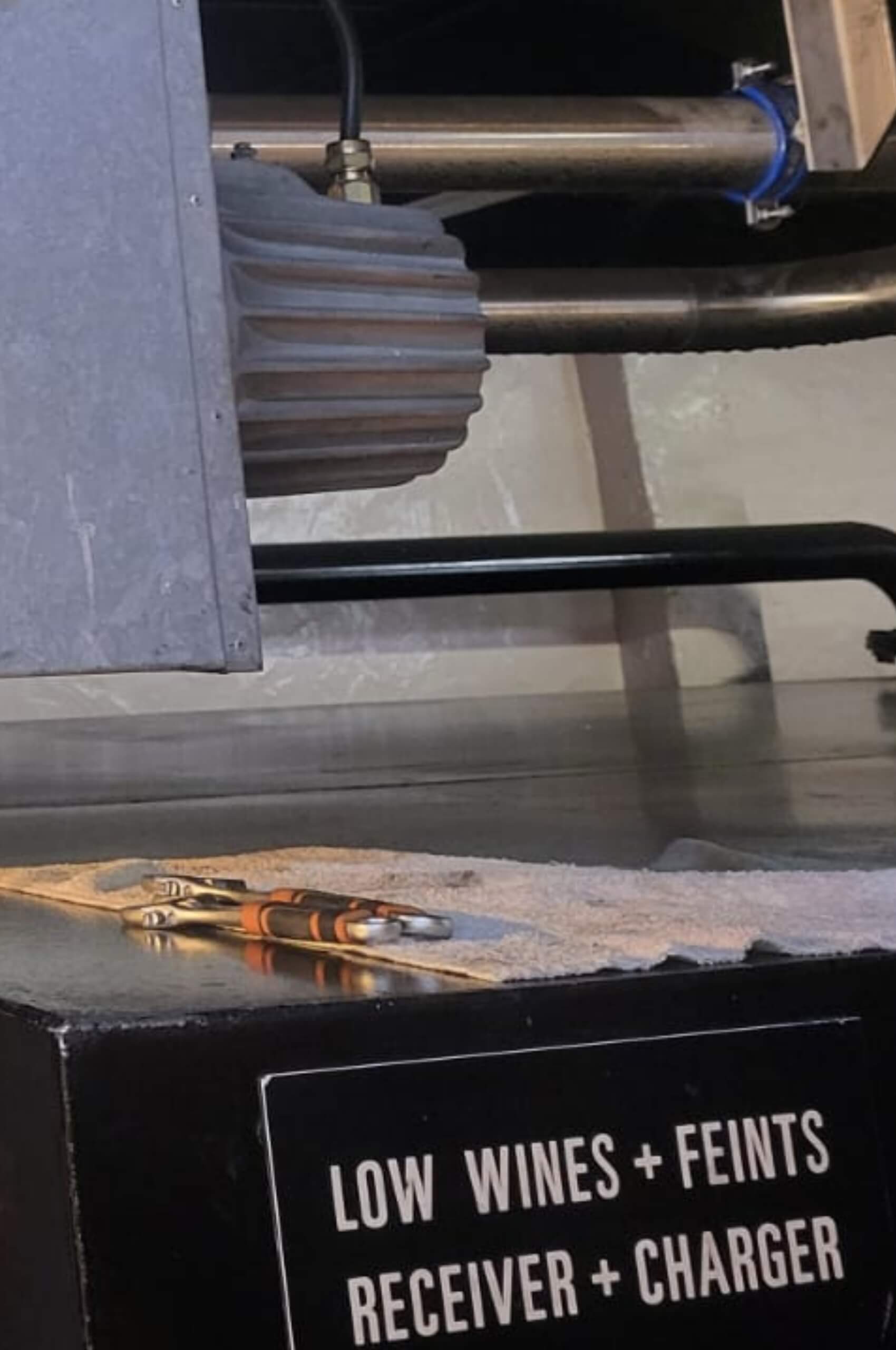
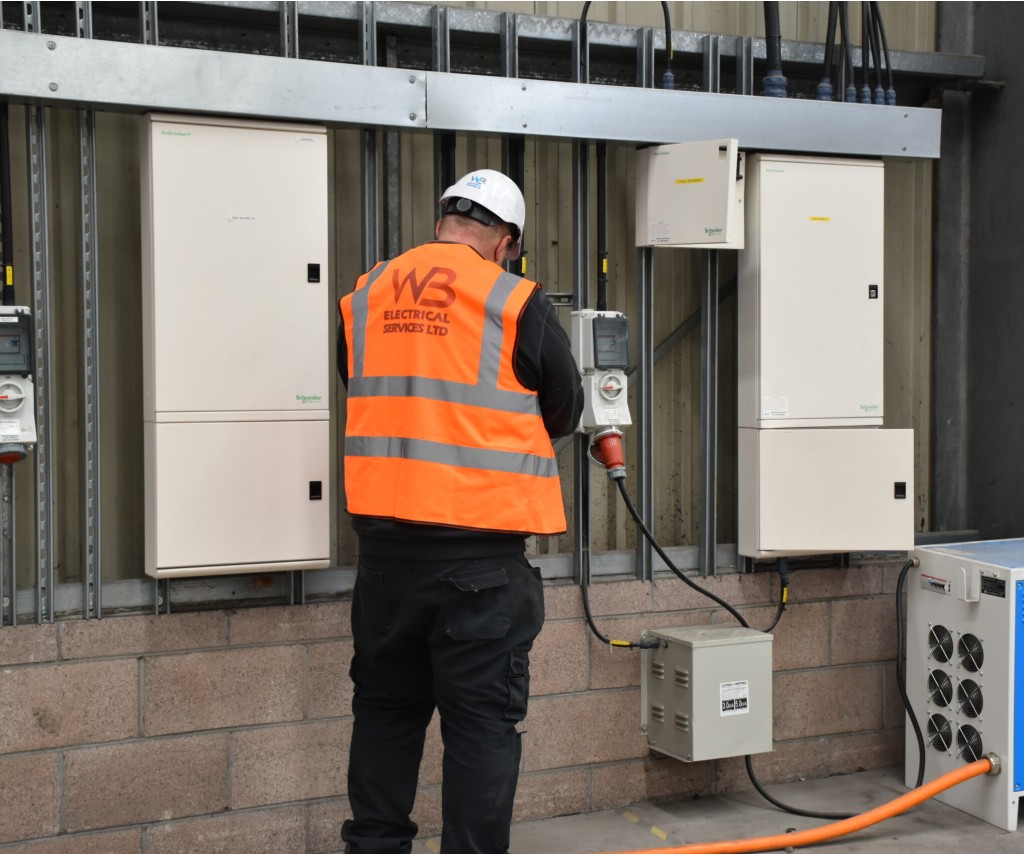
Hazardous Area Installations
New circuits, alterations, containment, lighting, power and control interfaces within accepted gas or vapour hazardous areas.
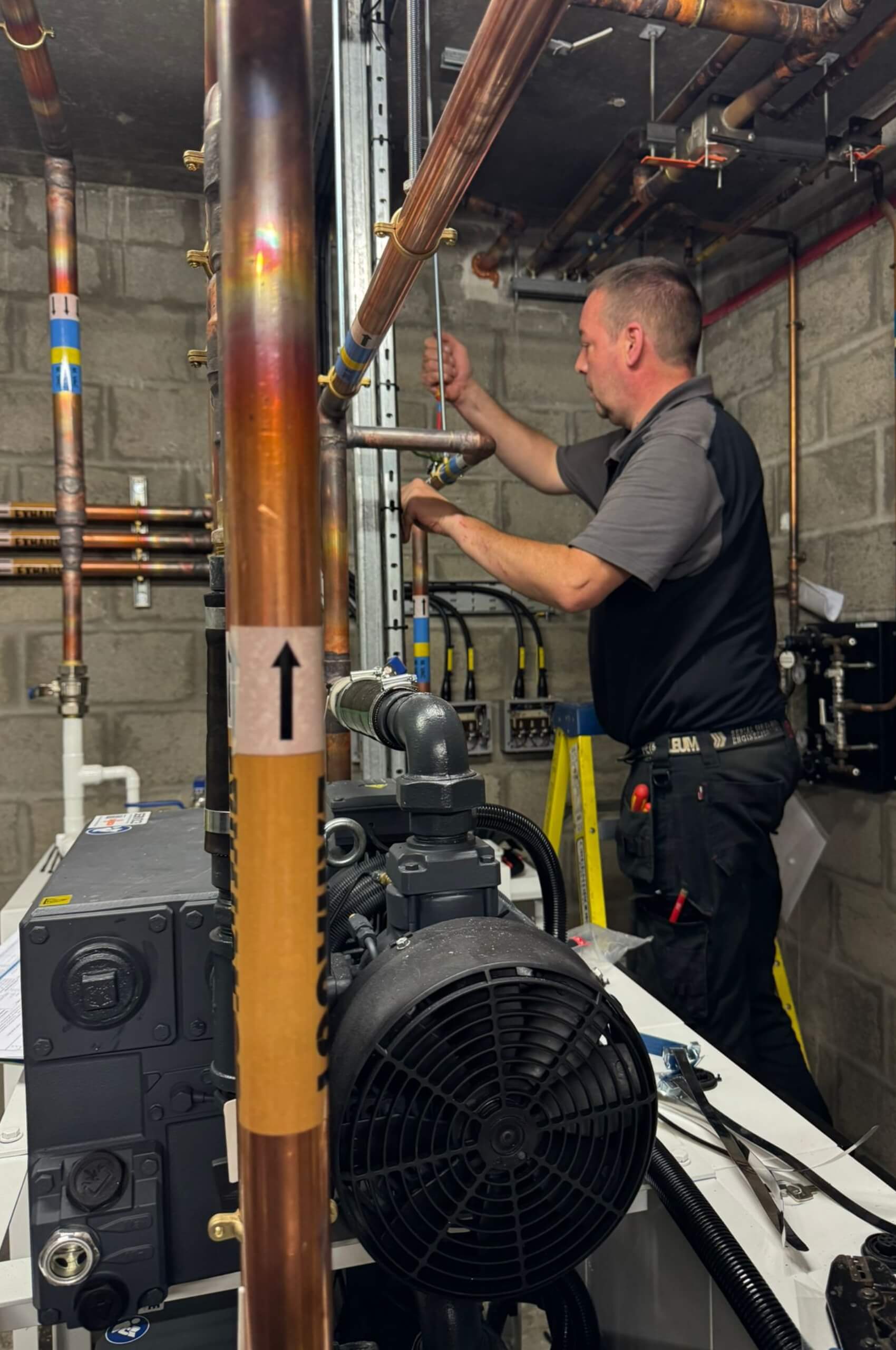
Hazardous Area Inspection & Testing
Visual, close and detailed Ex inspection work for existing assets, with asset-referenced findings and clear next actions.
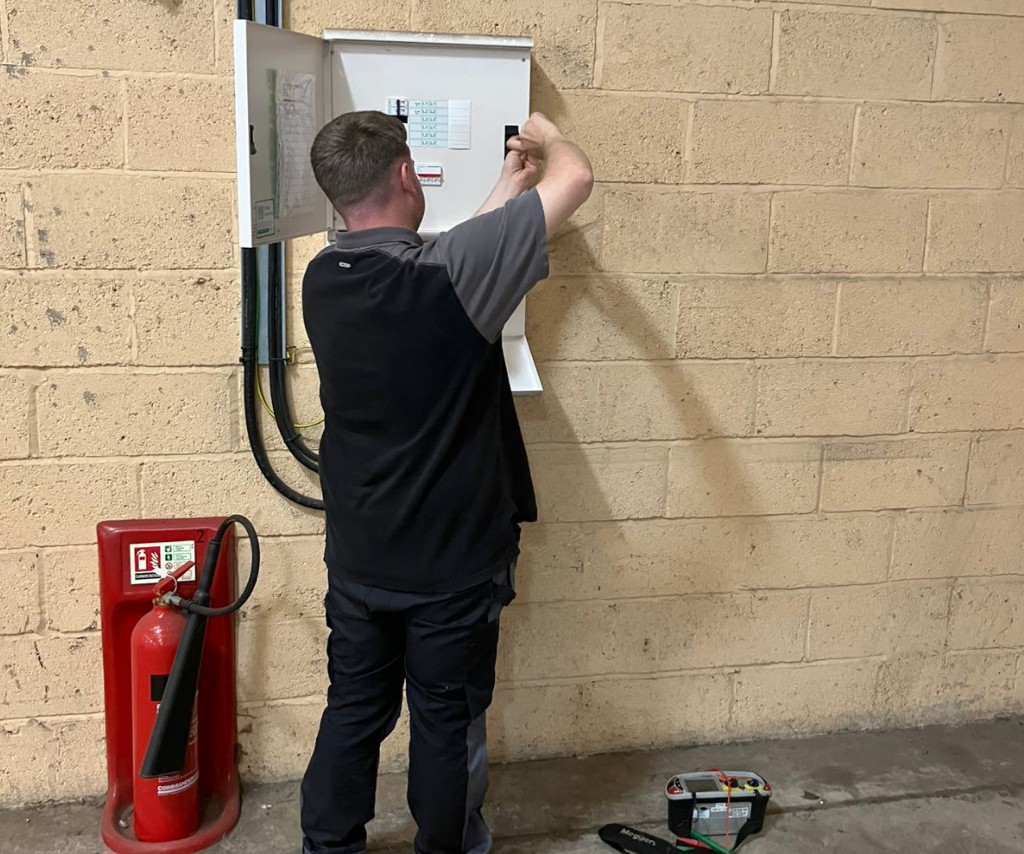
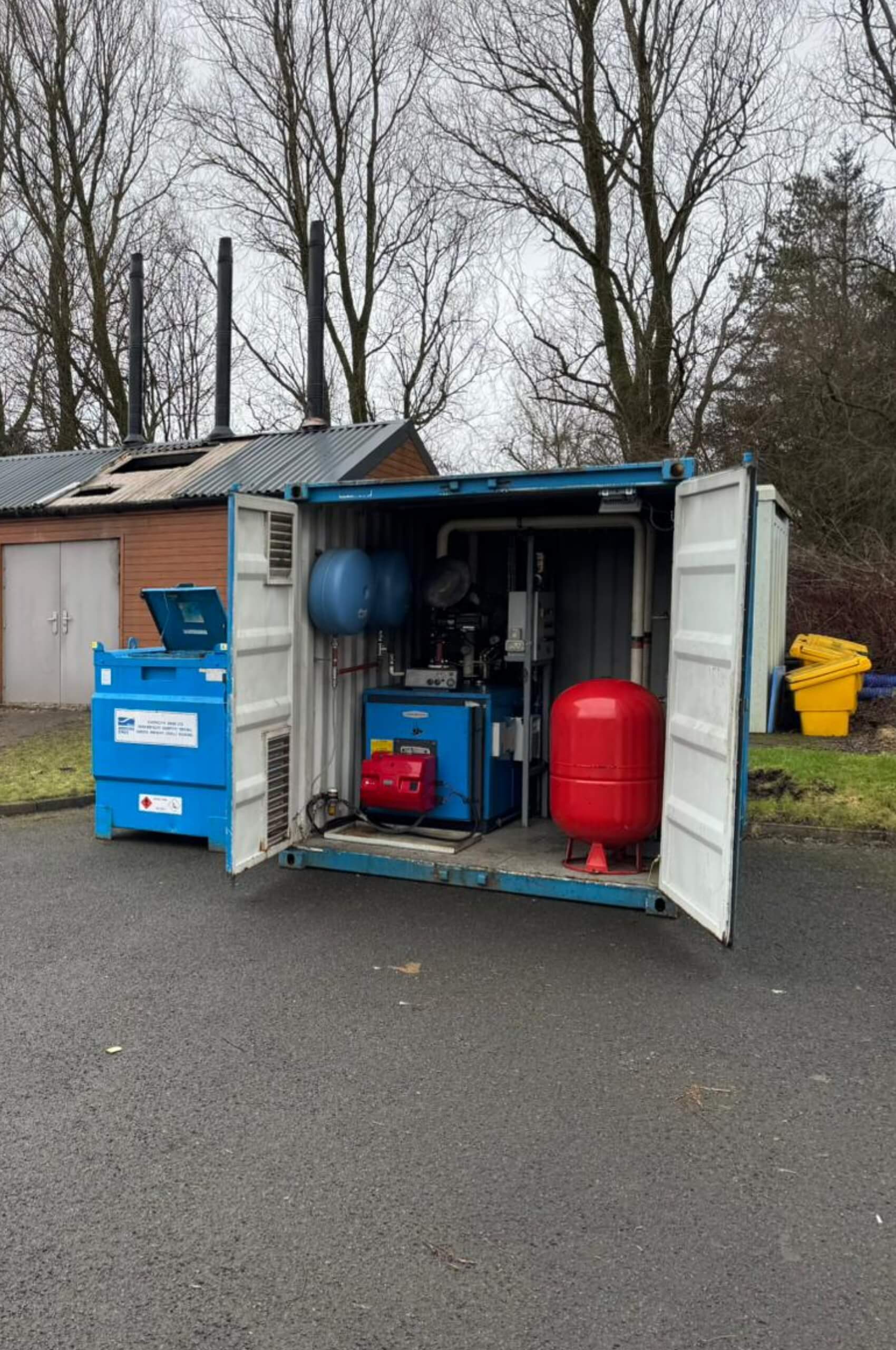
Planned & Reactive Maintenance
Planned Ex maintenance, inspection-led remedials and controlled fault support for agreed gas and vapour hazardous areas.
Ex Equipment Installation & Replacement
Installation or replacement of defined Ex equipment and accessories, checked against the accepted location and project information.
Electrical Planning & Design Support
Contractor-led constructability, routing, equipment-interface and delivery planning coordinated with the parties responsible for classification and formal design duties.

Electrical Documentation & Reporting
Inspection records, equipment references, defect close-out and electrical handover evidence organised for future inspection and maintenance.
From an Ex inspection finding to the work that follows
Already have an Ex inspection report or defect list?
Send the inspection report, affected asset references and the hazardous-area information you already hold. WB can review whether the next electrical step is further inspection, remedial maintenance, equipment replacement or a wider installation scope.
Explore planned & reactive hazardous-area maintenance for the defect close-out and maintenance route.
Start with the Ex report you already have.
Mention the site, affected assets, report and programme in your enquiry. The office will confirm how to share documents.
One controlled route from information to handback
Plan the Ex Work. Keep the Outcome Traceable.
A useful hazardous-area scope connects the actual task, accepted site information, operating controls and the records your team needs afterwards.
01
Confirm the task and site information
Define the location, equipment, problem or proposed change. Review the current classification information, DSEAR inputs, existing Ex records and any specialist interfaces that affect the electrical scope.
02
Agree responsibilities and working controls
Confirm what WB will deliver, what information or responsibility sits with the client or another specialist, and how permits, access, isolation, shutdowns and concurrent work will be controlled.
03
Deliver, record and hand back
Complete the accepted electrical work, record the agreed outputs and make exclusions, changed conditions and any follow-on actions clear to the nominated site contact.

What the electrical close-out should make clear
- The site, area, assets and accepted electrical scope.
- What was installed, inspected, maintained or outside scope.
- Equipment references, findings, changes and any remaining limitations.
- Defect close-out, open actions and any recommended follow-on work.
- The inspection, certificate, equipment or handover records agreed for the work.
For repeat or multi-site work, use consistent references while keeping each location’s classification information, equipment and outstanding actions distinct.
WB can explain the electrical records within its agreed scope. Those records do not replace the employer’s DSEAR duties, formal hazardous-area classification or another party’s specialist responsibilities.
A zone label is only one project input. Confirm the dangerous substance, current hazardous-area information, equipment details and site controls before work starts. Missing or conflicting information should be resolved rather than assumed.
Established experience around specialist industrial operations
Long-Term Electrical Support for North British Distillery
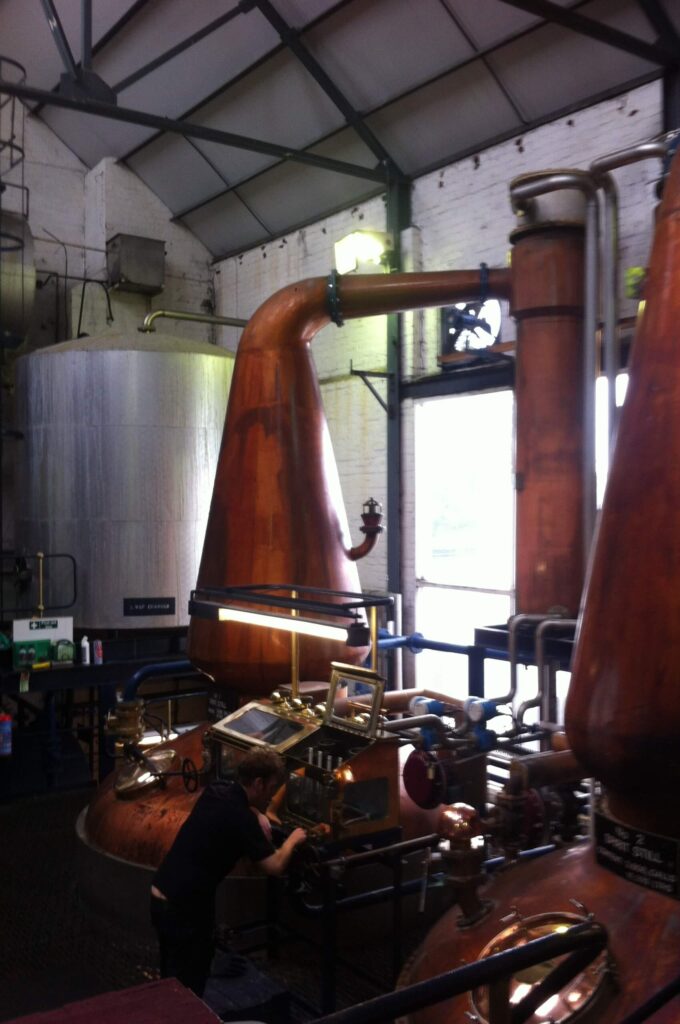
Project context: an operational distillery and warehousing relationship.
A relationship maintained since 2016
WB’s published North British Distillery case describes a continuing electrical relationship across operational distilling and warehousing environments, including planned works, reactive support, testing and infrastructure activity.
The case demonstrates experience coordinating electrical work around live industrial operations, planned work, maintenance priorities and changing site requirements. It does not imply that every task undertaken for the client was hazardous-area work.
Supplier assurance for specialist work
Tell us about required competence, insurance, RAMS, permits and supplier documentation. Company accreditations support contractor checks, while the assigned person’s CompEx competence must still match the actual hazardous-area task.
The CompEx service stays clear. The operating environment changes.
Hazardous-Area Support by Sector
Distilleries & Breweries
Production, warehousing, shutdowns and permit controls around identified gas and vapour hazardous areas.

Fuel Storage & Distribution
Transfer, storage and dispensing environments where vehicle movements, classification and controlled handback matter.

Manufacturing & Processing Plants
Changing machinery, process skids, OEM interfaces, shutdowns and traceable Ex electrical changes.

Waste & Recycling Facilities
Gas and vapour hazardous-area support where relevant, coordinated around heavy machinery, isolation and difficult maintenance conditions.
For pharmaceutical and life-sciences environments, explore our CompEx support for pharmaceutical and life-sciences sites. Other identified gas or vapour hazardous-area environments can be discussed through the main enquiry route.
Clear answers before you appoint
CompEx and Hazardous Area Electrical Questions
Choosing the right CompEx route
What does WB Electrical’s current CompEx scope cover?
The present marketed offer covers defined electrical installation, inspection, maintenance, Ex equipment and connected support in gas and vapour hazardous areas. Each enquiry is reviewed against the location, equipment, task and competence required before acceptance.
Which service should I start with?
Start with the immediate problem. New work belongs under Hazardous Area Installations, existing-condition questions under Inspection & Testing, ongoing upkeep or defects under Planned & Reactive Maintenance, and a defined equipment change under Ex Equipment Installation & Replacement. Connected scopes can be combined.
Can WB Electrical work in combustible-dust hazardous areas?
Dust-specific hazardous-area work is not part of the present marketed gas and vapour scope. The site details can still be reviewed so the dangerous substance and competence requirement are identified correctly.
Why do you use ATEX, DSEAR, Ex and CompEx on the same website?
They describe different parts of the problem. Buyers commonly use ATEX and Ex when discussing explosive-atmosphere equipment and work, DSEAR sets employer duties in Great Britain, and CompEx validates individual competence for defined hazardous-area activities.
Responsibilities and competence
Is CompEx a company accreditation?
No. CompEx validates the competence of individuals for defined hazardous-area activities. The people assigned need the relevant modules, occupational competence and suitability for the actual task.
Do you provide a full DSEAR assessment or hazardous-area classification?
Not as part of the standard electrical contracting scope. The employer or appointed competent specialist remains responsible for the relevant DSEAR arrangements and formal classification. WB normally works to current issued information and coordinates with those parties where needed.
Can you install equipment described as explosion proof?
That phrase is often used loosely. WB reviews the actual Ex marking, intended location, substance, equipment duty, protection concept, accessories and project information rather than relying on the description alone.
Planning, records and follow-up
What should we send with a hazardous-area enquiry?
Send what you already have: site and exact location, dangerous substance, zone or classification information, Ex register or equipment details, previous findings, photographs, programme and any permit, isolation or shutdown constraints.
Can the work be planned around shutdowns and permit systems?
Yes, where the accepted scope and site arrangements allow it. Permits, authorised contacts, access, isolation and shutdown windows are agreed for the actual project. Reactive or out-of-hours attendance is not assumed unless separately agreed.
What records can WB provide at handover?
Depending on scope, records may include inspection sheets, defect logs, equipment or asset references, photographs, electrical certification, as-installed notes and remedial close-out. Required client formats should be identified before work starts.
One requirement, an existing report or a wider hazardous-area project
Tell Us What the Hazardous-Area Project Needs
Start with the information you have. WB can identify the details needed to review fit, define the electrical scope and plan a practical next step.
Useful details for the first review
- Site location and exact work area.
- Gas, vapour or dangerous substance involved.
- Zone drawing or classification information if available.
- Equipment details, Ex register or previous inspection findings.
- Programme, permits, access, isolation and shutdown constraints.
Missing information can be discussed. Mention available reports, drawings or registers; the office will confirm how to share them.

Start a CompEx project enquiry
We will review whether the requirement fits the present gas and vapour CompEx scope, identify important missing information and confirm the most useful next step. Connected installation, inspection, maintenance or documentation needs can be coordinated as one electrical requirement.
For general electrical work outside an identified hazardous area, return to the electrical services directory.