
For defined gas and vapour Ex equipment work
Ex Equipment Installation & Replacement in Scotland
CompEx-supported installation and replacement of suitably selected Ex electrical equipment for identified gas and vapour hazardous areas. WB Electrical reviews the issued classification, equipment information and accepted task before completing the work with controlled access and traceable handover.
Based in Larkhall, we support suitable industrial and process sites across Scotland. Current marketed hazardous-area competence is gas and vapour, with each equipment task reviewed before acceptance.
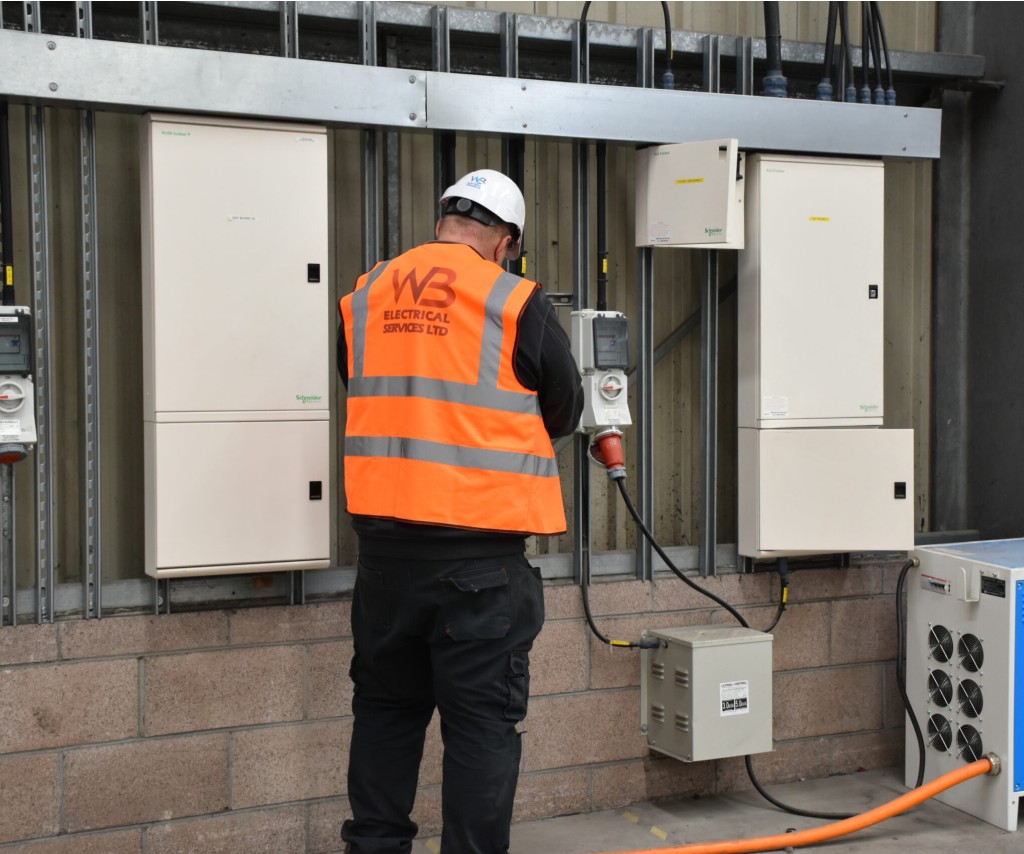
Suitable equipment. Controlled installation. Traceable change record.
A specific asset, package or replacement requirement
When Ex equipment installation or replacement is the right route
Use this page when a specific item or package of Ex electrical equipment needs installing or replacing in an already identified gas or vapour hazardous area. Wider new circuits, containment and general hazardous-area alterations remain with the Hazardous Area Installations service.

New Ex equipment is being installed
A project has defined equipment that must be installed within an identified gas or vapour hazardous area, with the location, equipment duty and electrical interface understood.

Existing Ex equipment needs replacing
An existing enclosure, isolator, junction box, light, control item or other Ex electrical asset is damaged, obsolete, unsuitable or has been identified for replacement following inspection or engineering review.

A proposed replacement needs checking before installation
The proposed replacement is described as like-for-like, ATEX, flameproof or explosion proof, but its actual marking, certification, protection concept, accessories and intended use still need to be checked against the site information before installation.
Equipment, accessories and installation interfaces
What WB can install and replace in gas and vapour hazardous areas
The equipment and accessories have to suit the identified location and the accepted electrical scope. Typical work can include the following where the site information is suitable, the equipment documentation is available and the task fits the relevant competence.

Enclosures, isolators and junction boxes
Installation or replacement of suitably selected Ex enclosures, local isolators, junction boxes and associated electrical accessories for the defined gas or vapour hazardous area.

Glands, entries, seals and terminations
Cable entries, glands, stopping or sealing arrangements and terminations included with the accepted equipment task, using the specified accessories and manufacturer information for the installation.

Lighting, power, motors and control equipment
Installation or replacement of suitable Ex lighting, power, motor, instrumentation and control equipment where the equipment duty, electrical interface and project responsibilities are clearly defined.
“Explosion proof” is useful search and procurement shorthand, but it is not one universal equipment type. Flameproof Ex d is one protection concept among several. WB works from the actual Ex marking, certification and manufacturer information, plus the site classification and equipment duty, rather than relying on a broad product label. BS EN IEC 60079-14:2024 is the current UK standard covering design, selection and installation of Ex equipment, including required initial inspection. Formal hazardous-area classification and the employer’s wider DSEAR risk assessment remain separate responsibilities.
Marking, certification, permits and working windows
Plan the equipment change around the classified location and the operation
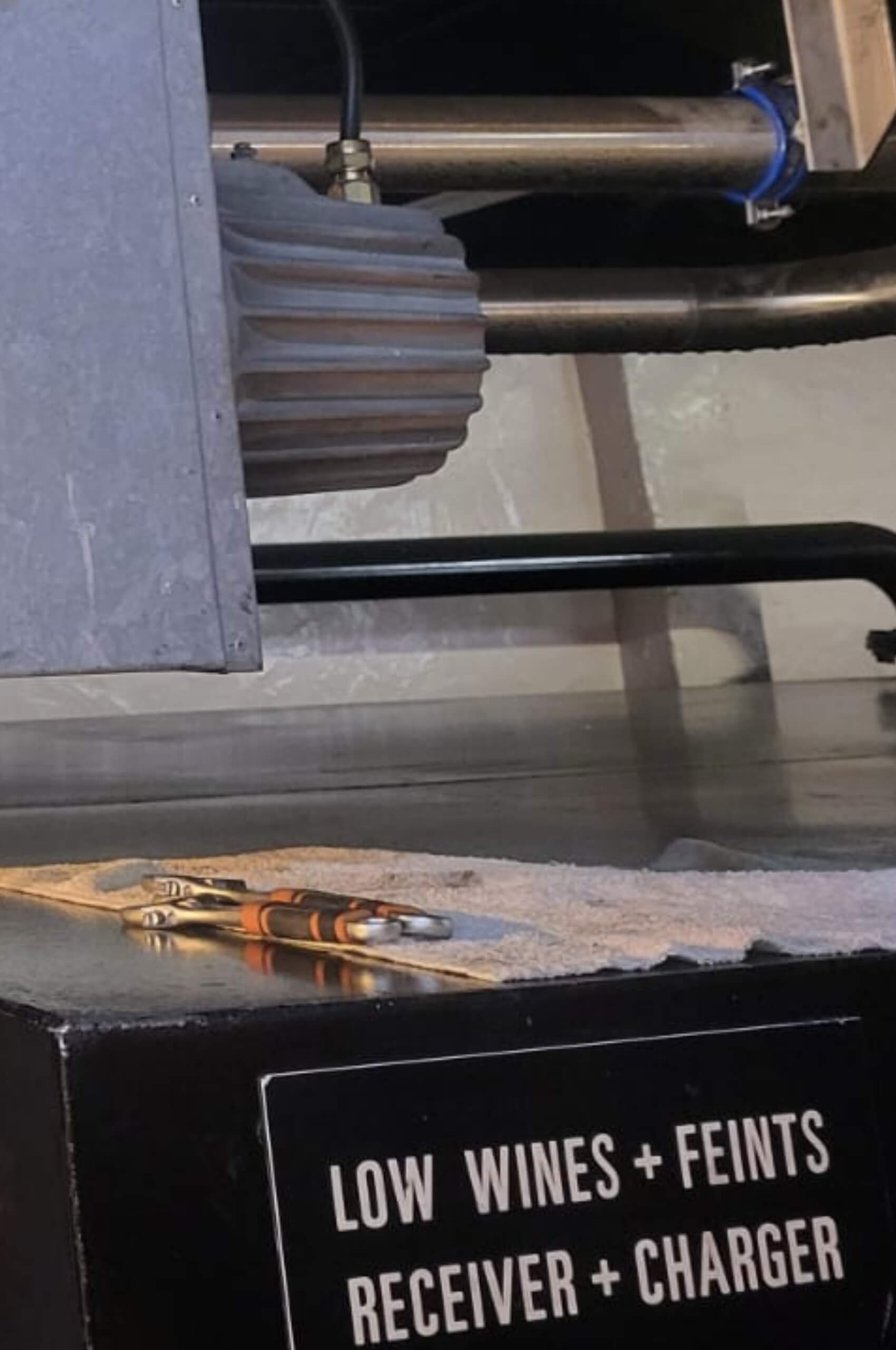
Ex equipment work needs the right product information as well as a controlled site plan. Reviewing the available classification, equipment documents and installation interface early helps expose a mismatch before labour, accessories or shutdown arrangements are committed.
01
Review the location and equipment information
Confirm the work location, current hazardous-area drawing or classification, relevant gas or vapour information, equipment tag or duty, proposed equipment details and the available marking, certificate, declaration and manufacturer instructions as applicable.
02
Confirm the installation interface and safe work plan
Review the electrical connection, cable entry and accessory requirements, mounting or containment interface, permits, authorised contacts, safe isolation, access equipment, production activity and any shutdown window.
03
Install, check and record the change
Install or replace the accepted equipment, complete the checks and initial inspection included in the scope, identify exclusions or separate findings and issue the agreed equipment and close-out records.
A familiar model number or “like-for-like” description is not enough on its own. Equipment revisions, certification, accessories, special conditions and installation instructions can differ, so the actual replacement information should be reviewed before work is committed.
Need to replace or install Ex equipment around a live process, permit system or shutdown? Discuss your Ex equipment requirement with WB.
A clear equipment change record
Handover that supports inspection, maintenance and the site Ex file

Close-out for the installed or replaced equipment
- Equipment or asset reference, location and the agreed description of the change.
- Installed equipment identification and relevant marking or certification information captured in the agreed handover.
- Applicable electrical inspection, test or commissioning records for the work completed.
- Updated labels, as-installed notes, drawing mark-ups or Ex register information where these form part of the agreed scope, plus clear outstanding actions.
Agree the handover format before work begins, especially where the client maintains an Ex register, asset schedule, verification dossier or project-specific close-out pack.
What the equipment handover does not replace
The close-out for one equipment task does not replace the employer’s DSEAR arrangements, a formal hazardous-area classification, the wider site Ex register or the ongoing Ex inspection and maintenance programme.
If the requirement is primarily about the condition of existing equipment, use Hazardous Area Inspection and Testing. For continuing support after installation or replacement, see Planned and Reactive Hazardous Area Maintenance.
The handover should make the equipment installed or replaced, the relevant references, exclusions and any separate follow-on requirements clear enough for the next inspection, maintenance or project task.
Project evidence from a working distillery
Experience of electrical work around controlled industrial operations
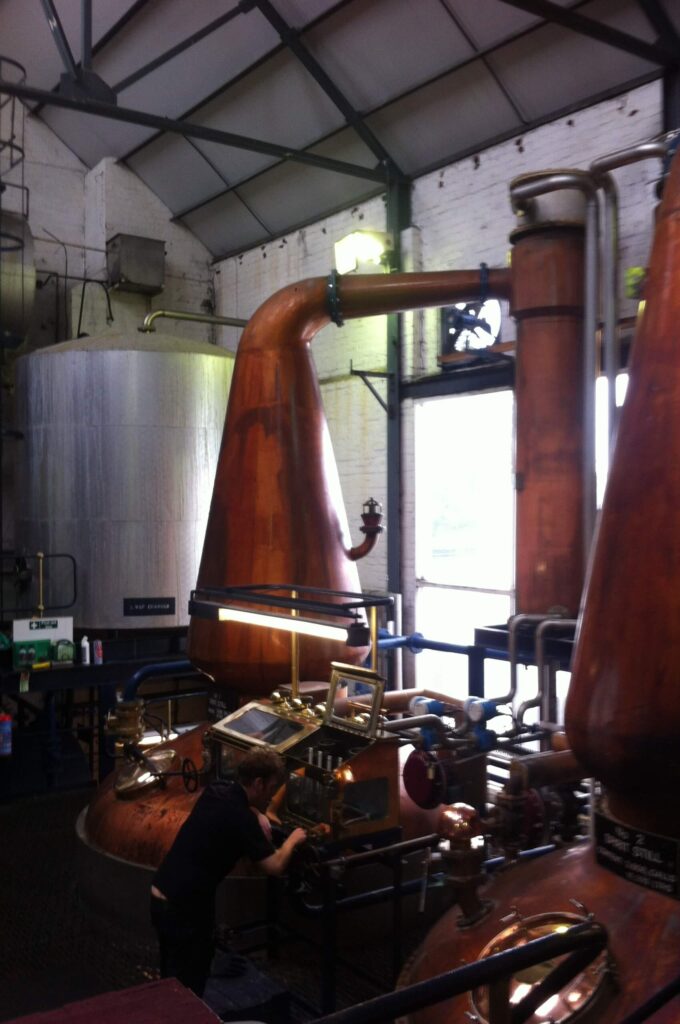
North British Distillery
WB Electrical has supported North British Distillery since 2016 across planned upgrades, reactive fault finding, testing and infrastructure work at the Edinburgh distillery and associated warehousing sites.
Where an equipment task interfaces with an identified gas or vapour hazardous area, the work is planned against the client’s current hazardous-area information, equipment requirements, permits and controls. Equipment installation or replacement still has to fit real production, access and shutdown constraints.
Competence and supplier assurance
CompEx validates individual competence for defined hazardous-area work; it is not a blanket company or site compliance certificate. WB allocates engineers with relevant competence to the accepted equipment task and can provide applicable competence and accreditation evidence during supplier review or quotation.
Terminology, equipment fit and current capability
Ex equipment installation and replacement questions
Is “explosion proof” the same as Ex rated or flameproof equipment?
Not exactly. “Explosion proof” is often used as a broad search or procurement term. Ex equipment can use different protection concepts, and flameproof Ex d is one specific concept. What matters is the actual equipment marking, certification, intended location and installation information for the task.
Can WB install or replace Ex equipment in Zone 1 and Zone 2 gas or vapour areas?
Yes, defined equipment installation and replacement can be considered in identified gas and vapour Zone 1 and Zone 2 locations where the task fits WB’s current competence. The classification, gas or vapour information, equipment documentation, electrical interface and site controls must be reviewed before quotation and acceptance.
Can you replace existing Ex equipment like-for-like?
A like-for-like replacement can be considered, but the description should not be accepted on appearance or model name alone. The actual replacement equipment, marking, certification, accessories, manufacturer information and intended location need to be checked against the accepted task.
What product information should be available before Ex equipment is installed?
Useful inputs include the equipment identification and datasheet, Ex marking, relevant certificate or conformity documentation, manufacturer instructions, the current hazardous-area classification and the intended electrical duty. In Great Britain, current government guidance recognises both CE and UKCA routes for equipment placed on the market, depending on the conformity route used.
Do you currently install or replace Ex equipment for combustible-dust hazardous areas?
Not as part of the present marketed scope. WB’s current offer is gas and vapour hazardous-area work. Dust-specific equipment work should only be added after the relevant training, certification and delivery arrangements have been completed and verified.
Use the route closest to the immediate need
Related CompEx and hazardous-area services
Need wider circuits or hazardous-area alterations?
Use the broader Hazardous Area Installations route for new circuits, containment, additions and alterations that go beyond a specific equipment installation or replacement.
Existing Ex equipment needs inspection?
Visual, close or detailed Ex inspection support for existing gas and vapour equipment, with asset-referenced findings and defined reporting.
Need ongoing hazardous-area maintenance?
Planned Ex maintenance, fault investigation and controlled remedial support where the client, response route, permits and isolations are agreed.
For the wider service family, return to CompEx & Hazardous Area Electrical Services. Documentation-led requirements can use Documentation and Compliance Reporting.
Equipment details make the first review more useful
Request an Ex equipment installation or replacement quotation
Tell us which item needs installing or replacing, where it sits and which hazardous-area and equipment information is already available. We will review whether the task fits WB’s present gas and vapour competence and identify what needs clarifying before pricing.
Information that helps us quote
- Site, building and exact work location.
- Current zone drawing or hazardous-area classification, if available.
- Gas or vapour involved, existing asset or equipment tag, and relevant project information already issued.
- Proposed new equipment details or datasheet, whether equipment is client-supplied or still to be sourced, and the reason for the installation or replacement.
- Cable, gland, termination or mounting interfaces where known, plus permit, access, isolation, programme, shutdown and handover requirements.
Mention available drawings, zone information, Ex register entries, equipment certificates or inspection findings in the enquiry. The office will confirm how to share them.
What affects an Ex equipment installation quotation?
Equipment type and availability, certification and manufacturer information, glands and accessories, cable or mounting interfaces, access, permits, isolation arrangements, shutdown windows, removal arrangements and the required initial inspection or handover records all affect the quotation.
Where the hazardous-area information, product documentation or installation interface is incomplete, a site survey or technical review may be needed before a firm scope can be priced.
If the main requirement is hazardous-area documentation or Ex register close-out rather than equipment work, use the Documentation and Compliance Reporting route.