
For dutyholders, engineering and maintenance teams
Hazardous Area Planned & Reactive Electrical Maintenance in Scotland
Planned Ex maintenance, defect close-out and controlled reactive electrical support for identified gas and vapour hazardous areas. WB Electrical helps keep agreed equipment serviceable, records clear and disruption planned around the operation.
Based in Larkhall, we support suitable industrial and process sites across Scotland. Current marketed hazardous-area competence is gas and vapour, with each maintenance or fault task reviewed before acceptance.
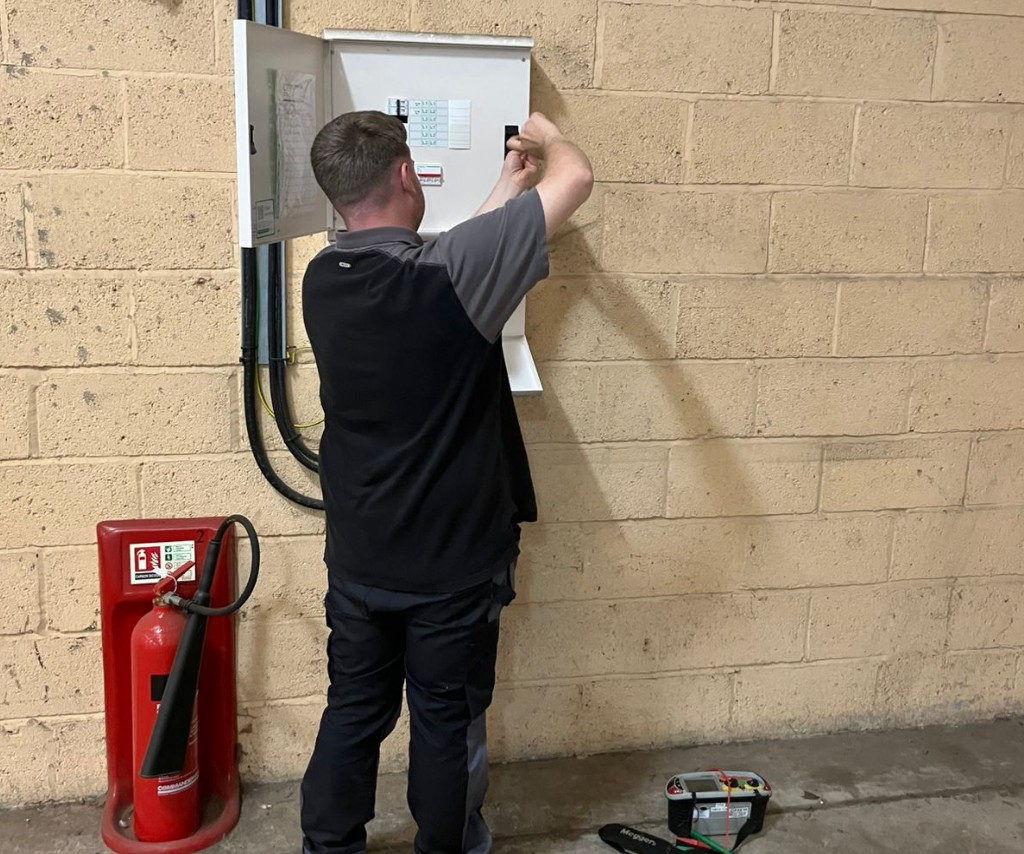
Planned support. Controlled response. Traceable close-out.
Keep Ex equipment serviceable and deal with faults in a controlled way
When hazardous-area maintenance is the right route
Use this route when existing electrical Ex equipment needs planned upkeep, corrective work or fault support in an identified gas or vapour hazardous area. Formal inspection programmes, new installations and specialist equipment repair remain separate where appropriate.

Build a planned maintenance routine
Create a repeat maintenance routine around known equipment, previous findings, environmental exposure and the site operating plan, rather than waiting for deterioration to become an urgent fault.

Close out inspection findings
An Ex inspection has identified defects or recommendations that now need agreed corrective work, parts, replacement equipment or records to be closed out.

A fault needs controlled response
A failure, damage or unexplained electrical issue needs a controlled response. The site information, permits, isolation route and competence required still have to be clear before work starts.
Planned visits, fault support and corrective work within a defined scope
What planned and reactive Ex maintenance can cover
Maintenance should preserve the integrity of the existing installation, not simply restore function. The agreed task is shaped by the equipment, protection concept, hazardous-area information, manufacturer instructions, previous findings and what can be safely accessed or isolated.
Planned Ex maintenance
Scheduled maintenance can address agreed servicing, condition-led corrective work, accessible connections, glands, entries, fixings, labels and other maintainable items where the exact task and equipment information are clear.
Reactive fault investigation
Reactive support starts with fault information and safe site control. WB can investigate agreed electrical faults and define the repair, replacement or follow-on work without assuming that every breakdown can be attended under an unspecified emergency SLA.

Defect close-out and agreed corrective work
Inspection findings can be converted into a prioritised maintenance scope. Straightforward corrective work and replacement can be completed where equipment suitability is established; wider installation changes or specialist repair work are routed separately.
BS EN IEC 60079-17:2024 covers inspection and maintenance of electrical installations in explosive atmospheres. Where a task becomes repair, overhaul or reclamation of Ex equipment itself, BS EN IEC 60079-19:2025 may require an appropriate service-facility route. The exact boundary should be confirmed for the asset and work proposed.
Asset information, response route, permits and operating windows
Plan maintenance around the classified area and the operating site
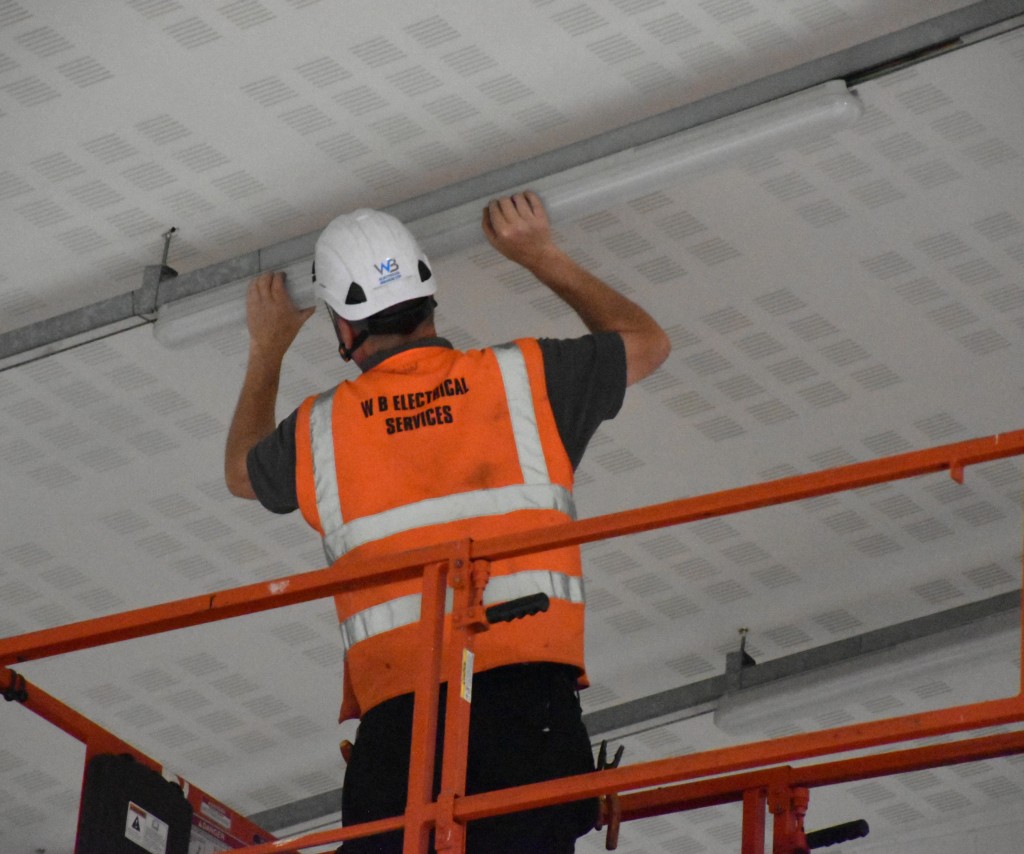
A useful maintenance visit starts with enough information to understand the equipment and the site controls. For reactive work, the same discipline matters even when the timetable is tighter.
01
Confirm the asset, fault and hazardous-area information
Confirm the work area, current hazardous-area drawing or classification, gas or vapour information, equipment tag or certificate details, previous inspection or defect record, and what has changed or failed.
02
Agree the response route, access and isolation
Agree whether the task is a planned visit or controlled reactive response, who the authorised site contact is, and how permits, access, safe isolation, shutdown windows and any production constraints will be managed.
03
Complete the agreed work and update the record
Complete the agreed maintenance or fault work, inspect and test the completed electrical scope as applicable, update relevant labels or records where included, and identify anything that still needs specialist repair, replacement or separate investigation.
Reactive support should not be treated as an automatic 24/7 attendance promise. Where a client needs an ongoing response arrangement, the contact route, coverage, site access, permits and expected response basis should be agreed before it is relied upon.
Need to establish a planned maintenance route or discuss a current Ex electrical fault? Discuss hazardous-area maintenance with WB.
Make the work understandable for the next visit
Clear close-out for faults, remedials and repeat visits

What maintenance close-out should show
- Asset or equipment references and the work location covered by the agreed task.
- The maintenance, fault finding or corrective work completed, including parts or equipment changed where relevant.
- Checks, electrical tests, labels or record updates included in the agreed close-out.
- Outstanding defects, specialist repair needs, monitoring points or separate follow-on actions.
Agree the required close-out before work starts, particularly where the client maintains an Ex register, defect schedule, CMMS, insurer file or site-specific maintenance record.
What this service does not replace
Maintenance close-out does not replace the employer’s DSEAR risk assessment or hazardous-area classification, nor the formal periodic inspection regime. It also does not imply that WB operates a specialist Ex equipment repair facility for every repair or overhaul task.
If the main need is a formal periodic or targeted Ex inspection, use Hazardous Area Inspection & Testing. If equipment must be replaced or a wider alteration is required, use the appropriate installation route.
The client should be able to see what was worked on, what changed, what was checked, what remains outstanding and what needs to happen next.
Long-term electrical support on a working industrial estate
Experience supporting live industrial sites over time
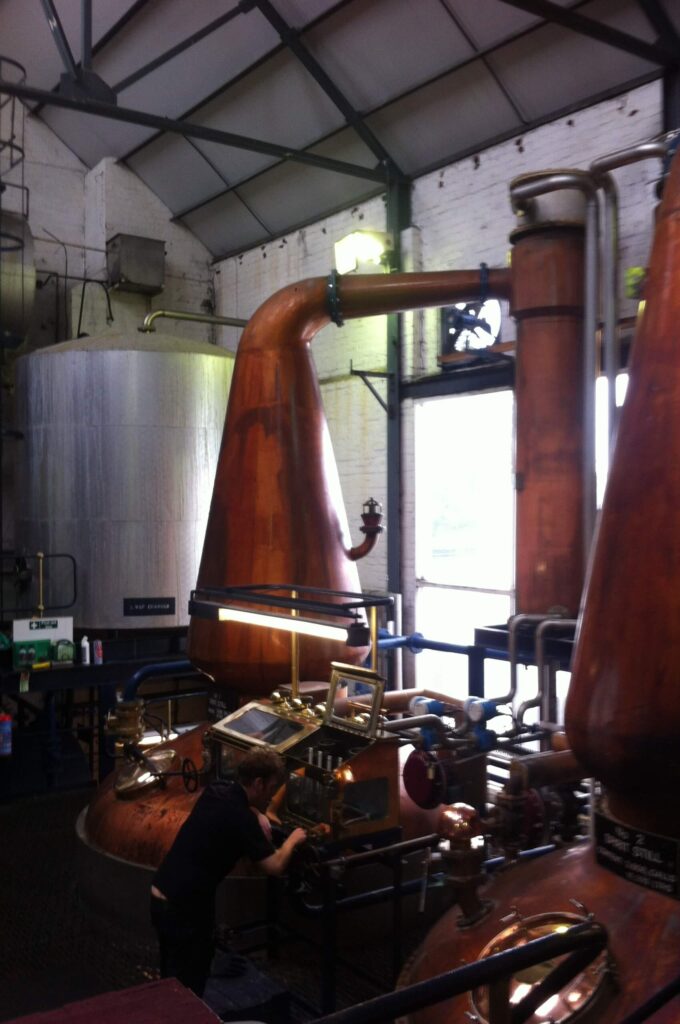
North British Distillery
WB Electrical has supported North British Distillery since 2016 across planned upgrades, reactive fault finding, testing and electrical infrastructure work at the Edinburgh distillery and associated warehousing sites.
Where work interfaces with identified gas or vapour hazardous areas, each task is planned against the client’s current hazardous-area information, equipment requirements, permits and operational controls. The case study demonstrates continuing planned and reactive electrical support without implying that every task is Ex maintenance.
Competence and supplier assurance
CompEx validates individual competence for defined hazardous-area work; it is not a blanket company or site compliance certificate. WB allocates personnel with relevant gas and vapour competence to the accepted maintenance task and can provide current competence and accreditation evidence where required.
Scope, response and maintenance boundaries
Hazardous area maintenance questions
Do Ex electrical installations need planned maintenance?
Yes. HSE states that equipment used in explosive atmospheres should be regularly inspected and maintained so it does not present an increased ignition risk, and that maintenance should be carried out by competent people. The actual maintenance programme depends on the equipment, environment, records and site risk controls.
What is the difference between inspection and maintenance?
Inspection establishes condition and identifies defects or deterioration. Maintenance preserves or restores serviceable condition through agreed servicing, corrective work or replacement. The two should connect, but a maintenance visit does not automatically replace the site’s formal Ex inspection programme.
Can WB provide reactive hazardous-area support?
Yes, for suitable gas and vapour tasks where the scope and site controls can be accepted. Reactive support is agreed around the client, asset, permits, access and isolation arrangements. Do not assume a guaranteed emergency response time or 24/7 cover unless that has been explicitly contracted.
Can you repair or replace faulty Ex equipment?
WB can complete suitable on-site maintenance and replacement where the equipment, protection concept and required parts are clear. Repair, overhaul or reclamation that affects Ex equipment itself may need an appropriate specialist service facility under BS EN IEC 60079-19:2025, so the correct route is confirmed before work proceeds.
Do you currently maintain combustible-dust hazardous areas?
Not as part of the present marketed scope. WB’s current hazardous-area maintenance offer is gas and vapour. Dust-specific maintenance should only be added after the relevant training, certification and delivery arrangements have been completed and verified.
Use the route closest to the immediate need
Related CompEx and hazardous-area services
Need formal Ex inspection?
Formal ongoing or targeted inspection of existing Ex electrical equipment, with defined inspection grades, traceable findings and clear next actions.

Need new installation or alteration work?
New circuits, containment, equipment and controlled alterations in identified gas and vapour hazardous areas, including the installation route and required initial inspection.

Specific Ex equipment needs replacing?
A focused route for installing or replacing appropriately selected Ex enclosures, isolators, junction boxes, glands, lighting and connected equipment.
For the wider service family, return to CompEx & Hazardous Area Electrical Services. Documentation-led requirements can use Documentation and Compliance Reporting.
A useful first maintenance enquiry
Request a hazardous-area maintenance quotation
Tell us whether the requirement is planned maintenance, defect close-out or a current fault, which assets or areas are affected and what hazardous-area information is already available. We will review whether the task fits WB’s present gas and vapour competence and what needs clarifying before pricing or attendance is agreed.
Information that helps us quote
- Site, building, work area and nominated technical or maintenance contact.
- Current zone drawing or hazardous-area classification, if available, and the gas or vapour involved.
- Equipment tags, certificates or schedules, plus relevant inspection findings, fault symptoms and previous maintenance records.
- Whether the need is planned maintenance, defect close-out or reactive support, with the required timescale and any existing response arrangement.
- Permit, access, safe-isolation, shutdown, production and required CMMS or reporting constraints.
Mention available drawings, equipment tags or certificates, inspection findings, fault symptoms and previous maintenance records in the enquiry. The office will confirm the appropriate route for sharing sensitive site information.
What affects a hazardous-area maintenance quotation?
Asset quantity and type, fault complexity, parts availability, access equipment, permits, safe isolation or shutdown requirements, phasing, travel, repeat-visit requirements and the required close-out records all affect the quotation.
Where the fault, asset information or response expectation is unclear, an initial review or site visit may be needed before the maintenance scope, attendance basis or price can be confirmed.
If the main requirement is formal periodic inspection rather than maintenance, use the Hazardous Area Inspection & Testing route.