
For dutyholders, engineering and maintenance teams
Hazardous Area Electrical Inspection & Testing in Scotland
CompEx-supported inspection of existing Ex electrical equipment in identified gas and vapour hazardous areas. WB Electrical defines the asset population, inspection grade and access requirements, then provides traceable findings and practical next actions.
Based in Larkhall, we support suitable industrial and process sites across Scotland. Current marketed hazardous-area competence is gas and vapour, with each inspection scope reviewed before acceptance.
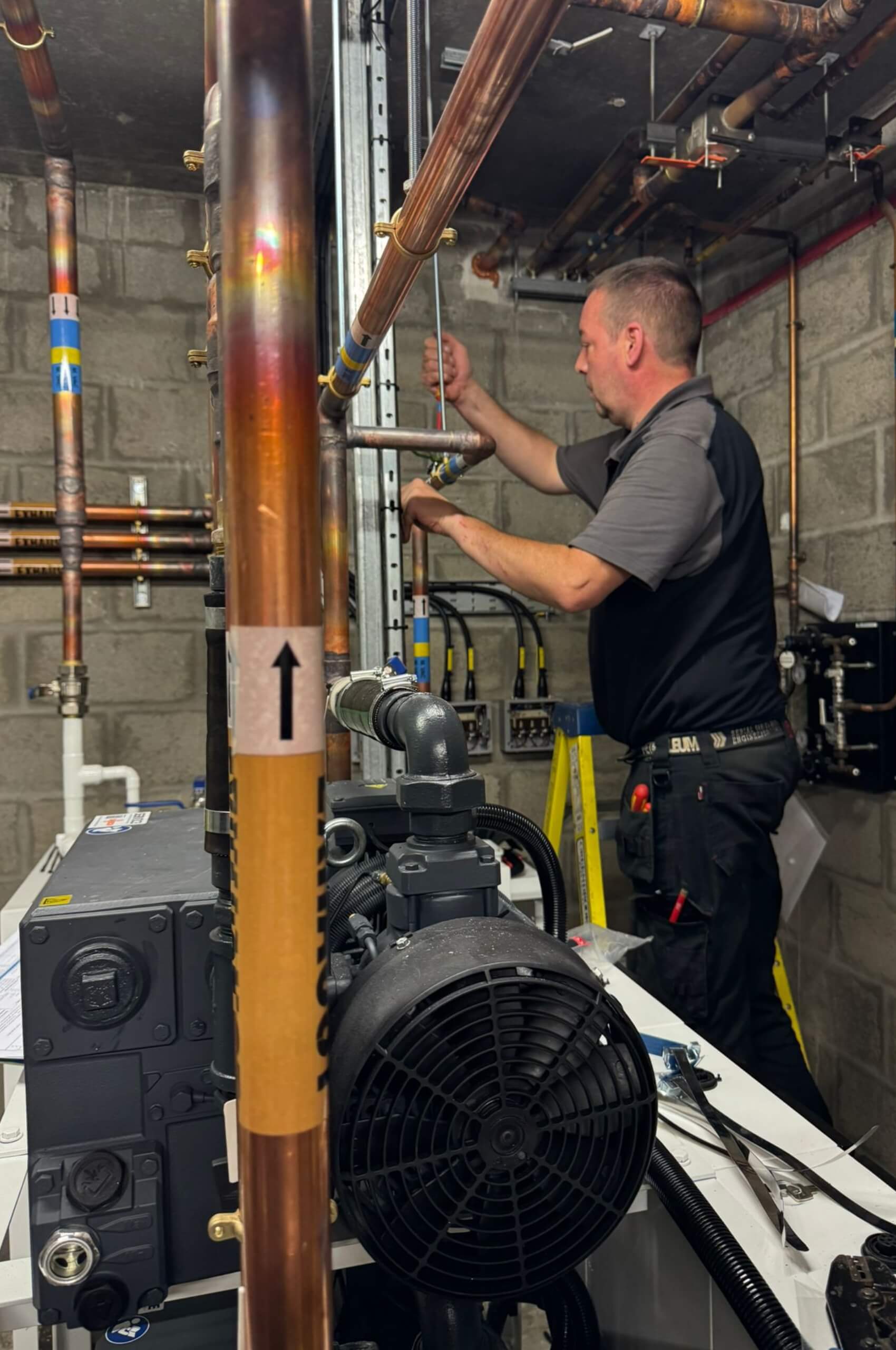
Defined assets. Appropriate inspection grade. Clear findings.
Existing Ex equipment, recurring programmes and changed conditions
When hazardous-area inspection support is the right route
When the condition or integrity of existing electrical Ex equipment needs to be checked in an identified gas or vapour hazardous area. WB’s present marketed inspection scope is gas and vapour; dust-specific inspection work is not yet included.

A periodic Ex inspection is due
You need a planned inspection of an existing asset population to support the site’s ongoing Ex integrity, maintenance and dutyholder records.

Equipment or the installation has changed
Alterations, replacement equipment, remedial work or process changes have created a need to verify affected existing assets and records, with initial inspection of new installation work routed separately.

A concern or deterioration needs checking
Damage, corrosion, vibration, water ingress, missing identification or an unexplained change has triggered a targeted inspection of specific equipment or an area.
Inspection grade matched to the asset, records and access
What hazardous-area electrical inspection can cover
The agreed inspection scope depends on the reason for the visit, equipment population, hazardous-area information, protection concepts, previous records, environment and the level of access or isolation available.
Visual inspection
Checks visible condition and obvious external defects without opening equipment, useful for broad condition reviews and identifying items that need closer attention.
Close inspection
Builds on visual inspection with accessible checks using suitable access equipment or tools, normally without opening enclosures, so defects that are not obvious by sight alone can be identified.

Detailed inspection
Goes further where the agreed scope requires equipment to be opened or test equipment used. This needs more planning around permits, isolation, access and the asset information available.
BS EN IEC 60079-17:2024 covers ongoing inspection and maintenance of hazardous-area electrical installations. Initial inspection of new or altered installation work is part of the installation route under BS EN IEC 60079-14:2024. The exact inspection grade, population and reporting requirement should be agreed for the site rather than assumed from the zone label alone.
Asset information, inspection grade, permits and access
Plan the inspection around the Ex register and the operating site
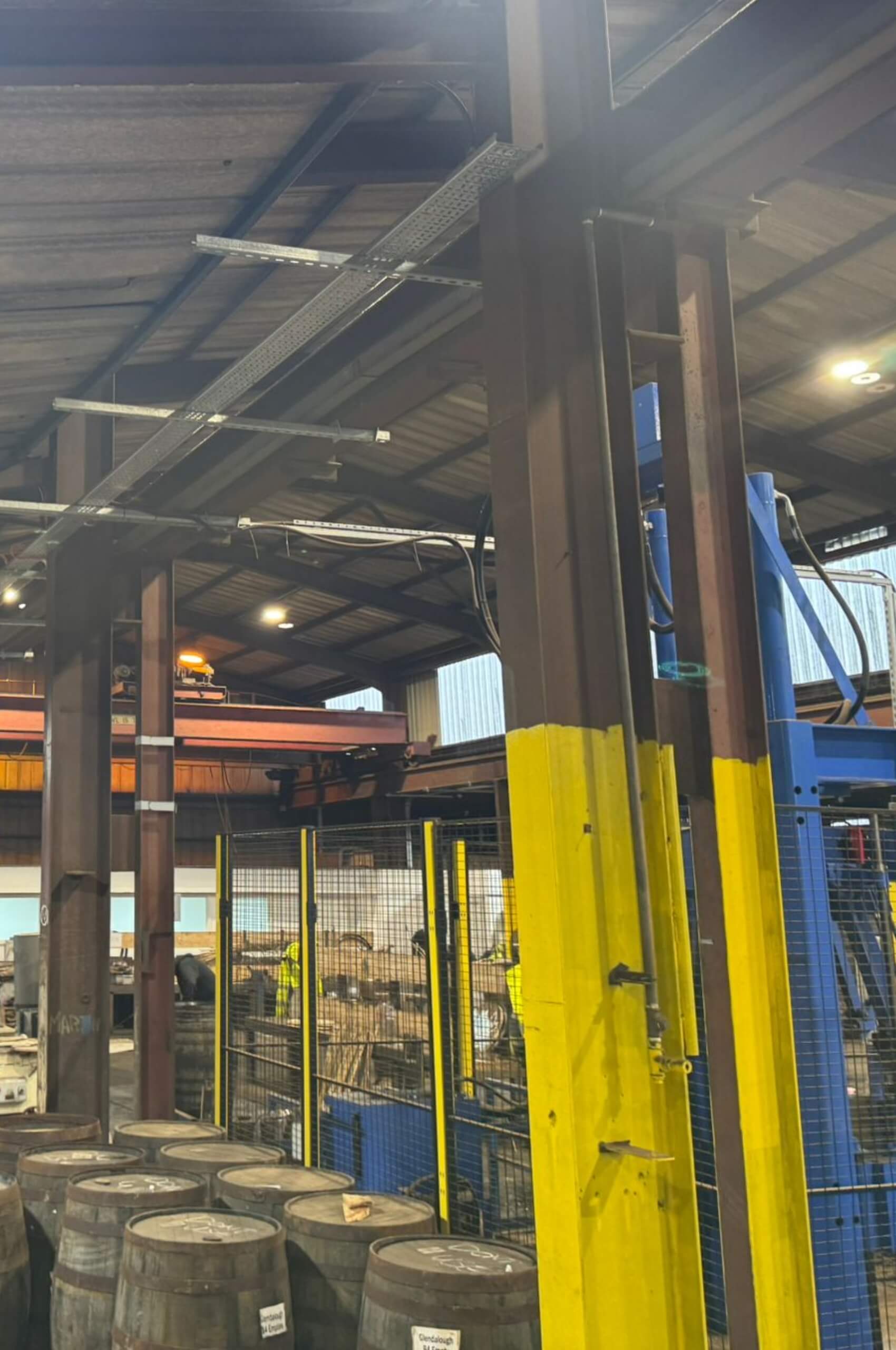
A useful inspection programme starts before the first asset is checked. Reviewing the available records, equipment population and site controls helps WB define a workable scope and avoids leaving important access or reporting questions until the visit.
01
Review the available Ex information and asset population
Confirm the work area, current hazardous-area drawing or classification, gas or vapour information, Ex register or equipment list, previous inspection records and the reason the inspection is required.
02
Agree the inspection grade, access and isolation
Define which assets are in scope, whether visual, close or detailed inspection is expected, and how permits, authorised contacts, access equipment, safe isolation and shutdown windows will be handled.
03
Inspect, record and agree the next actions
Complete the agreed inspection, reference findings to the relevant assets where practicable, identify items not inspected or requiring further work, and return a clear record for the client’s next decision.
Ongoing inspection and initial inspection are connected but different. Ongoing Ex inspection is governed by BS EN IEC 60079-17:2024, while the required initial inspection of new installation work sits with BS EN IEC 60079-14:2024. If the requirement follows a new installation or alteration, we can route the enquiry to the appropriate installation and inspection scope.
Need to coordinate inspection with production, permits or a shutdown window? Discuss your hazardous-area inspection with WB.
Traceable findings, exclusions and next actions
A report that helps the dutyholder decide what happens next

What the agreed inspection record can show
- Equipment or asset references included in the agreed inspection scope.
- Inspection grade and the areas or equipment actually inspected.
- Recorded observations, photographs or defect references where included in the reporting format.
- Items not inspected, access limitations, further investigation needs and recommended follow-on actions.
Agree the required reporting format before the visit, especially where the client maintains an Ex register, asset schedule, insurer file or project-specific template.
What the inspection report does not replace
An inspection record does not replace the employer’s DSEAR risk assessment or hazardous-area classification, nor does it automatically repair defects, certify specialist equipment repair or take ownership of the client’s complete Ex verification dossier.
If findings need corrective work, use Planned and Reactive Hazardous Area Maintenance. For record consolidation or close-out support, see Documentation and Compliance Reporting.
The report should make the inspected scope, findings, limitations and next actions clear enough for maintenance, remedials and the next inspection decision.
Project evidence from a working distillery
Experience of electrical work around controlled industrial operations
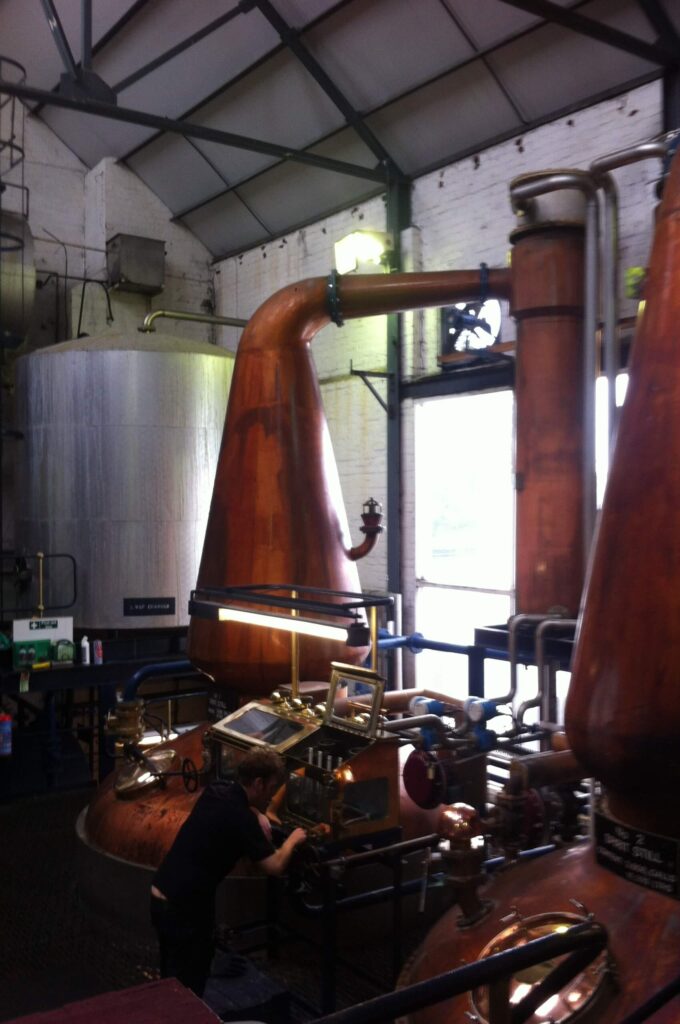
North British Distillery
WB Electrical has supported North British Distillery since 2016 across planned upgrades, reactive fault finding, testing and infrastructure work at the Edinburgh distillery and associated warehousing sites.
Where electrical work interfaces with identified gas or vapour hazardous areas, the scope is planned against the client’s current hazardous-area information, permits, equipment records and operational controls. Inspection work still has to fit real production, access, isolation and reporting requirements.
Competence and supplier assurance
CompEx validates individual competence for defined hazardous-area work; it is not a blanket company or site compliance certificate. WB allocates personnel with relevant gas and vapour inspection competence to the accepted task and can provide competence and accreditation evidence during supplier review or quotation.
Standards, scope and practical planning
Hazardous area inspection and testing questions
Do hazardous-area electrical installations need regular inspection?
HSE guidance states that equipment used in explosive atmospheres should be regularly inspected and maintained, with maintenance undertaken by competent people. The site’s actual inspection regime should be based on the relevant hazardous-area information, equipment, environment and competent technical judgement.
Which standard applies to Ex inspection and testing?
BS EN IEC 60079-17:2024 is the current UK standard for ongoing electrical installation inspection and maintenance in explosive atmospheres. BS EN IEC 60079-14:2024 covers design, selection, installation and the required initial inspection of new installation work.
What is the difference between visual, close and detailed inspection?
They are different inspection grades. Visual inspection is limited to defects apparent by sight. Close inspection goes further with access equipment or tools without normally opening enclosures. Detailed inspection can require opening equipment and using tools or test equipment, so access and isolation planning become more important.
What information should we provide before an Ex inspection?
Send the site and work area, current zone or classification information, the gas or vapour involved, Ex register or asset list if available, previous inspection records, the reason for the inspection, any required report format, and permit, access or shutdown constraints.
Do you currently inspect combustible-dust hazardous areas?
Not as part of the present marketed scope. WB’s current hazardous-area inspection offer is gas and vapour. Dust-specific inspection should only be added after the relevant training, certification and delivery arrangements have been completed and verified.
Use the route closest to the immediate need
Related CompEx and hazardous-area services
Need new installation or alteration work?
New circuits, containment, equipment and controlled alterations in identified gas and vapour hazardous areas, including the installation route and required initial inspection.

Findings need remedial or ongoing maintenance?
Planned Ex maintenance, fault investigation and controlled remedial support where the client, response route, permits and isolations are agreed.

Specific Ex equipment needs replacing?
A focused route for installing or replacing appropriately selected Ex enclosures, isolators, junction boxes, glands, lighting and connected equipment.
For the wider service family, return to CompEx & Hazardous Area Electrical Services. Documentation-led requirements can use Documentation and Compliance Reporting.
A useful first enquiry
Request a hazardous-area inspection quotation
Tell us why the inspection is needed, which assets or areas are in scope and what hazardous-area information is already available. We will review whether the task fits WB’s present gas and vapour competence and identify what needs clarifying before pricing.
Information that helps us quote
- Site, building, work area and nominated technical contact.
- Current zone drawing or hazardous-area classification, if available.
- Gas or vapour involved, Ex register or asset list, equipment details and previous inspection records.
- Reason for the inspection, required grade or asset population if already defined, and any reporting deadline.
- Permit, access, isolation, shutdown and required report-format constraints.
Mention available drawings, Ex register extracts or previous reports in the enquiry. The office will confirm the appropriate route for sharing sensitive site information.
What affects a hazardous-area inspection quotation?
Asset quantity and type, inspection grade, condition of the records, access equipment, permits, isolation or shutdown requirements, phasing, travel and the reporting format all affect the quotation.
Where the asset population or site information is unclear, a preliminary record review or site visit may be needed before a firm inspection scope can be priced.
If the main requirement is new hazardous-area installation work, use the Hazardous Area Installations route.