
For gas and vapour projects before installation
Hazardous Area Electrical Planning & Design Support in Scotland
Contractor-led electrical planning and design support for identified gas and vapour hazardous areas. WB Electrical helps turn issued classification information, project requirements and site constraints into a practical electrical scope before installation.
Based in Larkhall, we support suitable industrial and process projects across Scotland. WB currently markets gas and vapour hazardous-area electrical work, with the exact role, information and competence requirements reviewed for each project.
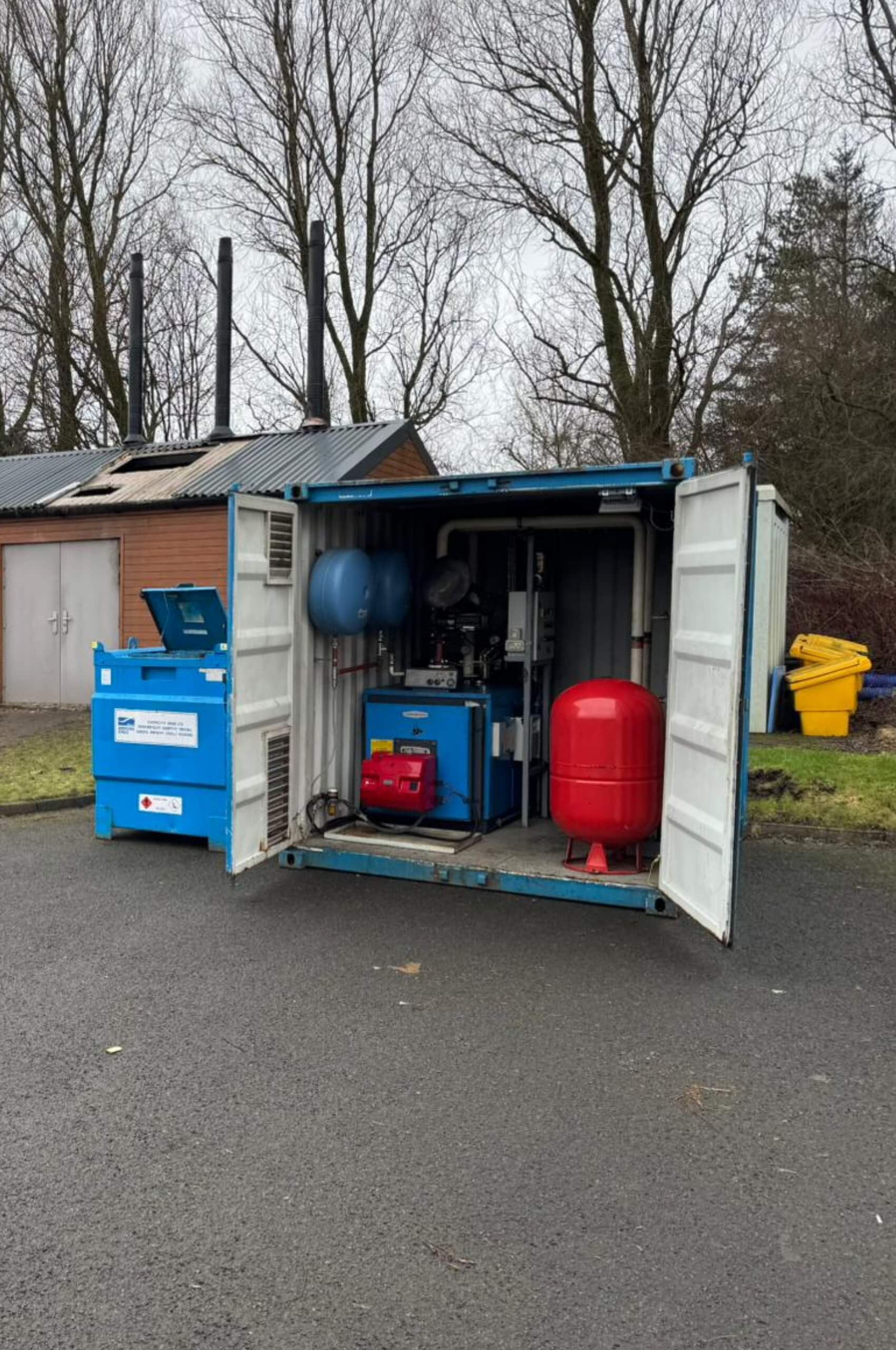
Clear inputs. Defined responsibilities. Buildable electrical scope.
Early clarity before hazardous-area electrical work is committed
When hazardous-area electrical planning support is the right route
Use this route when a project needs electrical planning, constructability input or scope development before hazardous-area installation begins. It works best where the client already has, or is arranging, the DSEAR and hazardous-area information needed to define the location.

A new project needs an electrical scope before installation
New plant, process changes or a capital project have created hazardous-area electrical requirements, but routing, interfaces, equipment responsibilities, access or installation sequencing still need to be turned into a workable delivery scope.

A process or site change affects existing Ex electrical work
A production change, relocation, upgrade or extension affects existing circuits, equipment or containment and the electrical implications need reviewing before changes are priced or installed.

Design information exists, but delivery interfaces still need resolving
The hazardous-area assessor, consultant, client engineer or equipment supplier has issued part of the design information, but the practical electrical route, installation interfaces, phasing, access and handover responsibilities still need coordination.
Contractor-led input before the installation scope is frozen
What WB can support before hazardous-area installation
The most useful early input is practical and responsibility-led. WB can help develop the electrical delivery scope around issued hazardous-area information, while formal specialist assessments and design duties remain with the appropriately competent party where they sit outside WB’s agreed role.

Site walkdowns and constructability review
Review the proposed work area, existing installation, access, operating constraints and likely electrical interfaces so practical issues are identified before procurement or installation.

Electrical scope, routing and installation interfaces
Develop the contractor-side scope for cable routes, containment, local isolation, distribution interfaces, mounting, access and work sequencing against the project information already issued.

Equipment and installation input against issued information
Review proposed electrical equipment and accessories against the issued hazardous-area information and installation requirements, and identify missing certification, manufacturer data or design decisions before the installation package is committed.
This service supports project planning; it does not automatically transfer formal hazardous-area design responsibility to WB. DSEAR places duties on the employer, including hazardous-area classification. BS EN IEC 60079-14:2024 covers electrical installation design, selection, installation and required initial inspection. CompEx has a separate Ex12 Application Design Engineer competence, so any formal Ex design responsibility must be clearly identified and agreed.
Classification, project information, responsibilities and operating constraints
Build the right information chain before site work starts
Hazardous-area electrical planning works best when the project team agrees which information is authoritative and who owns each decision. The aim is to remove ambiguity before equipment is ordered, drawings are frozen or shutdown dates are committed.
01
Collect the hazardous-area and project inputs
Gather the current DSEAR or hazardous-area classification information, drawings, process or equipment information, existing electrical records, client standards and the intended project outcome. Missing classification information should be resolved before it is used as a basis for electrical selection or installation.
02
Clarify responsibilities and electrical interfaces
Identify the dutyholder, hazardous-area assessor or design engineer, equipment supplier and installation contractor responsibilities. Then resolve distribution, routing, containment, isolation, access, permit, shutdown and commissioning interfaces for the proposed work.
03
Freeze a buildable scope and handover route
Define what WB is to price and deliver, which design information is issued for construction, what remains by others, and which inspection, testing, drawing updates, equipment records or documentation are expected at completion.
A zone label or a broad “ATEX” request is not a complete electrical design brief. Zone extent, the gas or vapour involved, equipment group and temperature requirements, manufacturer information, electrical duty and project-specific conditions can all affect the installation, so issued specialist information should be used rather than assumptions.
Need to turn hazardous-area project information into a practical electrical delivery scope? Discuss your hazardous-area project with WB.
Useful outputs before procurement and installation
A planning output that supports procurement and installation

What the planning stage should leave clear
- Site, work area and the agreed project outcome or change being planned.
- Issued DSEAR, classification, design, equipment and client-standard inputs that the electrical scope relies upon.
- Defined WB scope, interfaces, assumptions, exclusions and actions retained by the dutyholder, assessor, designer, supplier or other contractors.
- The intended route into procurement, installation, initial inspection, documentation and any separate specialist review.
Agree the expected planning outputs before work starts. Depending on the project, these may include a defined contractor scope, marked-up routes or layouts, identified equipment and interface requirements, assumptions, exclusions, coordination actions and the proposed installation and handover route.
What this support does not replace
Contractor-led planning support does not replace the employer’s DSEAR risk assessment, formal hazardous-area classification, or a formal Ex application design responsibility that has been assigned to another competent designer. Those roles should remain visible in the project information.
If the project is ready to move from planning into physical electrical work, use Hazardous Area Installations. For a defined asset or replacement package, use Ex Equipment Installation & Replacement.
The planning record should make the agreed scope, design inputs, responsibilities, unresolved actions and next delivery stage clear enough for procurement, installation and later verification.
Industrial project experience where coordination matters
Experience of electrical work around controlled industrial operations
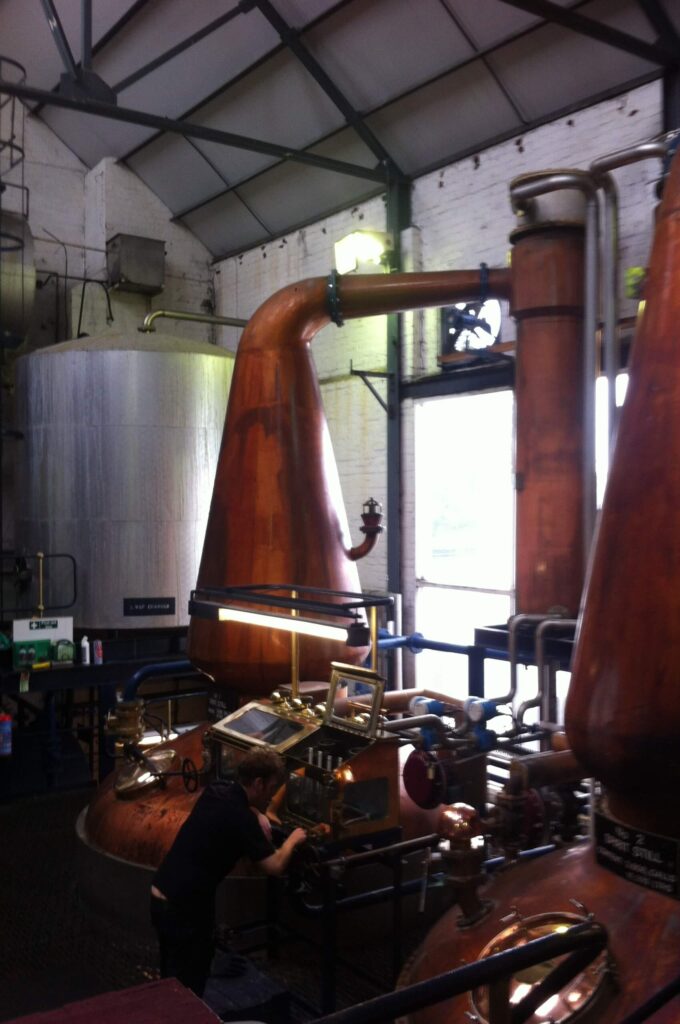
North British Distillery
WB Electrical has supported North British Distillery since 2016 across planned upgrades, reactive fault finding, testing and infrastructure work at the Edinburgh distillery and associated warehousing sites.
WB’s continuing work around operational industrial sites reinforces the practical value of early coordination around access, existing infrastructure, permits, shutdowns and other contractors. This project evidence demonstrates delivery experience, not a claim that WB produced the site’s formal hazardous-area classification or engineering design.
Competence, coordination and supplier assurance
CompEx validates individual competence for defined hazardous-area work. WB’s published capability supports defined gas and vapour installation, inspection and maintenance work. This page does not claim Ex12 design competence unless it is specifically evidenced for the person taking that responsibility. Relevant competence and accreditation evidence can be provided during supplier review.
Design responsibility, classification and project inputs
Hazardous-area planning and design support questions
Do you provide the hazardous-area classification or DSEAR risk assessment?
Not as part of this electrical planning service. DSEAR places duties on the employer to assess and control risks and classify relevant areas. WB can work from issued classification information, flag missing inputs and coordinate electrical delivery with the relevant specialist.
Is WB taking formal hazardous-area electrical design responsibility?
Not automatically. WB can provide contractor-led planning, constructability and electrical scope input against issued information. Where formal Ex application design or specification is required, that role should be assigned to a suitably competent designer before the information is relied upon for construction.
Can WB work with our DSEAR consultant, hazardous-area assessor or design engineer?
Yes. That is often the most effective route. WB can bring installation, constructability, access, electrical distribution and operational input into the project while the relevant specialist retains their agreed assessment or formal design responsibility.
What information should we have before asking for planning support?
Start with the site and work area, what is changing, the intended outcome, available DSEAR or hazardous-area classification information, drawings, process or equipment details, existing electrical information, programme and any shutdown, permit or access constraints. If information is missing, WB can identify the gap before a delivery scope is committed.
Do you currently provide this support for combustible-dust hazardous areas?
Not as part of the present marketed scope. WB’s current hazardous-area electrical offer is gas and vapour work. Dust-specific planning or design support should only be marketed after the relevant competence and delivery arrangements have been completed and verified.
Move from planning to the right delivery route
Related CompEx and hazardous-area services
Ready to move into hazardous-area installation?
Use Hazardous Area Installations for new circuits, containment, additions and alterations once the project information and responsibilities are ready for delivery.
Need a specific Ex asset installed or replaced?
Use Ex Equipment Installation & Replacement where the requirement is centred on a defined Ex electrical asset, package or replacement task.
Need existing Ex equipment inspected?
Use Inspection & Testing for visual, close or detailed Ex inspection of existing gas and vapour equipment, with asset-referenced findings and clear reporting.
For the wider service family, return to CompEx & Hazardous Area Electrical Services. Documentation-led requirements can use Documentation and Compliance Reporting.
Existing project information makes the first review more useful
Request hazardous-area electrical planning support
Tell us what is changing, where the work will happen and which hazardous-area and project information is already available. WB will review whether the requirement fits the current gas and vapour scope, where contractor-led planning support can add value and which specialist inputs or responsibilities need confirming.
Information that helps us define the planning scope
- Site, building and exact work area.
- Current DSEAR assessment, hazardous-area classification or zone drawings, if available.
- Gas or vapour involved, what is changing and the required project outcome.
- Project drawings, P&IDs, equipment schedules, supplier information, existing electrical drawings or site standards already available.
- Named assessor, consultant, designer or equipment supplier where applicable, plus programme, procurement stage, access, permit, isolation, shutdown and documentation requirements.
Mention available DSEAR information, classification drawings, project drawings, P&IDs, equipment information, site standards or existing Ex records in the enquiry. The office will confirm the practical way to share relevant documents.
What affects a planning and design-support quotation?
The completeness of the issued information, work areas, site walkdowns, drawing or schedule input, third-party interfaces, existing electrical complexity, programme, access and required outputs all affect the quotation.
Where the DSEAR, classification or formal design information needed to make an electrical decision is missing, the correct specialist input should be obtained before that decision is treated as construction information. WB can help identify and coordinate that gap.
If the main requirement is hazardous-area documentation or Ex register close-out rather than project planning, use the Documentation and Compliance Reporting route.