
For MSPs, telecoms, IoT and connectivity providers
Connectivity Installation Partner Across Scotland
Physical site delivery for network and connectivity specialists, from surveys, access and containment to cabling, equipment, antennas, power and repeatable multi-site rollouts.
WB Electrical provides field installation capability across Scotland, including Central Belt, rural, remote and island locations. Your team can retain the digital solution and client relationship while WB delivers the agreed physical work.

Your connectivity plan, delivered at the site.
Keep the physical and digital responsibilities clear
Where WB fits within a connectivity project
The strongest partnership model gives each party a defined job. WB can turn an issued connectivity solution into mounted, powered, cabled and documented site infrastructure, while the technical provider retains the network architecture and service outcome unless different responsibilities are agreed.

Your team owns the digital solution
The provider can retain design authority, hardware strategy, carrier or service selection, cybersecurity, client communication and performance acceptance.

WB owns the agreed site installation
WB can coordinate access, containment, cabling, cabinets, equipment mounting, electrical supplies, external routes, agreed tests and completion records.

Configuration can be added when needed
Switch, router, access-point or related configuration can be included by agreement where the project requires it, either through WB’s agreed resource or an appropriate network specialist. Ongoing managed-network support is not assumed.
Built for provider-led delivery
Who WB can support as an installation partner
The route is designed for organisations that own a digital, connectivity or equipment solution but need dependable physical delivery at Scottish sites.
MSPs and IT integrators
A Scottish field resource for surveys, cabling, containment, cabinets, power, mounting and completion records where the MSP retains the primary network and customer relationship.
Use this route for one difficult site, regional coverage or a repeat rollout that needs a consistent physical installation standard.

Telecoms and connectivity providers
Physical delivery for 4G, 5G, failover, satellite and remote-connectivity solutions, including external mounting, weather-resistant routes, electrical supplies and issued equipment installation.
Use this route where the provider has selected the connectivity solution but needs site-based installation capability.

IoT, automation and equipment providers
Cabling, cabinets, gateways, local supplies, mounting and site coordination for monitoring, sensors and connected equipment deployed into operational premises.
Use this route where a technology provider needs the physical interfaces installed around its own platform or equipment.
Other partnership models
Technology vendors and rollout teams can use WB for pilot sites, standard installation packs, repeat deployments, remedial work and supplementary field resource. Main contractors and M&E teams can package power and connectivity together within a wider building, plant or fit-out project.
For utilities and dispersed estates, Utilities & Remote Site Connectivity covers the operating constraints that become important across remote, controlled and island locations.
Pilot first, then scale the approved method
Build a repeatable delivery model
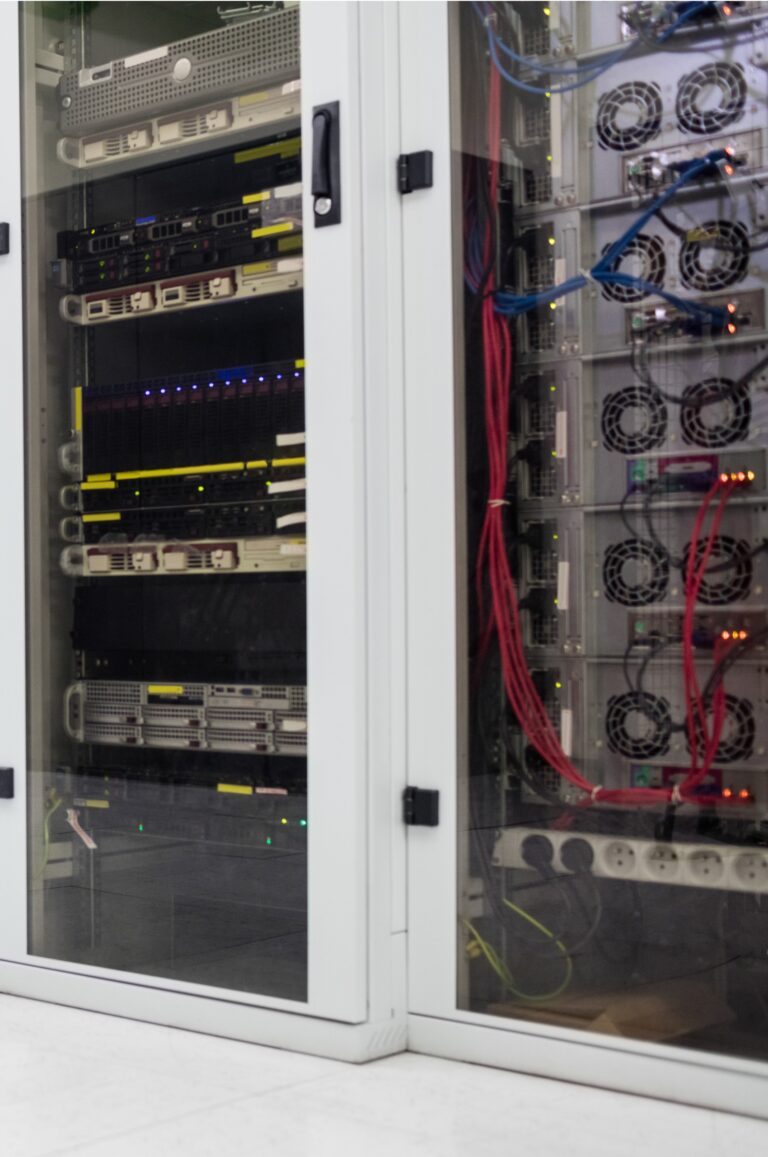
A multi-site rollout becomes easier to control when site information, physical scope, technical authority, labels, photographs, tests and exception handling are agreed before the first large batch of sites is released.Start with the information already available: site list, issued design, equipment schedule, proposed positions, access requirements, power and cabling needs, test outputs and the required completion format. A pilot can be used where the physical method still needs to be proven.
01
Define the responsibility matrix
Confirm who owns design, hardware, access, power, cabling, configuration, testing, commissioning, client communication, technical changes and final acceptance.
02
Survey and resolve the site interfaces
Check mounting positions, cable routes, containment, power, penetrations, weather exposure, work at height, maintenance access, permits and operating constraints before mobilisation.
03
Approve the site pack and delivery method
Agree materials, labels, work method, photographs, tests, technical-query route and completion fields. Use lessons from the pilot to standardise what should genuinely be repeated.
A standard pack should still allow site-specific exceptions. An engineer should not force an unsuitable position or route simply because it appeared on an earlier site drawing.
Planning a pilot or first rollout batch? Send the programme and site information to WB.
One field package, useful evidence back to the provider
Installation records that support technical acceptance
A remote technical team needs more than confirmation that somebody attended site. The return from each location should identify what was installed, what changed, what was tested and what still needs provider action.
For each completed site
- Site reference, address, contacts and the agreed installation scope.
- Installed equipment, cable, power and mounting references matched to the site pack.
- Agreed cable results, signal readings, labels and installation photographs.
- Exceptions, snags, departures, unresolved technical questions and any required return visit.
Across a rollout
Use a consistent naming convention and completion format so programme managers can compare sites without losing local differences. Technical exceptions should go back through the named provider contact rather than becoming uncontrolled field redesign.
WB does not present the physical installation as a fully commissioned network unless the agreed configuration, functional checks and provider acceptance have also been completed within the defined scope.
Where the partner wants a direct cabling package:Structured Data Cabling owns CAT6, CAT6A, outlets, patch panels, testing and passive network infrastructure. Explore Structured Data Cabling.
Current Scotland-wide rollout experience
Physical connectivity delivery from mainland to island sites
Specialist connectivity provider, Scotland
WB is currently supporting a specialist connectivity provider across operational utility sites in Scotland, including remote and island locations. Client and provider names remain withheld while publication approval is being sought.
The recorded physical scope includes access planning, proposed-position checks, agreed signal readings, external 4G and 5G antennas, Starlink equipment, weather-resistant cable routes and entries, routers, cabinets, access points, structured cabling, terminations, electrical supplies and completion records.
Supplier assurance
For subcontract, supplier and rollout assessment, review WB’s current accreditations and certificates. Tell us about insurance, RAMS, permits, onboarding, competence records or project documentation required by your programme.
Before you release the first site
Connectivity installation partnership questions
Is WB Electrical an MSP or network designer?
No. WB is positioned primarily as the physical installation partner. Network architecture, cybersecurity, carrier or service choice, monitoring and ongoing support normally remain with the appointed specialist. Specific configuration work can be included by agreement where it is defined and resourced.
Can WB work as a subcontract installation partner?
Yes. WB can work under an agreed subcontract, purchase order or defined installation package. Customer-facing arrangements, technical authority, access responsibilities, records, change control and commercial terms should be clear before mobilisation.
Can you support a pilot before a wider rollout?
Yes. A pilot can resolve mounting, routes, power, access, materials, labels, test outputs, photographs and handover details before the method is repeated. The provider remains responsible for approving its technical solution and acceptance criteria.
Can WB support remote and island sites?
Yes, subject to the programme and project requirements. Travel, ferries or flights, accommodation, materials, spares, access equipment, permits, weather exposure and contingency planning should be identified early because they can materially affect mobilisation and cost.
Can WB install 4G, 5G, Starlink and Wi-Fi equipment?
Yes, within an agreed physical installation scope. WB can install issued antennas, satellite equipment, access points, routers, cabinets, mounts, cable routes and power. Equipment selection, RF or Wi-Fi design and final network performance normally remain with the technical provider unless expressly included.
Need one defined connectivity service rather than a partner rollout? See 4G & 5G Antenna Installation. For direct commercial cabling, use Structured Data Cabling.
One site, a pilot or a Scotland-wide rollout
Discuss a connectivity installation partnership
Send the available scope and site information. WB can identify the physical work, survey needs, access constraints and responsibility gaps that should be resolved before quotation or mobilisation.
Useful information to send
- Company, programme owner, named technical contact, site address or multi-site schedule.
- Issued design, equipment schedule and proposed installation positions.
- Cabling, termination, cabinet, power and containment requirements.
- Work-at-height, permits, inductions, operational restrictions and remote-site logistics.
- Required tests, labels, photographs, completion records and acceptance route.
A complete issued design is useful but not essential for an initial discussion. If the solution is still being developed, identify the technical authority and which physical details WB is being asked to investigate.
What affects a rollout quotation?
Site count, geography, travel, access, equipment, work at height, power, cabling, materials, permits, testing, record requirements, repeatability and the number of exceptions all affect cost. A pilot can improve pricing confidence where the physical method is not yet proven.
The quotation defines the physical work WB owns and any optional configuration or specialist resource included. Network design, monitoring, customer support and performance commitments remain with the named technical party unless expressly transferred.
For the wider physical connectivity service family, explore Data & Connectivity Infrastructure.