
For commercial, industrial and public-sector premises
Commercial Structured Data Cabling Across Scotland
CAT6 and CAT6A cabling, data points, patch panels, cabinets, containment, agreed testing and handover records for new installations, upgrades and moves.
From our Larkhall base, WB Electrical supports structured cabling projects across Glasgow, Lanarkshire, Edinburgh and the Central Belt, with suitable multi-site and project-led requirements elsewhere in Scotland considered by agreement.

Clear routes. Traceable outlets. Agreed test evidence.
Start with the physical network requirement
When structured data cabling is the right service
Structured cabling provides the physical network infrastructure between cabinets, outlets and connected equipment. The useful starting point is the users, devices, site layout, active-equipment owner, test requirement and how the installation will be maintained after handover.

You are fitting out or refurbishing premises
Plan outlets, cabinet locations, containment and equipment connections alongside the electrical and fit-out programme rather than adding data routes after finishes and furniture are fixed.

You need more outlets or a workplace layout has changed
Add, relocate or remove data points for desks, meeting rooms, terminals, printers, access points and other connected equipment while keeping labels and cabinet references usable.

A site or estate needs a repeatable cabling standard
Use consistent materials, outlet references, cabinet conventions, test outputs, photographs and completion records across multiple locations so later changes are easier to trace.
If you are an MSP, telecoms or connectivity provider needing field installation support, use the Connectivity Installation Partner route.
Routes, outlets, terminations and records
What a structured data cabling scope can include
The quotation should define the cabling category, routes, containment, outlets, cabinet interfaces, active-equipment responsibilities and required testing. This prevents gaps between the client, IT team, electrician, main contractor and network specialist.
CAT6 and CAT6A copper cabling
Install structured copper links to the agreed outlet and patch-panel schedule, with cable routes, terminations and labelling matched to the specified category and project requirement. Cable category is only one part of the system; components, length, environment, remote powering and the required test limit also matter.

Cabinets, patch panels and local interfaces
Install or alter patch panels, cabinet infrastructure, cable management, equipment mounting and local electrical supplies where they form part of the agreed physical work package. Active switches, routers and network settings are handled according to the project responsibility schedule.
Testing, labelling and handover
Agree the required test level before mobilisation, then provide the specified results, outlet references, schedules, photographs and exception records. Verification, qualification and standards-based certification are different deliverables and should not be described as though they prove the same thing.
Fibre, Wi-Fi design, active-network configuration and specialist commissioning have separate technical requirements. Where any of these are included, the quotation should identify the responsible party and acceptance criteria rather than treating them as automatic parts of a copper cabling installation.
Routes, containment and coordination
Plan cabling around the building and the equipment it serves
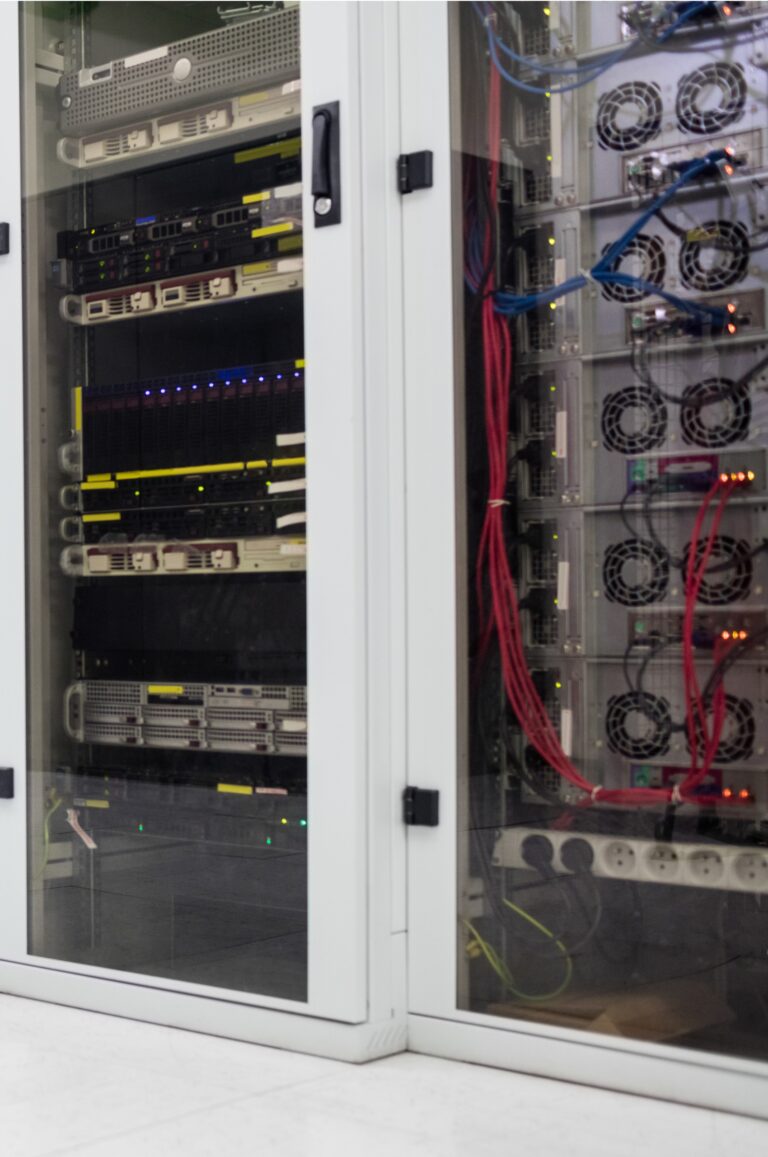
A good cabling installation is not just cable between two points.Routes, containment, separation from other services, access, bend control, cabinet space, PoE requirements and future changes all affect whether the finished infrastructure remains maintainable. Share drawings, outlet schedules, cabinet information and active-equipment requirements where available.
01
Define the requirement and test outcome
Confirm users and devices, outlet count, cabinet locations, CAT6 or CAT6A requirement, active-equipment owner, expected test level, programme and any standard or manufacturer requirement already issued.
02
Survey routes and retained infrastructure
Review cable paths, containment, ceiling voids, risers, high-level access, other services, existing cabinets, retained cabling, electrical interfaces and operating constraints.
03
Install, test and hand over
Coordinate cable installation and termination, complete the agreed testing, resolve recorded exceptions and provide the labels, schedules, photographs and test outputs included in the project.
Do not open network equipment, electrical panels or restricted comms areas simply to gather quotation information. Existing drawings, safely visible labels and ordinary photographs are enough to begin the review.
Have a point schedule, drawing or existing cabinet information? Send the structured cabling requirement to WB.
Make the installed infrastructure easy to trace and change
Testing, labels and completion records
Agree the evidence before the installation starts
- The outlet and patch-panel references used for the installed links.
- The agreed verification, qualification or certification results for the links included.
- The cabinet, route, point schedule or as-installed information included by scope.
- Any failed, inaccessible, retained or excluded links clearly identified rather than silently omitted.
A basic continuity or wire-map result does not prove the same performance as a standards-based certification test. The quotation should name the intended test method and output so the client knows what the handover evidence demonstrates.
Keep physical infrastructure and digital commissioning distinct
- WB normally owns:routes, containment, copper cabling, outlets, terminations, cabinets, patching, local power and the agreed physical test and handover package.
- The network party normally owns:network architecture, active hardware selection, IP addressing, cybersecurity, application requirements and final functional or performance acceptance.
- Configuration by agreement:switch, router, access-point or other network configuration can be included where specifically agreed. The quotation should identify whether that task is being completed by WB or an appointed network specialist.
- Ongoing managed IT:monitoring, user support, subscriptions, cybersecurity management and continuing network administration are not assumed within a structured cabling installation.
That division can change for a particular project, but it should be written down before installation rather than discovered at commissioning.
Need cabinet changes as part of the same job? The cabinet-specific route covers patch panels, cable management, rack equipment, local power and cabinet rationalisation in more detail. See Data Cabinets & Patch Panels.
Verified data and infrastructure experience
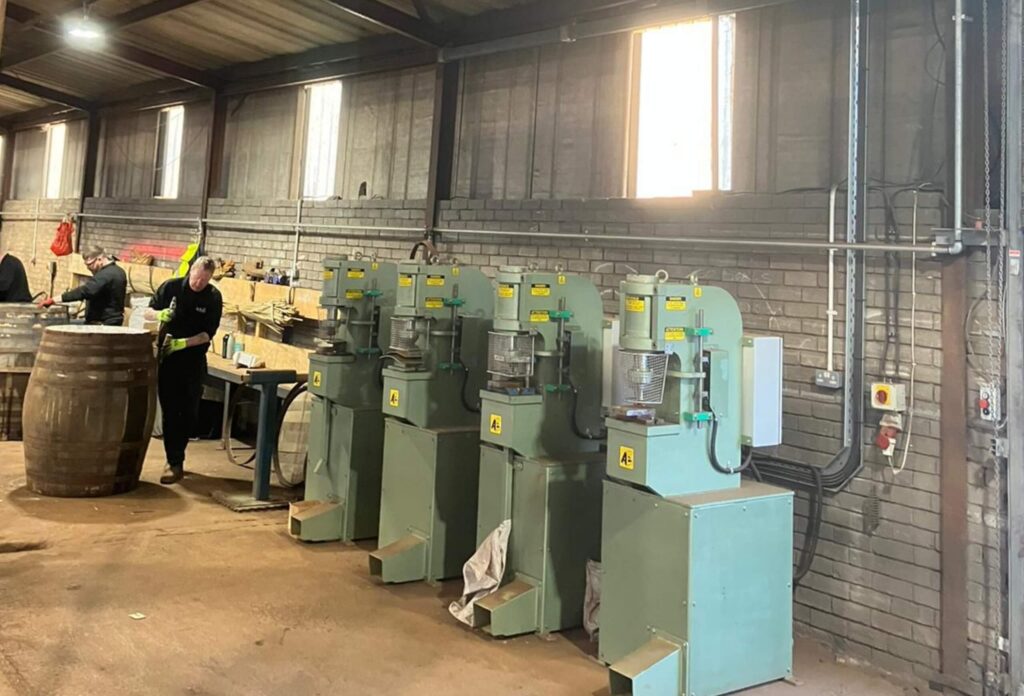
Data cabling within an operational industrial estate
North British Distillery
WB Electrical has supported North British Distillery since 2016 across its Edinburgh distillery and associated West Lothian warehousing sites. The published case study includes data cabling and fibre installation alongside wider electrical infrastructure work.
That evidence is relevant to this page because the cabling was delivered within live operational premises where access, routes, electrical interfaces and handover had to be coordinated around the site. Each new structured-cabling project still receives its own scope and testing requirements.
Supplier assurance
For contractor selection and procurement, review WB’s current accreditation and management-system evidence, then tell us about any site, RAMS, insurance, supplier-onboarding or document requirements that apply to the cabling work.
Useful answers before materials are ordered
Structured data cabling questions
Does WB Electrical install CAT6 and CAT6A cabling?
Yes. WB installs CAT6 and CAT6A structured copper cabling for commercial, industrial and public-sector premises. The quotation should identify the required category, component system, link type, route, terminations, labels and test deliverable rather than relying on the cable category alone.
Should we choose CAT6 or CAT6A?
The decision depends on the required application, link length, pathway, environment, remote-powering requirement, active equipment, future plans and the specified acceptance test. If a consultant, IT provider or client standard already defines the requirement, send that specification with the enquiry.
Are all new data points certified?
Not automatically. The required test level must be agreed. A project may require basic verification, application qualification or standards-based certification. WB will state what is included and can arrange the required testing route where it is part of the agreed scope.
Can WB configure switches, access points or other network equipment?
Configuration can be included by agreement where the responsibility, equipment and acceptance criteria are clear. Depending on the project, this may be completed directly by WB or through an appropriate network specialist. It is not assumed within every cabling installation, and ongoing managed-network support remains a separate requirement.
Does WB install fibre optic cabling?
Fibre requirements are assessed separately because cable pulling, termination, fusion splicing, connector inspection, cleaning, loss testing and OTDR testing are distinct capabilities and deliverables. Share the fibre type, route, endpoints and test requirement so the exact WB and specialist scope can be confirmed.
Connect the cabling to the wider infrastructure
Related data and connectivity services

The project needs Wi-Fi access-point infrastructure
Use the Wi-Fi route for access-point cabling, mounting, PoE or local power and physical deployment around an issued wireless requirement.
The main task is cabinet infrastructure
Use the cabinet route for patch panels, cable management, rack equipment, local power and cabinet rationalisation.

The site needs external mobile connectivity
Use the antenna route for physical 4G or 5G antenna and associated connectivity infrastructure.
Tell us what needs connected and where
Request a commercial data cabling review
Send the point schedule, drawings or outline requirement you already have. WB can review the physical scope, identify missing route, access, power or testing information and help define the next practical step.
Useful information for your quotation
- Site address or multi-site schedule and the areas affected.
- Approximate number and type of outlets, devices or links required.
- Cabinet locations, existing network information and retained cabling where known.
- CAT6, CAT6A or other issued technical specification and required test level.
- Drawings, routes, containment, access restrictions, programme and the named IT or technical contact.
Mention any drawings, outlet schedules, existing test results or photographs in the quote form. The office will confirm the best way to share larger files.
What affects structured cabling cost?
Outlet quantity, cable category, route length, containment, ceiling or high-level access, cabinet work, working hours, existing infrastructure, test level and documentation all affect price. A clear point schedule and responsibility split make quotations more comparable.
The next step may be a quotation, site survey, records review or clarification with the appointed IT or network specialist. Configuration is only included where the quotation says it is.
Based in Larkhall, WB supports suitable structured cabling projects across Glasgow, Lanarkshire, Edinburgh and the Central Belt, with larger and multi-site requirements elsewhere in Scotland considered by agreement.