
For businesses expanding or adapting existing charging
EV Charging Infrastructure Upgrades in Scotland
Add charging bays, adapt the electrical distribution or replace unsuitable equipment with a clear plan for the existing site. WB Electrical reviews what can be retained, defines the supporting work and plans the changeover around your operations.
Based in Larkhall, we plan commercial upgrades across Lanarkshire, Glasgow and the Central Belt. Larger Scottish projects and multi-site programmes are considered by agreement.
Plan the next phase around the whole site.
When the original installation needs to change
Make the next phase work for your premises
More users, different vehicles or a revised parking layout can change what you need from charging. Start with the reason for the upgrade so the work addresses the actual constraint.

More charging bays
Extend staff, visitor or fleet charging as demand grows. Review the extra vehicle energy requirement and charging windows alongside charger numbers.

Different site requirements
Adapt distribution, cable routes and charger positions for a changed car park, new operational loads or the next phase of an estate project.

Equipment no longer suitable
Assess replacement options where chargers are unsupported, unreliable or do not suit the required access and management arrangements. Investigate faults before committing to replacement.
For the operating requirements behind a larger rollout, see workplace charging or fleet and logistics charging.
Define the work behind the extra chargepoints
What an EV infrastructure upgrade can include
We agree a scope based on the existing installation, the proposed demand and the site review. An extra charger may need more than a connection to the nearest circuit.
Distribution and supplies
Dedicated EV boards, sub-mains, circuits, protection, isolation and identification. Check the suitability of existing equipment and earthing arrangements against the proposed design.
Routes and parking areas
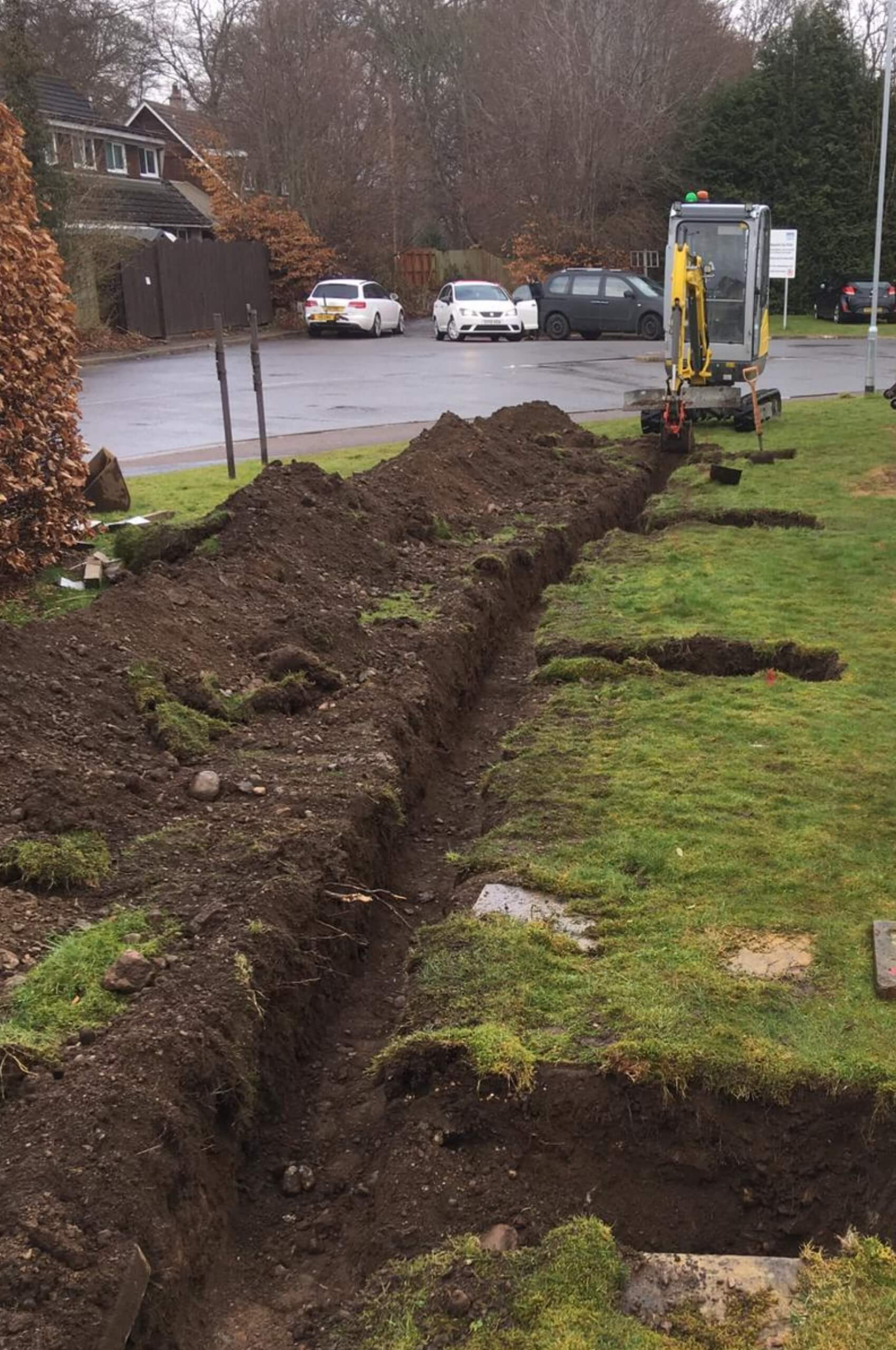
Extended containment, cable routes, ducts and bases, with agreed groundworks and reinstatement. Allow for buried services, vehicle movements, pedestrian access and future maintenance.
Charger and control changes
Additional or replacement units, communications and agreed load-management interfaces. Check compatibility, software access and any operator involvement before selecting equipment.
Incoming supply changes have their own delivery process. WB can undertake the agreed customer-side electrical work and coordinate with the distribution network operator (DNO), energy supplier and other appointed parties. Network capacity, metering work, permissions and third-party charges must be confirmed for the project.
If the capacity or scope is still unclear, start with a site survey and capacity review.
Agree access and the changeover before work starts
Plan the upgrade around a working site
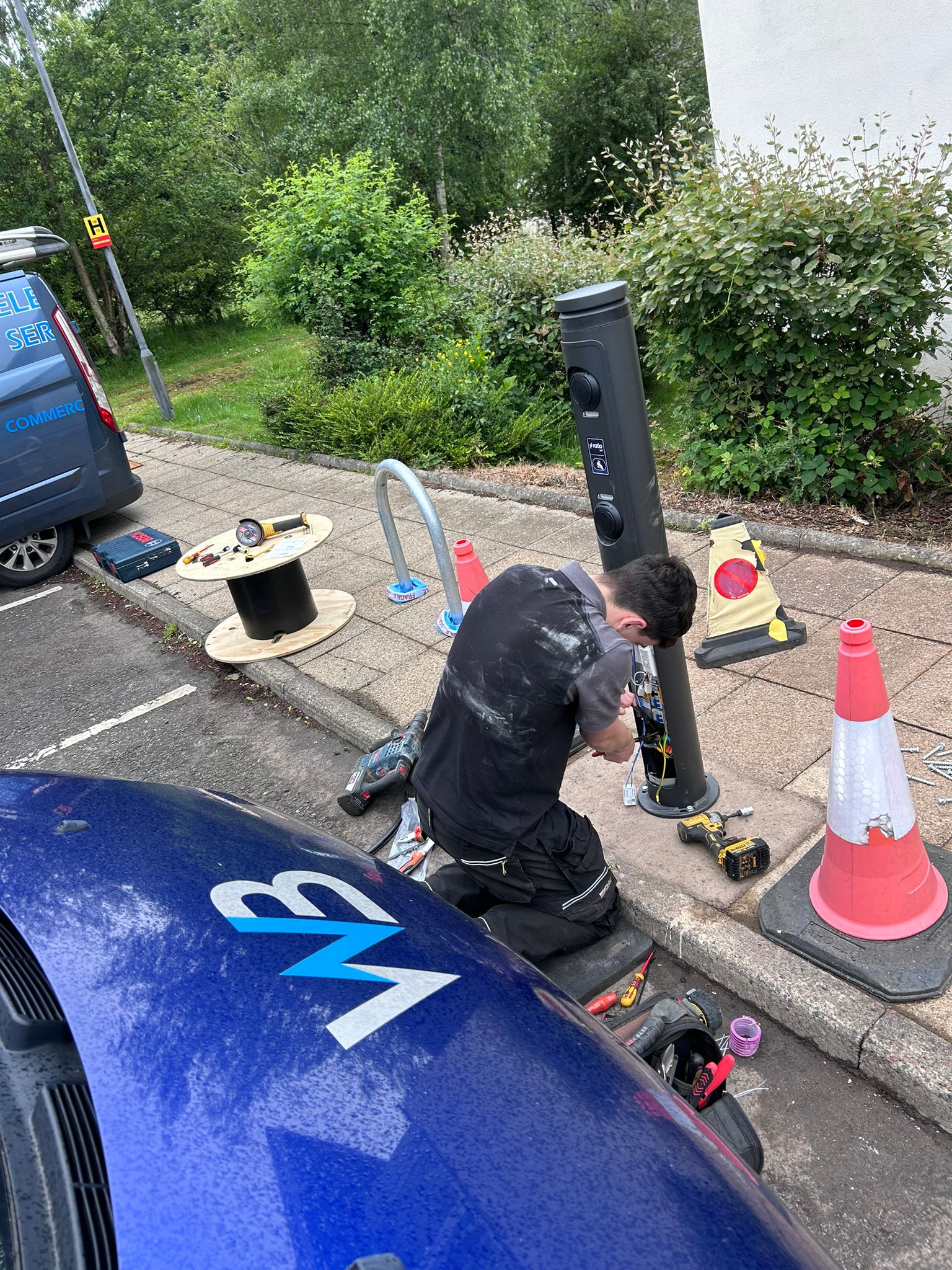
Existing chargers may need to be unavailable during the changeover. Agree bay closures, electrical isolation and alternative charging arrangements early, especially where vehicles must be ready for a shift.
01
Review what is already there
Use available drawings, test records, charger details and demand information to assess the existing system. Identify anything needing investigation before reuse or expansion.
02
Agree the work and interfaces
Set out retained equipment, new work, permissions, operator responsibilities and access. Coordinate any network or metering appointments with the electrical programme.
03
Install in planned stages
Sequence routes, distribution changes and charger work around the site. Confirm affected supplies and work areas, then test and commission the agreed installation before handover.
Need to keep vehicles moving while the work is planned? Tell us your charging windows and site constraints.
A clear record of the work and its operating limits
Know what has changed and how to use it

Installation and completion records
- Electrical certification and test results appropriate to the work.
- Updated circuit identification and agreed layout information.
- Charger configuration, commissioning and functional-check records.
- Any outstanding actions, limitations or separately agreed follow-up.
Agree the document set at quotation stage. The records should identify the work completed and any retained equipment within its scope.

Operation and the next phase
Handover should establish who manages the chargers, how users gain access and what limits or control arrangements apply. Confirm responsibility for software subscriptions, operator services and ongoing support.
Where later expansion is planned, record the provision installed now and what will still be needed. Spare ducting or mounting positions do not reserve electrical or network capacity.
Funding is a separate project check. Replacement equipment and enabling works should not be assumed eligible; use our EV grant and funding guidance to check the current route.
Electrical work that supports a usable charging system
Relevant experience at an occupied workplace
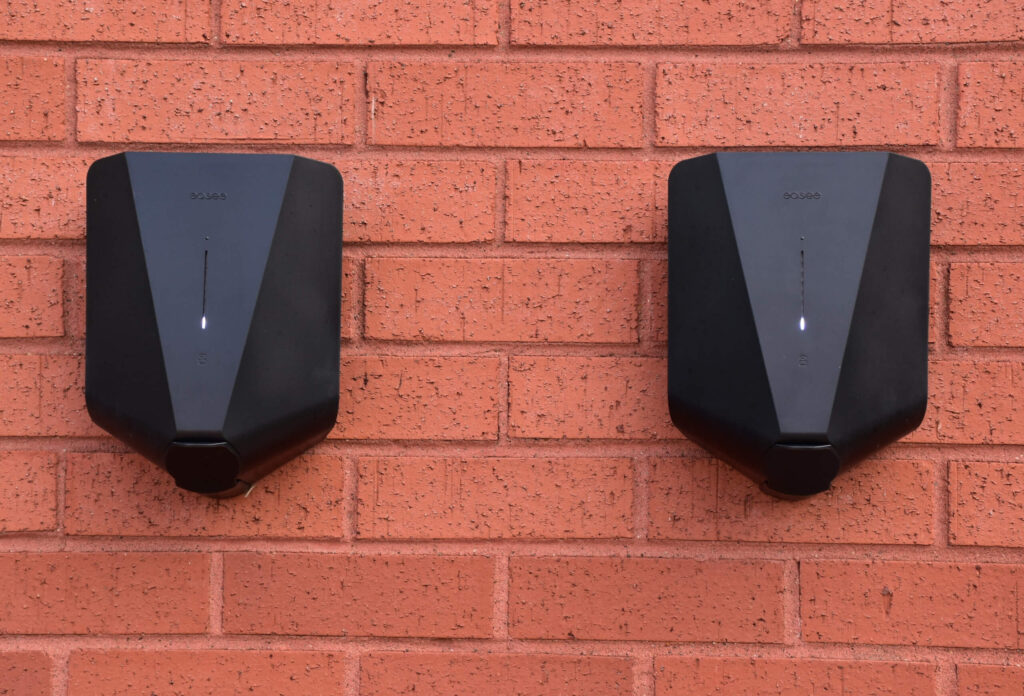
The infrastructure behind ten chargepoints
At Procladd’s Hamilton premises, WB delivered ten Easee chargepoints in 2025, including associated circuits, protection, containment, isolation and labelling. The work also included testing, controlled user access and completion information.
This was a workplace installation within an established electrical support relationship. It demonstrates the coordination of chargers with the wider electrical system, which also matters when an existing site expands.
Supplier assurance
WB publishes its SELECT membership and wider contractor credentials. Tell the office which evidence your procurement process needs so the scope and current documents can be matched to the work.
Practical answers for an existing installation
EV infrastructure upgrade questions
Can you extend a system installed by another contractor?
We can review an existing installation before agreeing the work. Charger models, electrical records, access permissions, warranty terms and the current operator or software arrangement all matter. Compatibility and access to configuration need checking; support for every product or platform cannot be assumed.
Will more chargers mean a larger electricity supply?
Not always. The design may be able to use the existing supply with suitable charging limits or load management. It still needs to meet the vehicles’ energy needs within the available time. Where that is not practical, distribution changes or an incoming supply upgrade may be required.
Can existing cabling and chargers be reused?
Potentially, after their condition, rating, installation method and compatibility have been assessed for the proposed work. Existing certificates and drawings help, but they do not by themselves establish suitability for a changed load. The agreed scope should state what is retained and what is replaced.
Can we prepare infrastructure now and add chargers later?
Yes, where a phased design is appropriate. Ducts, containment, bases or distribution provision can be considered alongside the initial work. Define the intended later demand and record the assumptions. Future equipment compatibility, approvals and available capacity will still need checking when that phase proceeds.
Will replacing chargers fix slow or unreliable charging?
Only if the equipment is the cause. Vehicle limits, schedules, access settings, communications, power allocation or electrical faults may affect charging. Start with fault investigation and maintenance support when the problem is unclear, then agree any necessary repair or upgrade.
Choose the support that fits your starting point
Related EV charging services

Establish the options
Review supply, existing demand and parking before deciding how far to expand.
Manage available power
Develop suitable charging controls and priorities for the building and vehicles.
Plan a new installation
Arrange a complete charger installation where the requirement starts with a new system.
Explore the full Commercial EV Charging service for the component services and buyer routes.
Start with the existing system and the next requirement
Discuss your EV infrastructure upgrade
Tell us what is installed now and what needs to change. We can review the enquiry and agree the information or site visit needed to define the next step.
Useful information for your enquiry
- Organisation, site address and parking ownership.
- Existing charger makes, models and approximate quantities.
- Additional bays, replacement needs or the issue being experienced.
- Available electrical records, plans and demand information.
- Vehicle charging windows, access constraints and target dates.
You can enquire with incomplete records. Mention the documents you hold; the office will confirm a suitable way to share them.
What affects the upgrade cost?
Scope and condition of the existing installation, cable distances, distribution changes, groundworks, reinstatement, equipment and working hours all affect the price. Network, metering, operator and software costs may sit outside the electrical quotation.
Agree inclusions, allowances and programme dependencies before proceeding. Lead times depend on equipment, access and any third-party works or permissions.
For a charger at your own home, use the separate domestic enquiry route.