
For facilities, engineering and continuity planning teams
Backup & Standby Power Systems in Scotland
Plan the electrical side of power continuity around the loads that actually matter. WB Electrical supports critical-load review, fixed-installation integration, changeover work and ongoing electrical maintenance for UPS, standby generation and related systems.
From our Larkhall base, we support commercial, industrial and public-sector sites across Glasgow, Lanarkshire and the Central Belt. Wider Scottish and multi-site resilience requirements are considered by agreement.
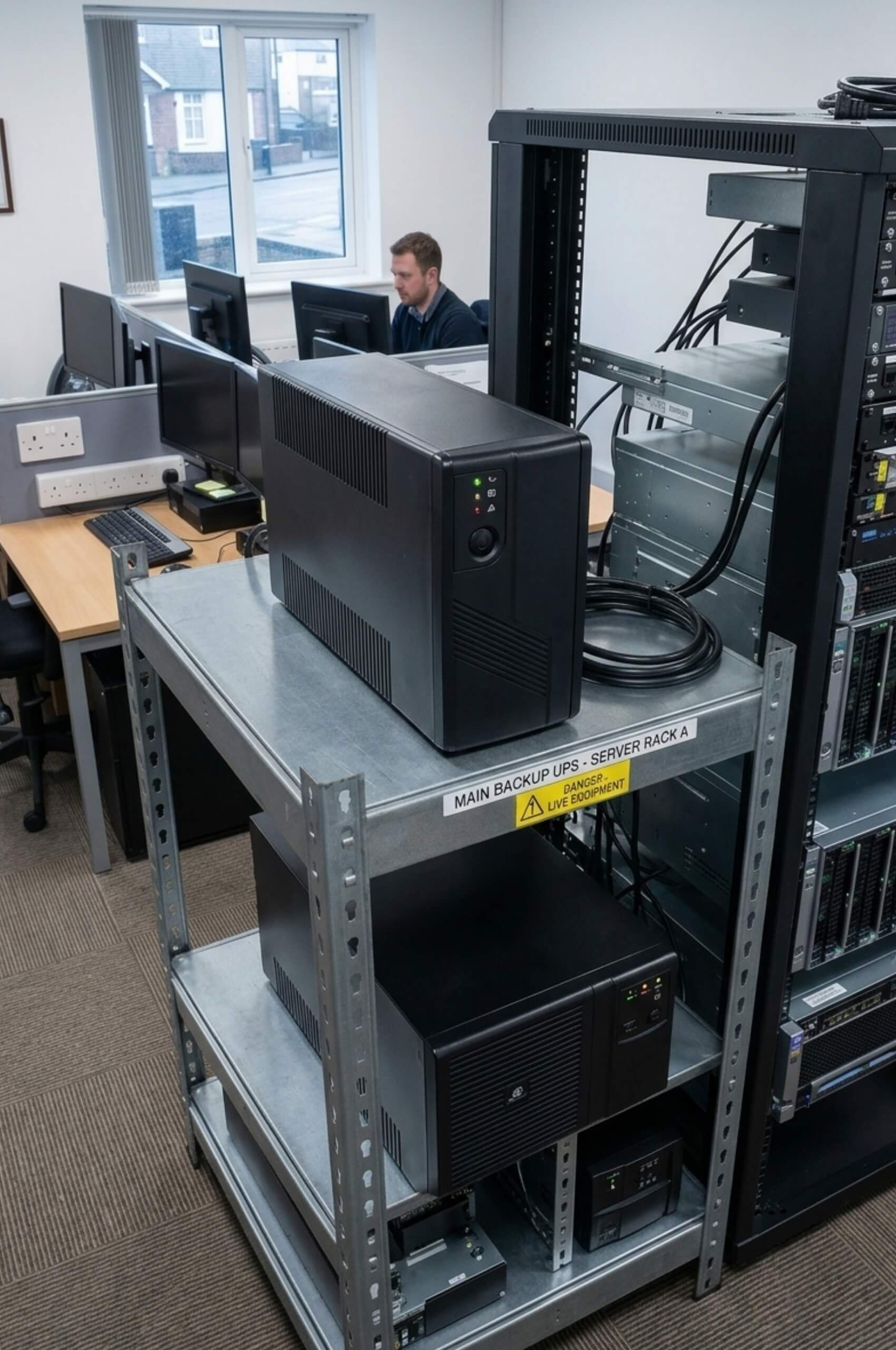
Critical loads. Defined interfaces. Maintainable continuity.
Start with the outage consequence
When backup and standby power support adds value
Backup power is most useful when the continuity objective is defined before equipment is selected. Start with what must remain available, how long it needs support, what interruption can be tolerated and how the existing electrical installation will transfer between supplies.

Critical operations cannot tolerate a full outage
IT, communications, controls, access systems, process equipment or safe-shutdown functions may need immediate ride-through, extended standby power or a defined restart sequence when the normal supply is lost.

The existing standby arrangement no longer matches the site
Loads, equipment, operating hours or business-critical systems have changed since the UPS, generator or changeover arrangement was installed, or records and maintenance history are no longer clear enough for confident operation.

You are planning a change, outage or resilience upgrade
A distribution upgrade, plant change, planned shutdown or new critical load creates an opportunity to review which circuits need support, how transfer should work and which specialist responsibilities must be coordinated.
Need temporary supplies for a project or controlled shutdown rather than permanent resilience? See Temporary Power Solutions.
Defined electrical scope and specialist interfaces
What backup and standby power support can include
The agreed scope should define the protected loads, electrical interfaces, equipment responsibilities and required records. WB can support the fixed electrical side of suitable UPS, standby generation and changeover arrangements while manufacturer or other specialist responsibilities remain clearly allocated.
Critical loads and the fixed installation
Review essential circuits, existing distribution, available load information, interruption tolerance and the electrical path between the normal supply, standby source and the equipment that must continue operating.

UPS, generator and changeover integration
The electrical package can include agreed supplies, cabling, protection, isolation, manual or automatic changeover, bypass arrangements, earthing, labelling and testing of WB-installed work, coordinated with the selected equipment and its specialist.
Existing systems, maintenance and specialist work
WB can review the electrical interfaces, condition, records and practical upgrade needs of an existing system. Internal UPS electronics, firmware, generator-engine work, fuel systems, proprietary battery management and manufacturer-only servicing are not assumed and may require the OEM or another specialist.
For recurring electrical maintenance use Planned Preventative Maintenance or Electrical Equipment Servicing. For a live fault or failed supply use Reactive Electrical Callouts.
Safe changeover, access and a controlled test plan
Plan standby power around live operations
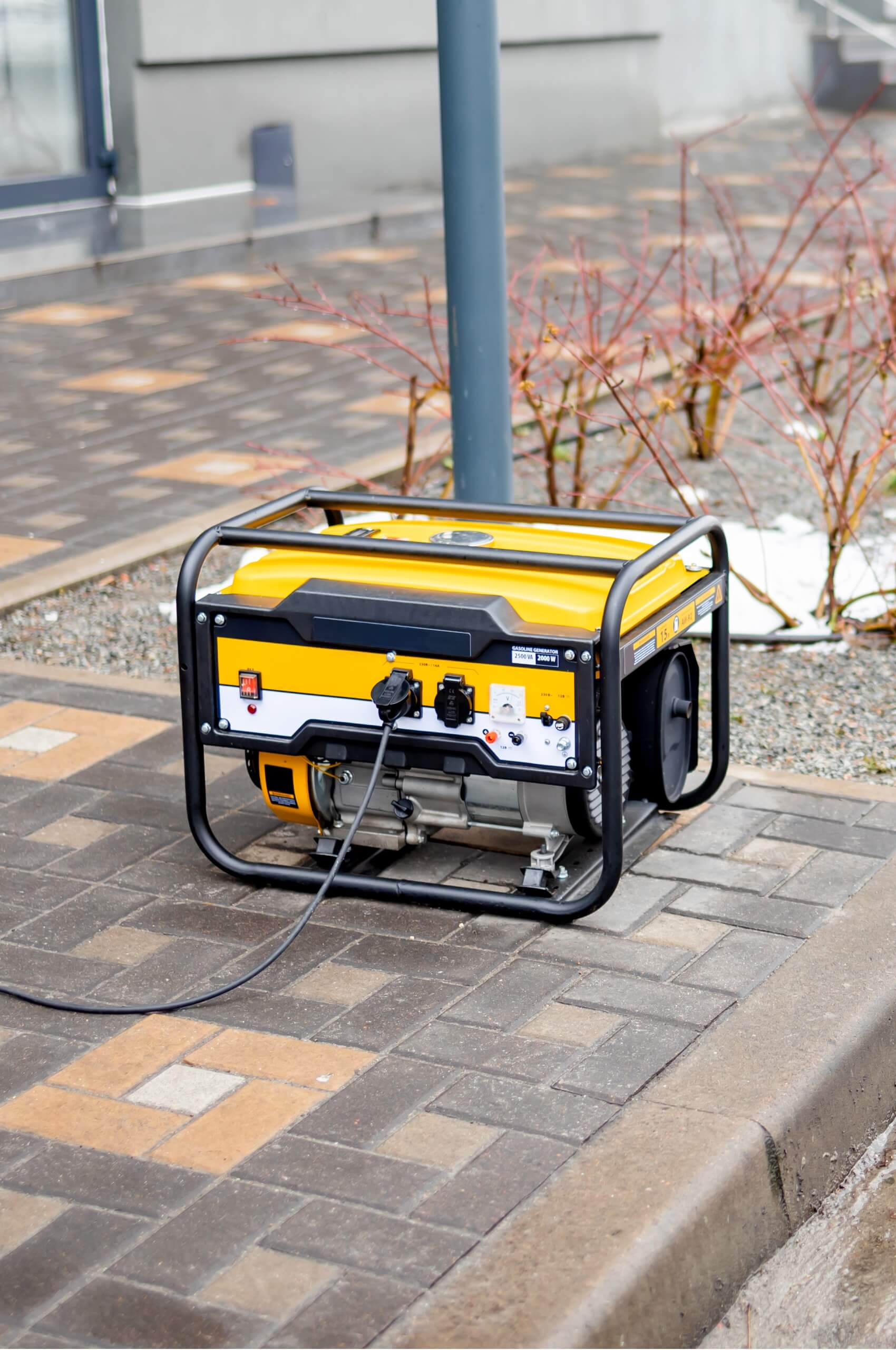
Continuity work often affects the same circuits the client is trying to protect. Define the outage consequence, essential loads, switching authority, permits, specialist attendance and test window before equipment is isolated, transferred or modified.
01
Review critical loads and existing records
Use available single-line diagrams, load schedules, equipment ratings, maximum-demand information, operating history and manufacturer data to identify what must remain available and which assumptions still need verification.
02
Agree changeover, bypass and specialist responsibilities
Confirm how the normal and standby supplies are isolated and transferred, who can operate the system, whether a maintenance bypass is available, which loads can be interrupted and which OEM, mechanical, controls or fuel-system specialists must attend.
03
Complete, test and record the electrical scope
Complete the agreed electrical work, inspect and test it, coordinate functional proving with the relevant equipment specialist and record the protected loads, operating limitations, defects, handover information and any separate follow-up work.
Alternative supplies must use a deliberate, correctly designed transfer arrangement. If the existing switching, interlocking, isolation or earthing arrangement is unclear, it remains an engineering issue to resolve before the system is relied upon.
Need help defining the first assessment? Discuss your backup power requirement with WB.
Readiness depends on useful records
Keep the standby system maintainable and ready to use
A practical standby-power record
- Protected loads, essential circuits and the intended continuity or shutdown objective.
- UPS, generator, battery, transfer, bypass and fixed-installation interfaces included in the agreed scope.
- Switching, isolation, labels, operating information, test results, limitations and items requiring specialist follow-up.
- Maintenance actions, defects, battery or component concerns, responsible party and next review or test date where agreed.
The records should help the facilities or engineering team understand what the standby arrangement is intended to support, what was checked or changed, what remains open and which actions need a separate shutdown, quotation or specialist attendance.
Maintenance should follow the equipment and duty
- Current manufacturer information: use the latest available maintenance instructions for the UPS, batteries, generator and transfer equipment included in the system.
- Functional readiness: plan suitable checks of transfer, alarms, bypasses and supported loads around the site risk and equipment requirements.
- Electrical follow-up: route defects in distribution, protection, cabling, isolation or changeover equipment into a defined electrical repair or upgrade scope.
- Specialist maintenance: keep internal UPS, battery, generator-engine, fuel, firmware or proprietary control work with the competent OEM or specialist where required.
HSE has specifically warned that inadequate industrial UPS maintenance schedules can create a false sense of safety and reliability. The current OEM maintenance information should therefore be part of the maintenance basis, especially for critical or safety-related applications.
Changes to critical loads, operating duty, runtime expectations or the fixed installation should trigger a review of the standby arrangement rather than assuming the original design still matches the site. Ongoing electrical actions can be coordinated through the wider electrical maintenance service.
Standby power support within a live industrial estate
Electrical infrastructure and standby power support
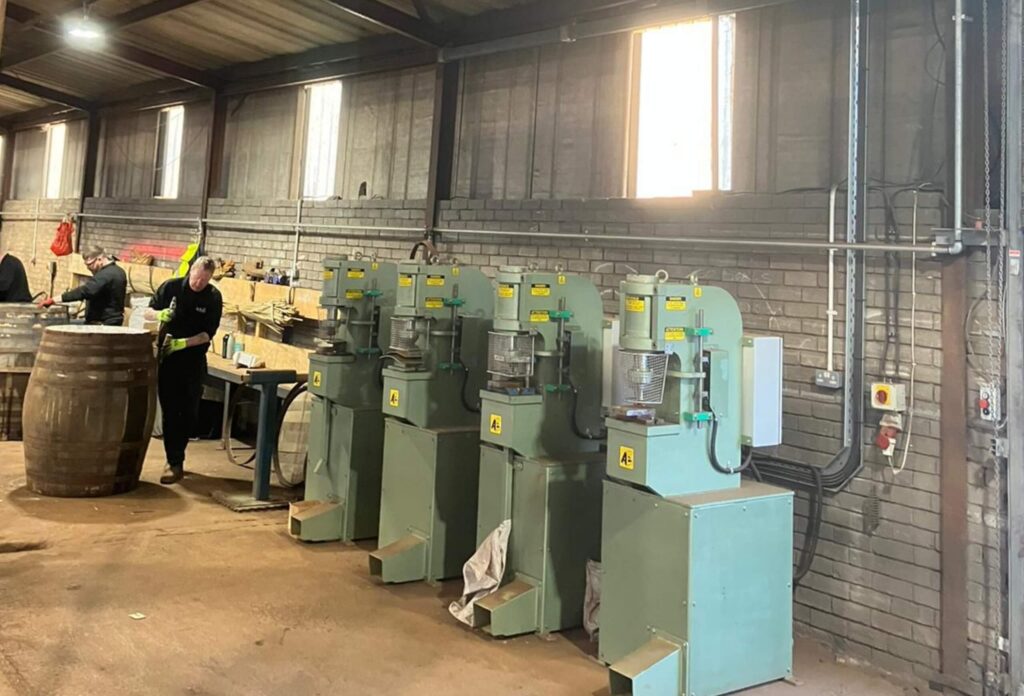
North British Distillery
WB Electrical has supported North British Distillery since 2016 across its Edinburgh distillery and associated West Lothian warehousing sites. The published work includes distribution upgrades, electrical supplies, control-panel and valve-chamber distribution work, temporary power where required and standby power support.
The relevant evidence is WB working around live industrial operations, shutdown windows and existing infrastructure while delivering defined electrical scopes. It does not imply that every UPS, generator or internal standby-system service is undertaken without a fresh survey and clearly allocated specialist responsibilities.
Supplier assurance
Review WB’s current electrical contractor memberships, management-system certificates and accreditation evidence as part of your supplier assessment.
Practical answers before equipment is selected
Backup and standby power questions
What backup and standby power support can WB provide?
WB can assess the electrical requirement, review critical loads and existing distribution, deliver agreed fixed-installation work, install or alter changeover and associated electrical infrastructure, test WB-installed work and support ongoing electrical maintenance. Equipment selection, internal servicing and specialist commissioning are confirmed separately where needed.
Do we need a UPS, a generator or both?
It depends on the protected load and interruption tolerance. A UPS can provide immediate ride-through or controlled shutdown, while standby generation can provide longer-duration support where a start and transfer period is acceptable. Some sites use both. The correct arrangement depends on load, runtime, transfer requirements, site conditions and specialist equipment data.
Can only selected critical circuits be backed up?
Yes, where the design and existing installation support it. Defining essential circuits can avoid sizing a system around non-critical loads, but dependencies still need checking because a critical function may rely on controls, communications, cooling, pumps or other supporting equipment.
Can WB maintain or upgrade an existing UPS or standby system?
WB can review the fixed electrical installation, changeover equipment, distribution, records and agreed interfaces, then identify suitable repairs or upgrade work. Internal UPS electronics, firmware, battery-management systems, generator engines, fuel systems and manufacturer-only tasks may require the OEM or another specialist.
How often should a UPS or standby system be tested or serviced?
There is no single interval for every system. The programme should follow current manufacturer information and consider equipment age, battery or component life, duty, environment, criticality, previous findings and any client or specialist requirements. Critical systems should not rely on a generic annual assumption.
Connected services around continuity and resilience
Related continuity and maintenance services

You need recurring maintenance around the system
Use planned preventative maintenance to coordinate recurring electrical checks, service actions, records and follow-up around an installed standby system or wider site maintenance programme.
The standby system has failed or is behaving unexpectedly
Use reactive electrical callouts for unexpected loss of supply, failed transfer, tripping, damaged electrical equipment or another fault that needs triage, make-safe work or diagnosis.

You need temporary power for planned work
Use Temporary Power Solutions where the requirement is a project supply, planned outage arrangement or short-term continuity measure rather than a permanent standby system.
Explore the Preventative & Reactive Maintenance service family
Share the loads, system and continuity objective
Discuss backup and standby power requirements
Send the information you already have. WB will review what must remain available, the existing electrical installation, interruption and runtime requirements, current standby equipment and specialist interfaces before confirming the most useful next step.
Information that improves the first assessment
- Company or organisation, site address, postcode and number of locations.
- What must keep running, the outage consequence and whether a brief interruption is acceptable.
- Load schedules, single-line diagrams, supply information, ratings, measurements and existing UPS or generator details where available.
- Existing changeover, bypass and isolation arrangements, shutdown windows, access controls and specialist contacts.
- Required runtime or continuity objective, known faults, maintenance history, project timescale and purchase-order process.
Mention any available drawings, equipment schedules, maintenance records or photographs in the quote form. The office will confirm a suitable way to share them. Do not remove electrical covers or operate standby equipment solely to take photographs.
What affects backup and standby power cost?
Protected-load size, required runtime, existing distribution, changeover complexity, cabling, protection, access, shutdowns, equipment condition, specialist attendance, batteries or parts, testing and working hours can all affect price. A catalogue kVA figure alone is not enough to price the complete electrical requirement.
The next step may be an information review, site assessment, electrical quotation or specialist equipment discussion. Equipment supply, internal OEM servicing, fuel-system work, batteries, parts and larger remedials are included only where the agreed proposal states them.
Based in Larkhall, we support suitable backup and standby power requirements across Glasgow, Lanarkshire and the Central Belt. Multi-site and larger Scottish projects are considered by agreement.