Planned electrical maintenance programmes

Planned Preventative Electrical Maintenance Across Scotland

Risk-led electrical PPM for commercial, industrial and public-sector premises, with defined assets, scheduled activities, practical reporting and a clear route from each finding to completed action.

Start with a baseline review or build a recurring programme for one site, several locations or an operational estate. Visits can be planned around access, production, opening hours and controlled shutdowns.

For a useful first review, include the site or estate, operating hours, priority systems, available asset information and any known faults or overdue actions.

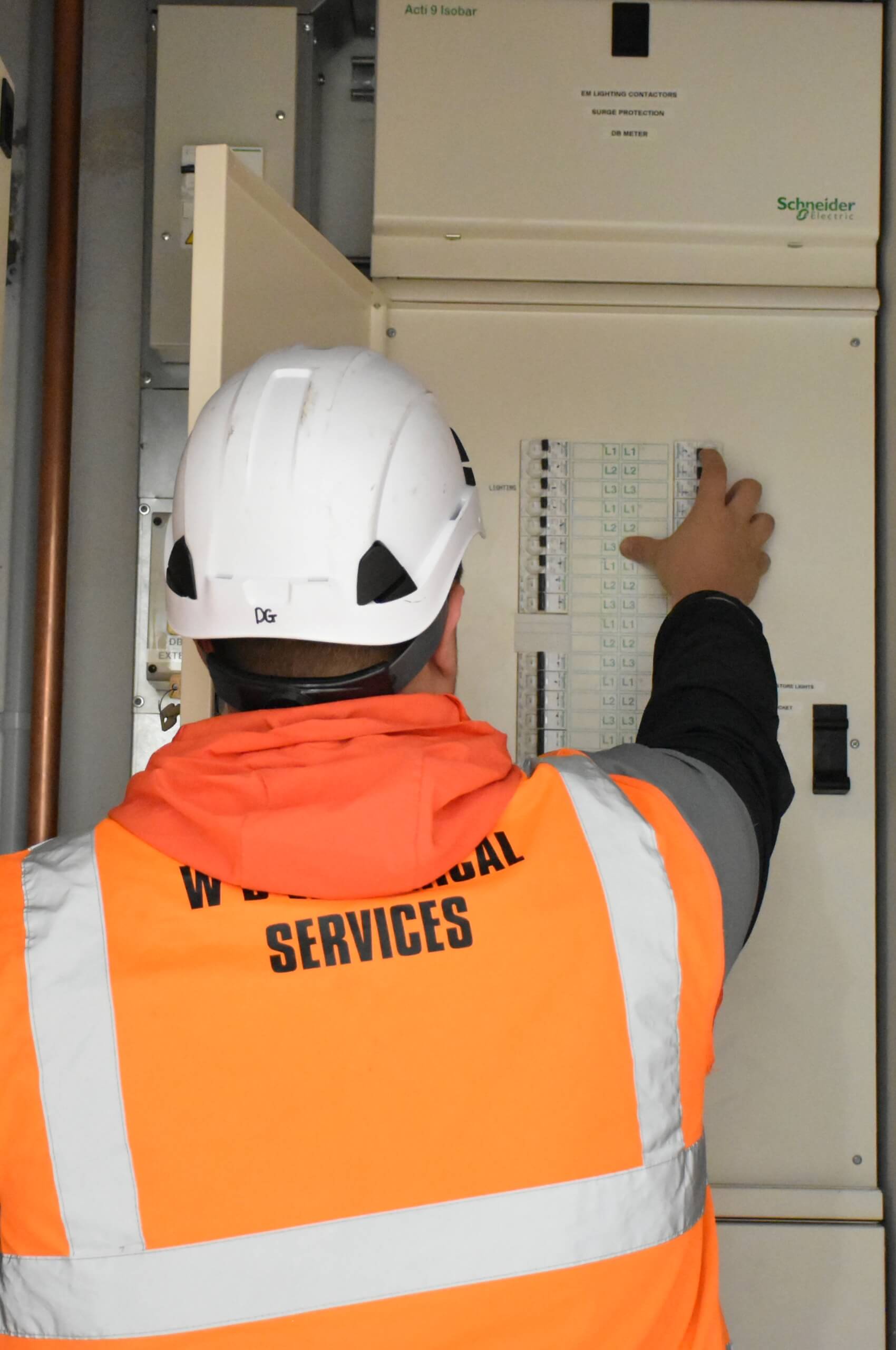
WB Electrical engineer carrying out planned maintenance at a distribution board

Single or multi-site

A site-specific scope within one consistent programme

Risk-led frequencies

Intervals based on use, condition, environment and criticality

Clear actions and records

Findings, priorities, ownership and follow-up by agreement

Contractor assurance and recognised accreditations

Start with what is known today

Build a Maintenance Programme Around the Site

A useful electrical PPM programme is not a fixed checklist copied from another building. It starts with the installation, the way the premises operate and the consequences of an electrical problem.

WB Electrical can begin with a one-off baseline review, an existing maintenance specification or a known group of assets. Available drawings, inspection reports, manufacturer information, fault history and client priorities are used to shape the first scope.

The programme can then develop as the condition and maintenance history become clearer. Assets can be added, visit frequencies changed, shutdown work prepared and recurring issues tracked. This keeps the work connected to evidence rather than an arbitrary calendar.

  • Name the assets, areas and activities included
  • Record exclusions, access limits and specialist responsibilities
  • Agree who can authorise isolation, minor work and additional cost
  • State the visit report, certificates and action-tracking output
  • Review open defects and recurring findings at agreed intervals

See the wider Commercial Electrical Maintenance service →

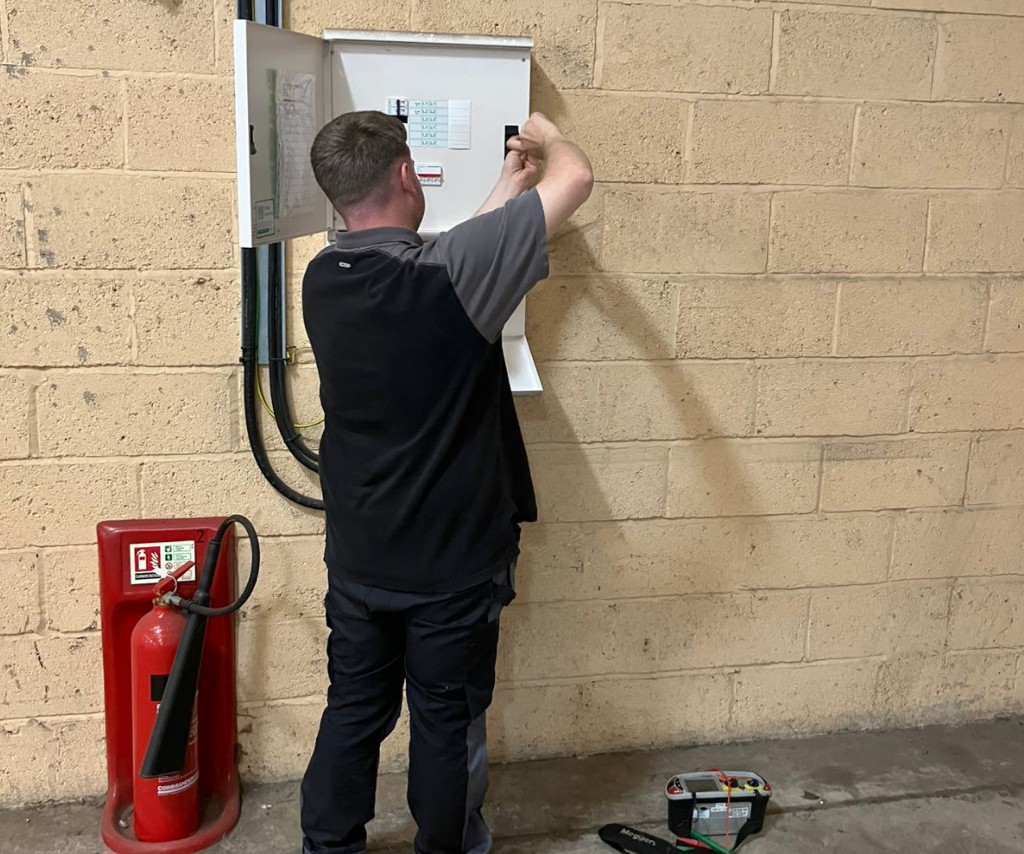
WB Electrical engineer inspecting a commercial distribution board

Planned work with a clear purpose

Where Planned Electrical Maintenance Adds Value

The value comes from repeatable checks, useful records and action taken at the right time. It is strongest where reliability matters, the electrical estate is changing or maintenance has previously been reactive.

New or inherited premises

Establish a Reliable Baseline

Bring together available records, known faults, priority areas and an initial asset scope. A baseline visit helps distinguish immediate concerns from work that can be planned into later visits.

  • Existing reports and recommendations
  • Known defects and recurring issues
  • Critical equipment and operational areas
  • Missing labels, records or asset information

Operational reliability

Find Developing Issues Earlier

Regular visual, functional and condition checks can identify deterioration, damage, heat, contamination, loose equipment or repeated faults before the problem becomes more disruptive.

  • Distribution and switchgear condition
  • Frequently used accessories and controls
  • Critical supplies and local isolators
  • Changes since the previous visit

Budget and programme control

Turn Findings Into Planned Work

Prioritised reporting gives facilities and engineering teams a clearer basis for arranging isolations, obtaining approval, ordering equipment and combining work with the next shutdown.

  • Immediate concerns escalated
  • Corrective work given a target
  • Lower-priority items monitored
  • Actions carried forward until closed

Single site or estate

Create Consistent Maintenance Records

A common asset structure, visit checklist and action language can make it easier to compare locations without ignoring the different risks and operating conditions at each site.

Changing electrical demand

Review Altered Use and Fault History

New machinery, layout changes, additional loads, tenant changes or repeat tripping can alter maintenance priorities. Planned reviews keep the programme tied to how the installation is actually being used.

Planned access

Use Shutdown Time Productively

Known maintenance tasks can be grouped into an agreed isolation or shutdown window, with labour, parts, permits and operational contacts prepared before the work starts.

Define assets, activities and exclusions

Electrical Assets and Activities That Can Be Included

The final low-voltage maintenance scope is agreed for the premises. High-voltage, hazardous-area, fire, security, mechanical and manufacturer-controlled equipment require their own competence and responsibility review rather than being assumed within a general visit.

Distribution Boards and Switchgear

Agreed checks and maintenance for accessible low-voltage boards, isolators, protective devices, enclosures and associated labelling.

  • Condition, damage and contamination
  • Signs of heat or deterioration
  • Operation and access constraints
  • Labels and records within scope

Critical Circuits and Equipment Supplies

Review of selected supplies serving production, pumps, controls, communications, refrigeration, life-safety interfaces or other priority systems identified by the client.

  • Criticality and redundancy agreed
  • Fault and trip history reviewed
  • Local isolation arrangements
  • Specialist ownership recorded

Lighting, Controls and Accessories

Maintenance can include representative or asset-based checks of lighting controls, sensors, contactors, switches, sockets and accessories in high-use or higher-risk areas.

  • Operating faults and damage
  • High-level access planned
  • Cleaning or replacement by scope
  • Emergency lighting tested separately

Cables, Containment and Electrical Rooms

Accessible cable routes, supports, entries, covers, room condition and obvious environmental influences can be reviewed where included in the visit schedule.

  • Mechanical damage or poor support
  • Water, dust, heat or obstruction
  • Unsealed entries and missing covers
  • Restricted or concealed areas noted

Condition Monitoring and Agreed Servicing

Thermal imaging, load checks, component servicing or manufacturer-led activities can be incorporated where the method, competence, equipment condition and output are separately defined.

  • Representative operating condition
  • Manufacturer instructions considered
  • Specialist equipment boundaries
  • Repeat findings linked over time

Minor Repairs and Defect Close-out

Suitable minor work can be completed during a visit where it is authorised, safe, supported by the required parts and included in the commercial arrangement.

  • Authority and cost limits agreed
  • Isolation and verification planned
  • Certification provided when required
  • Larger work quoted separately

Three connected but different activities

Planned Maintenance, Formal Testing and Reactive Support

Bringing these activities into one wider relationship can improve coordination, but the quotation and records should keep their purposes clear.

Planned Preventative Maintenance

Scheduled checks, servicing, condition observations, minor agreed work and reporting against a defined asset and activity schedule. It supports reliability and the wider maintenance plan.

Formal Inspection and Testing

EICR, emergency lighting testing, PAT and other defined inspections follow their own scope, method, competence and record requirements. They remain separate even when the dates and remedials are coordinated.

Explore Compliance Testing and Scheduling →

Reactive Fault Response

Fault finding, safe isolation and repair when an unexpected issue occurs. A maintenance history can make the response more informed, but response times and out-of-hours support must be agreed.

Explore Reactive Electrical Callouts →

The Electricity at Work Regulations apply across Great Britain, including Scotland. HSE guidance explains the duty to maintain electrical systems so far as necessary to prevent danger, but it does not create one universal annual PPM visit for every premises. Read HSE guidance on the Electricity at Work Regulations.

From baseline to reviewed programme

How a Planned Electrical Maintenance Programme Is Developed

The process makes the scope auditable, the visit practical and each recommendation easier to approve, schedule and close.

01

Understand the Site and Objective

Confirm the premises, operating pattern, responsible contacts, known concerns, critical systems and what the organisation wants the planned maintenance programme to achieve.

02

Review Records and Build the Asset Scope

Use available drawings, schedules, previous reports, recommendations and site information to identify the assets, areas, exclusions and missing records that affect the proposal.

03

Set Risk-led Frequencies and Priorities

Consider environment, use, duty, condition, fault history, manufacturer information and consequence of failure. Different assets may need different starting intervals.

04

Plan Access, Isolation and Operations

Agree escorts, permits, safe isolation, shutdowns, out-of-hours work, high-level access, production constraints and the people authorised to approve operational changes.

05

Complete, Record and Escalate

Carry out the agreed activities, record exceptions and findings, communicate any urgent concern and provide the contracted visit report and supporting records.

06

Close Actions and Refine the Programme

Complete or plan corrective work, track open actions and use recurring findings, asset changes and fault trends to adjust the future scope and visit frequency.

No single interval suits every asset

How Often Should Electrical PPM Be Carried Out?

A quarterly, six-monthly or annual visit may be a practical arrangement for part of a site, but the frequency should follow risk and evidence rather than becoming an unsupported rule.

Factors That Set the Starting Frequency

  • The equipment type, age, condition and manufacturer information
  • Operating hours, loading, switching duty and frequency of use
  • Heat, dust, moisture, vibration, corrosion, impact or public exposure
  • Fault, trip, repair and inspection history
  • Criticality, redundancy and the consequence of losing the supply
  • Formal inspection dates, planned shutdowns and access opportunities
  • Statutory, insurer, lease or client requirements that apply to a defined activity

Evidence That Can Change the Frequency

  • Repeated defects or a rising number of observations
  • Deterioration, contamination or damage found between visits
  • New loads, machinery, tenants or changed operating conditions
  • Repairs, alterations or replacement of an asset
  • Stable results that support a proportionate review
  • A manufacturer, competent person or formal report recommending action

HSE advises organisations to determine inspection and testing intervals from risk, record the chosen frequency and review it in light of the number and severity of faults found. Read HSE electrical maintenance FAQs.

Access and isolation are part of the plan

Plan Maintenance Safely Around Live Operations

A quieter time is only useful if the work can be completed safely and the people responsible for the site understand what will be isolated, unavailable, tested and returned to service.

Engineer recording information during work at an electrical distribution board
  • Confirm the dutyholder, site contact and people authorised to control operations
  • Agree safe isolation, lock-off, permits, proving dead and restoration responsibilities
  • Identify services that cannot be interrupted and the available redundancy or temporary arrangements
  • Plan barriers, escorts, high-level access, restricted rooms and public or vehicle interfaces
  • Coordinate production shutdowns, cleaning, specialist attendance and equipment cool-down or restart
  • Record assets that cannot be safely accessed rather than forcing an unsuitable method
  • Use manufacturer instructions and suitably competent people for specialist maintenance

The report should help the next decision

Clear Maintenance Records and Action Priorities

The visit output should show what was included, what was completed, what could not be accessed and what needs to happen next. It should not use EICR classification codes for routine observations unless an EICR was actually completed.

Immediate Safety Concern

Raised promptly with the nominated site contact. The response may include restriction, isolation, making safe, further investigation or urgent corrective work, depending on the condition and authority available.

Planned Corrective Action

A defect or improvement that needs a defined owner and target, often coordinated with approval, procurement, production or the next controlled shutdown.

Monitor or Review

An observation, trend or lower-priority condition retained for comparison, further information or review at a suitable future visit.

A Useful Visit Record Can Include

  • Site, date, engineer and nominated site contact
  • Assets, areas and planned activities within the visit
  • Work completed and any parts or settings changed
  • Findings, photographs and asset references where useful
  • Urgent matters communicated during attendance
  • Limitations, inaccessible assets and deferred activities
  • Priority, recommended action, owner and target where agreed
  • Minor repairs completed and separate work requiring quotation
  • Certificates, test results or manufacturer records where the activity requires them
  • Open actions carried forward for review and closure
Electrical maintenance information being recorded at an industrial site

Choose the right starting arrangement

Planned Maintenance for One Visit, One Site or a Wider Estate

The commercial arrangement can be scaled around the immediate requirement. Coverage, response support, visit dates and authorisation limits are confirmed rather than assumed.

First useful step

Baseline Site Review

For an inherited building, an incomplete asset list or a site without a settled programme. The review establishes priorities, information gaps and a sensible route into planned maintenance.

Scheduled support

Recurring PPM Programme

Agreed visits for named assets or systems, with planned activities, reporting, escalation and review. Frequencies can differ across the estate rather than forcing every item into one annual visit.

Portfolio consistency

Multi-site Maintenance

A common reporting and action structure across offices, public buildings, industrial locations or operational estates, supported by a location-specific scope and site contacts.

Operational coordination

Planned Shutdown Maintenance

Defined work prepared for a shutdown, holiday period, weekend or other controlled window. Parts, permits, access, isolation responsibility and restart requirements are agreed in advance.

Maintenance shaped by the premises

Electrical PPM for Different Types of Site

The assets may look similar, but operational access, risk, environment and reporting needs vary. The maintenance plan should reflect how the site is used.

Commercial office lighting and electrical services

Offices and Commercial Property

Distribution, lighting, controls, small power and shared services planned around occupiers, tenants, access arrangements and the responsibilities of landlords and facilities teams.

Explore Commercial Property Maintenance →

Operational warehouse with industrial lighting

Warehouses and Logistics

Maintenance priorities shaped around shifts, loading, charging, refrigeration, high-level equipment, vehicle movements and the electrical services needed to keep dispatch operating.

Explore Warehouse and Logistics Maintenance →

WB Electrical engineer recording information at industrial distribution equipment

Manufacturing and Industrial Sites

Electrical distribution, production supplies, MCC and plant interfaces, harsh environments and shutdown constraints reviewed with the operational and engineering teams.

Explore Industrial Electrical Maintenance →

Healthcare building supported by planned electrical maintenance

Healthcare and Public Sector Estates

Documented maintenance for occupied and operational buildings where continuity, safeguarding, controlled access, multiple stakeholders and consistent estate records matter.

Explore Public Sector Estate Maintenance →

Ongoing support in an operational industrial environment

A Long-term Electrical Relationship in Practice

WB Electrical has supported North British Distillery sites since 2016. The published project covers planned upgrades, reactive faults, electrical inspection and testing, emergency lighting and thermal imaging within a live production environment.

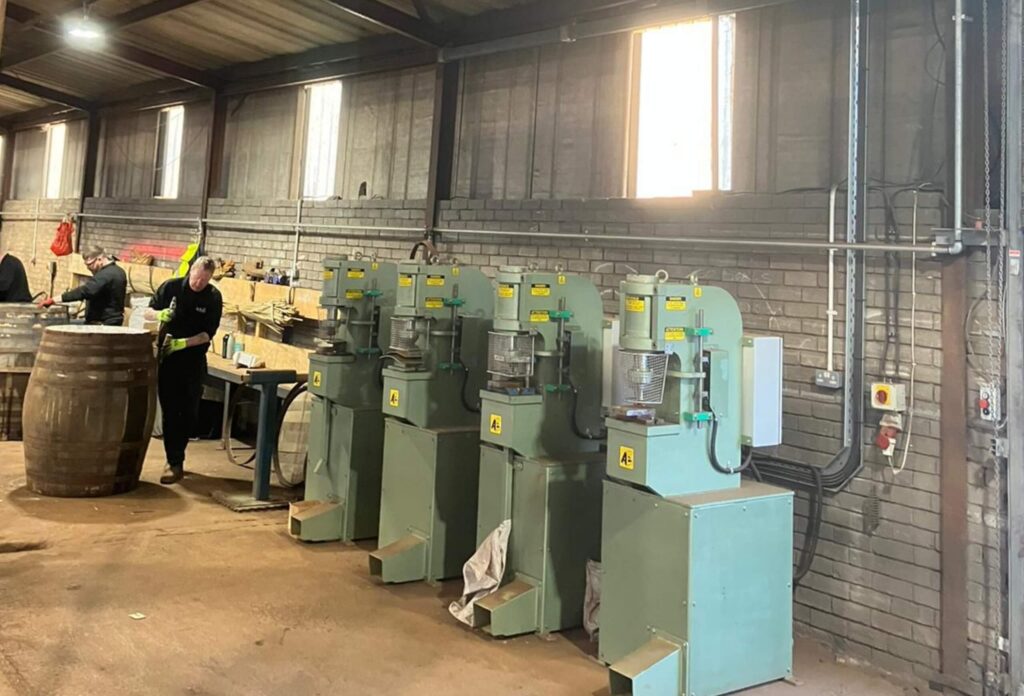
Industrial electrical equipment at an operational Scottish site

The relationship demonstrates the value of combining planned work, fault response, testing and follow-up within a contractor relationship that understands the site. Each new PPM programme still receives its own asset scope, access plan, visit frequency and reporting requirements.

  • Operational production environment
  • Planned and reactive electrical work
  • Inspection, testing and condition monitoring
  • Work coordinated around site requirements
  • Ongoing relationship since 2016

Common procurement and facilities questions

Planned Preventative Electrical Maintenance FAQs

These answers explain the main scope, frequency and responsibility decisions. The final programme is confirmed for the individual site or estate.

What is planned preventative electrical maintenance?

Planned preventative maintenance, often shortened to PPM, is scheduled work on agreed electrical assets intended to maintain condition, identify developing concerns and organise corrective action. A useful programme states the assets, activities, frequency, access requirements, reporting and exclusions rather than relying on a generic checklist.

What can an electrical PPM visit include?

The scope may include accessible distribution equipment, isolators, protective devices, critical circuits, lighting and controls, high-use accessories, cable and containment condition, selected plant supplies, minor authorised repairs, condition monitoring and record updates. The precise activities depend on the site and equipment.

How often should electrical PPM be carried out?

There is no universal interval for every asset or premises. Starting frequencies should consider environment, use, operating hours, load, condition, fault history, manufacturer instructions, criticality and consequence of failure. Results and trends should then be used to review the programme.

Can you provide an annual planned maintenance programme?

Yes, where an annual arrangement is appropriate. The agreement can schedule one or more visits across the year, but that does not mean every asset should automatically receive the same annual task. Higher-risk or heavily used equipment may need more frequent attention, while other work may be tied to a shutdown or formal test date.

Does PPM replace an EICR or other compliance testing?

No. An EICR, emergency lighting test, PAT or another formal inspection has its own purpose, method and documentation. WB can coordinate dates and follow-up actions within a wider maintenance plan, but a routine PPM visit should not be presented as a substitute for the required inspection or test.

Can PPM include thermal imaging?

Yes, where thermal imaging is useful and the scope defines the assets, operating condition, safe access, method and reporting. Equipment normally needs to be carrying a representative load for load-related temperature patterns to be meaningful. Thermography supports condition assessment but does not prove compliance or identify every defect.

Can maintenance visits be arranged around production or opening hours?

Yes. Early starts, evenings, weekends, quieter periods or planned shutdowns can be considered where the work and availability support them. The proposal should identify which activities require isolation, which areas must remain operational and who can authorise switching and restart.

What happens if an urgent electrical concern is found?

The engineer raises the concern with the nominated site contact and follows the agreed safety and escalation arrangements. Depending on the condition, the appropriate response may include restricting use, safe isolation, making safe, further investigation or arranging urgent corrective work.

Will we receive a report after each visit?

The contracted output can include assets or areas attended, activities completed, defects and observations, photographs where useful, limitations, priorities, work completed, recommended actions and outstanding items. Separate certificates or test results are supplied where the completed activity requires them.

Can minor repairs be completed during the visit?

Suitable minor repairs can be included where the work is authorised, parts are available, safe isolation is possible and the commercial arrangement permits it. Larger remedials, specialist equipment work or tasks needing a separate shutdown can be scoped and priced following the visit.

Can WB manage planned maintenance across several sites?

Yes. Multi-site programmes can use a shared asset structure, report format, priority language and review process while retaining the different access, operating and risk information for each location. A pilot or baseline review can help settle the format before wider rollout.

Do you provide 24-hour reactive cover with a PPM contract?

Round-the-clock support is available for contracted critical sites and selected clients where the response arrangement has been agreed. It is not automatically included with every planned maintenance programme. The contract should state coverage, contacts, response expectations, exclusions and site access arrangements.

What information helps you prepare a PPM proposal?

Useful information includes site addresses, operating hours, asset lists, drawings, previous reports, known defects, critical systems, fault history, current testing dates, shutdown opportunities, permits, access restrictions, preferred reporting and the people responsible for operations and approvals. WB can help identify gaps during a baseline review.

A useful programme is specific and reviewable

Key Points for Planning Electrical PPM

Good planned maintenance gives the client a clear asset scope, a justified schedule, safe access arrangements and actions that can be tracked to completion.

Scope Before Schedule

Identify the assets, activities, exclusions and output before choosing the visit pattern.

Frequency Follows Risk

Use environment, duty, condition, history and criticality, then review the evidence over time.

Close the Action Loop

Record ownership, target corrective work, retain limitations and revisit open findings.

One site, several locations or an operational estate

Request a Planned Electrical Maintenance Proposal

Tell us what you look after, what information is available and what the programme needs to achieve. WB Electrical can review the requirement and recommend a practical next step.

What Helps Us Review the Requirement?

  • Site addresses and normal operating hours
  • Approximate asset quantities or an existing asset list
  • Critical systems, operational constraints and shutdown windows
  • Previous reports, known defects and recurring faults
  • Current maintenance and formal testing dates
  • Permits, escorts, access and isolation requirements
  • Preferred visit pattern, report format and commencement date
Company or Organisation
Contact Name
Work Email
UK Telephone
Site Address, Town or Estate Area
What does the maintenance requirement involve?


Number of Sites and Approximate Assets
Existing Records and Asset Information
Operating Pattern and Shutdown Windows
Access, Permits and Safety Information
Preferred Visit Pattern
Preferred Commencement or Review Date
Tell Us About the Planned Maintenance Requirement

Thank you. Your planned maintenance enquiry has been sent.
There was an error while submitting the form. Please check the fields and try again, or call 01698 883232.

Your information will be used to review and respond to this enquiry. Read the WB Electrical Privacy Policy.