
For facilities, estates and operations teams
Reactive Electrical Callouts & Fault Finding in Scotland
Unexpected power loss, repeated tripping, overheating or damaged electrical equipment? WB Electrical provides commercial and industrial fault finding, safe isolation and repair support, with the response agreed around the site, risk and availability.
From our Larkhall base, we support commercial, industrial and public-sector sites across Glasgow, Lanarkshire and the Central Belt. Wider Scottish callouts are considered by location, urgency and engineer availability.
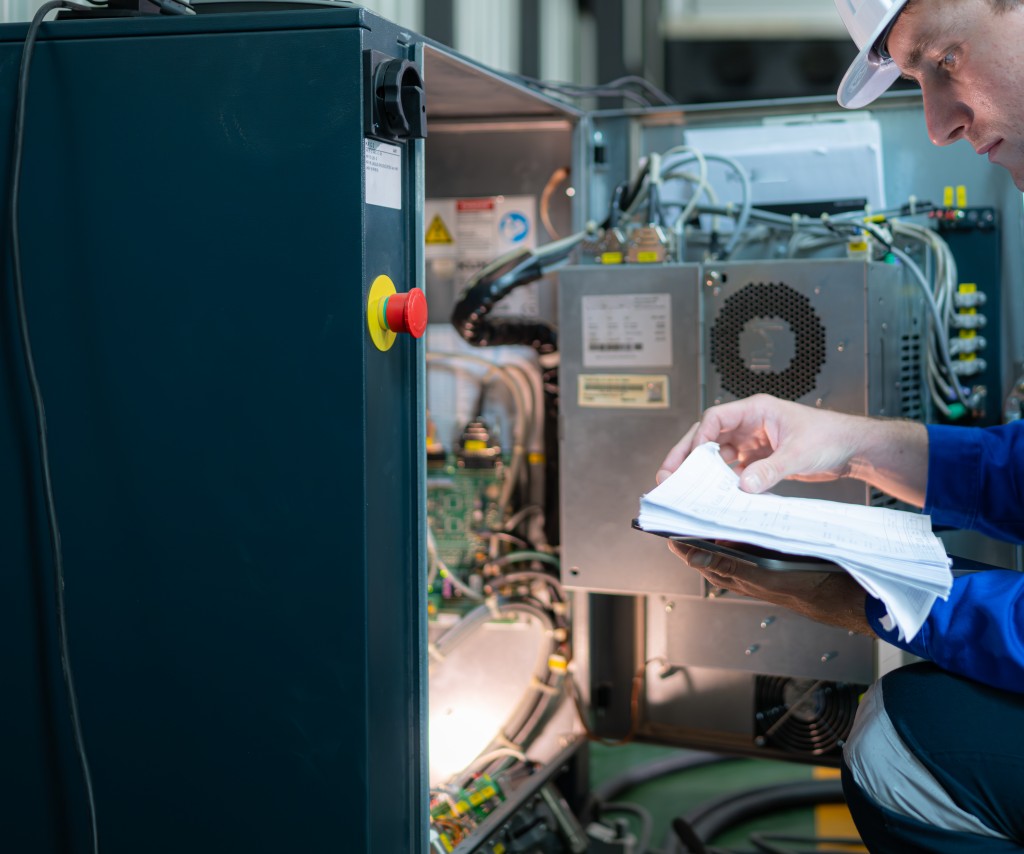
Triage. Make safe. Diagnose. Clear next step.
When an electrical fault disrupts the site
When reactive electrical support is the right route
Reactive support is for an unexpected electrical problem that needs timely diagnosis or safe action. You do not need to identify the cause before contacting us. Describe what has stopped, tripped or changed, and what the fault is affecting.

You have no power or partial power
A building, floor, production area or essential circuit has lost supply. The first task is to establish what is affected and whether the problem sits within the site installation or needs another provider.

Protection keeps tripping or the fault is intermittent
RCDs, RCBOs, MCBs or other protective devices trip repeatedly, will not reset safely or behave differently from normal, or an electrical fault appears and disappears without a clear cause.

There are signs of heat, burning or damage
Heat, discolouration, burning smells, arcing, impact damage or water ingress can indicate a potentially unsafe condition that needs controlled assessment and appropriate action.
Need agreed response arrangements, priorities or combined planned and reactive support? See Electrical Maintenance Contractor.
Fault finding, make-safe and practical restoration
What a reactive electrical callout can cover
A reactive attendance focuses on the reported electrical problem and the work that can be completed safely within the available access, time, competence and site controls. The scope is confirmed after the affected installation can be assessed.
Targeted electrical fault finding
Investigation can cover affected distribution equipment, circuits, isolators, protective devices, fixed supplies and electrical connections, using suitable inspection and testing to narrow the cause of the reported fault.

Make safe, restore or repair where practicable
The immediate electrical risk can be controlled, damaged equipment or circuits isolated and unaffected supplies restored where technically suitable. Minor repair or component replacement can be completed where parts, authority and conditions allow.
Clear boundaries and specialist interfaces
Utility-network failures, specialist machinery internals, lifts, fire-alarm systems, HVAC controls, IT systems, high-voltage equipment and manufacturer-only work are not assumed within a general callout. WB can identify the electrical interface and set out the next route.
For connected needs, use Thermal Imaging & Condition Monitoring, Electrical Equipment Servicing, Compliance Testing or Backup & Standby Power Systems.
From first fault report to a controlled handover
What happens during a reactive electrical callout
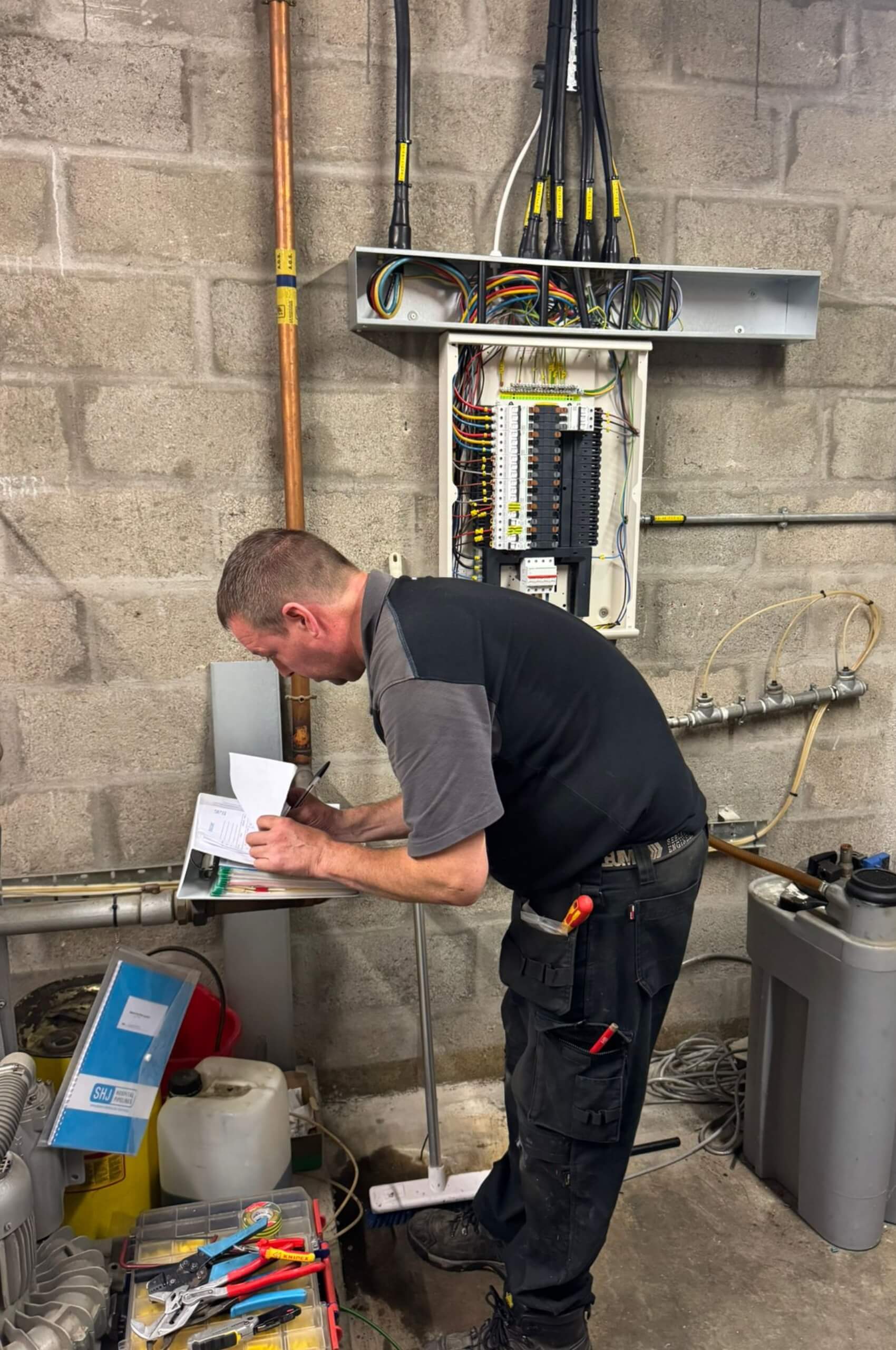
The exact response depends on the fault and site conditions, but the useful sequence is consistent: understand the symptoms, control electrical risk, diagnose the affected installation and leave a clear operating condition or repair route.
01
Triage the fault and site impact
Confirm the site, symptoms, immediate safety indicators, affected operations, local contact, access controls and anything the site team has already observed or isolated.
02
Make safe and diagnose
On site, review the affected area and isolation arrangements, control the immediate risk and use appropriate inspection and testing to narrow the fault. Work dead wherever reasonably practicable and follow site controls.
03
Restore, repair or define the follow-on work
Where safe and practicable, restore or repair the affected supply or equipment. If permanent work needs parts, a shutdown or specialist input, record the temporary condition, restrictions and agreed next step.
Smoke, fire, electric shock or immediate danger should be dealt with through the site emergency procedure and emergency services where required. Keep people clear, and only isolate equipment or circuits where a competent, authorised person can do so safely.
Need to report an unexpected electrical fault? Send the fault details to WB.
A make-safe visit should still end clearly
Know what was found and what happens next
A practical callout record
- Reported symptoms, affected area, circuit or equipment and operational impact.
- Isolations, repairs, replacement parts and testing completed within the agreed attendance.
- Findings, photographs where useful, access limitations and anything that could not be safely assessed.
- Supply or equipment status, operating restrictions, outstanding parts and recommended follow-on work.
The handover should help the site team understand what failed, what was made safe or restored, what remains restricted and whether the next step is a repair quotation, planned shutdown or specialist attendance.
A safe outcome is not always a first-time fix
- Repaired or restored: the affected electrical work is completed and the operating status is confirmed.
- Made safe with restrictions: the immediate risk is controlled but part of the installation or equipment remains isolated or unavailable.
- Parts, shutdown or wider investigation required: the permanent repair needs preparation beyond the first attendance.
- Another provider or specialist required: the fault sits with the utility network, equipment manufacturer or a specialist system outside the agreed WB scope.
A callout is not automatically a full EICR or condition survey. Any inspection, testing or certification completed should reflect the actual electrical work and scope, with wider compliance needs routed separately.
Where repeat faults or a larger repair programme is identified, WB can coordinate the follow-on work through the wider electrical maintenance service.
Reactive support proven across an operational estate
Reactive electrical support for the Scottish Ambulance Service
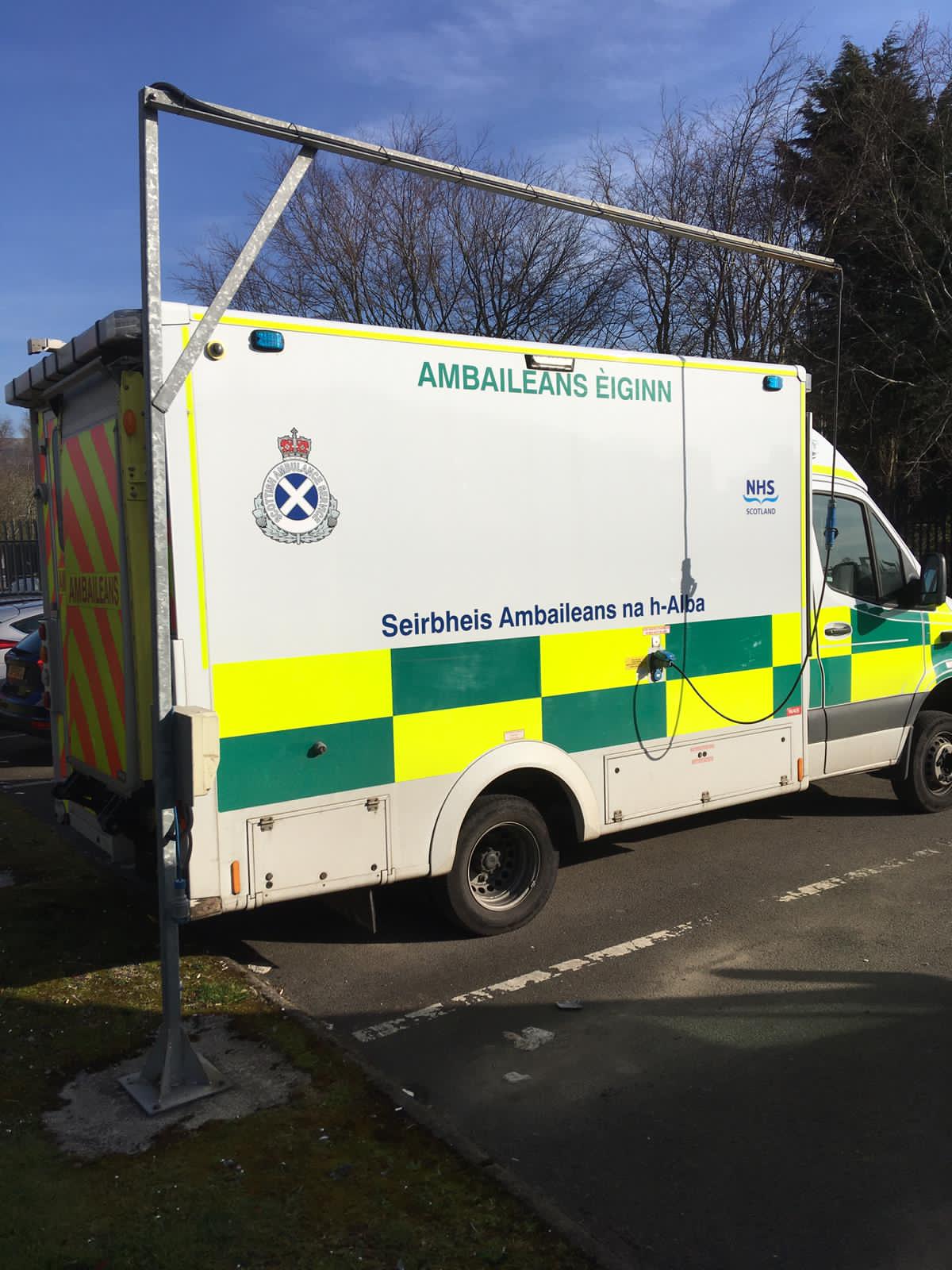
Scottish Ambulance Service
WB Electrical has supported the Scottish Ambulance Service since 1990 across more than 184 locations and 12 contract areas. The published relationship includes day-to-day electrical fault finding, distribution and panel repairs, lighting faults, charger issues and wider reactive maintenance.
The Scottish Ambulance Service support model included 24/7 on-call attendance, including public holidays. That response arrangement was contract-specific and is not presented as a universal WB promise for every client or enquiry.
Supplier assurance
Review WB’s current electrical contractor memberships, management-system certificates and accreditation evidence as part of your supplier assessment.
Practical answers before you report a fault
Reactive electrical callout questions
What counts as a reactive electrical callout?
An unplanned electrical problem needing timely diagnosis or safe action, such as loss of power, repeated tripping, overheating, damaged electrical equipment, failed circuits or a supply fault affecting operations.
Do you provide guaranteed 24/7 emergency attendance?
Round-the-clock support is available only for contracted critical sites and selected clients where it has been specifically agreed. For other enquiries, WB confirms the earliest practical response after reviewing location, safety risk, access and current workload.
Can you guarantee the fault will be repaired during the first visit?
No. Some faults can be repaired during the first attendance, while others require parts, further investigation, specialist support or a controlled shutdown. The first priority is a safe, evidence-led outcome and a clear route to permanent repair.
What should we do if a breaker, RCD or RCBO keeps tripping?
Do not repeatedly reset a protective device. Disconnecting or isolating equipment should only be attempted where it is safe, authorised and consistent with the site procedure. Record what was operating when the trip occurred and arrange competent fault investigation.
What information helps WB triage a callout?
Provide the full site address and postcode, on-site contact, what has stopped or changed, any heat, smell, smoke, water or visible damage, the areas or operations affected, board or circuit references if known, access controls and useful photographs taken without exposing live parts.
Connected services after or around a fault
Related electrical maintenance services

The same fault keeps returning
Use planned preventative maintenance when repeat faults, condition history or recurring defects show that the site needs a structured maintenance programme rather than isolated callouts.
You need condition evidence before failure
Use a defined thermal imaging and condition-monitoring scope where abnormal heating, repeat loading concerns or selected assets need baseline and repeat evidence over time.

You need agreed response arrangements
Use the contractor page for combined planned and reactive arrangements, procurement questions, agreed priorities and response terms across one site or a wider estate.
Explore the Preventative & Reactive Maintenance service family
Share the site, fault and immediate safety concerns
Request reactive electrical support
Send the information you already have. WB will review the reported fault, immediate risk, site location, affected operations, access and site controls before confirming availability and the next practical step.
Information that helps us triage the callout
- Company or organisation, full site address, postcode and on-site contact.
- What has stopped, tripped, changed or become unsafe, and which operations are affected.
- Any heat, smell, smoke, water ingress or visible damage, plus board, circuit or equipment references if known.
- Induction, permits, escorts, secure rooms, access restrictions and any authorised isolation already completed.
- When the fault began, whether it is intermittent, previous occurrences and the required decision or attendance timescale.
Mention useful photographs or previous reports in the quote form. The office will confirm a suitable way to share them. Do not remove electrical covers or approach exposed live parts to take photographs.
What affects reactive callout cost?
Site location, attendance timing, fault complexity, access, safe isolation, testing, parts, specialist support and whether a return visit or planned shutdown is needed all affect cost. A callout fee cannot predict the final repair before diagnosis.
The next step may be an attendance, a make-safe action, a repair quotation or a planned shutdown. Out-of-hours or priority response, parts, specialist work and formal testing are included only where the commercial arrangement states them.
Based in Larkhall, we support commercial and industrial fault enquiries across Glasgow, Lanarkshire and the Central Belt. Wider Scottish callouts are considered by location, urgency, access and engineer availability.