
For facilities, engineering and maintenance teams
Electrical Equipment Servicing & Maintenance in Scotland
Plan servicing around the electrical assets your site actually relies on. WB Electrical supports agreed distribution equipment, isolators, fixed supplies and electrical interfaces with defined tasks, safe access and clear follow-up.
From our Larkhall base, we support commercial, industrial and public-sector sites across Glasgow, Lanarkshire and the Central Belt. Wider Scottish and multi-site servicing requirements are considered by agreement.
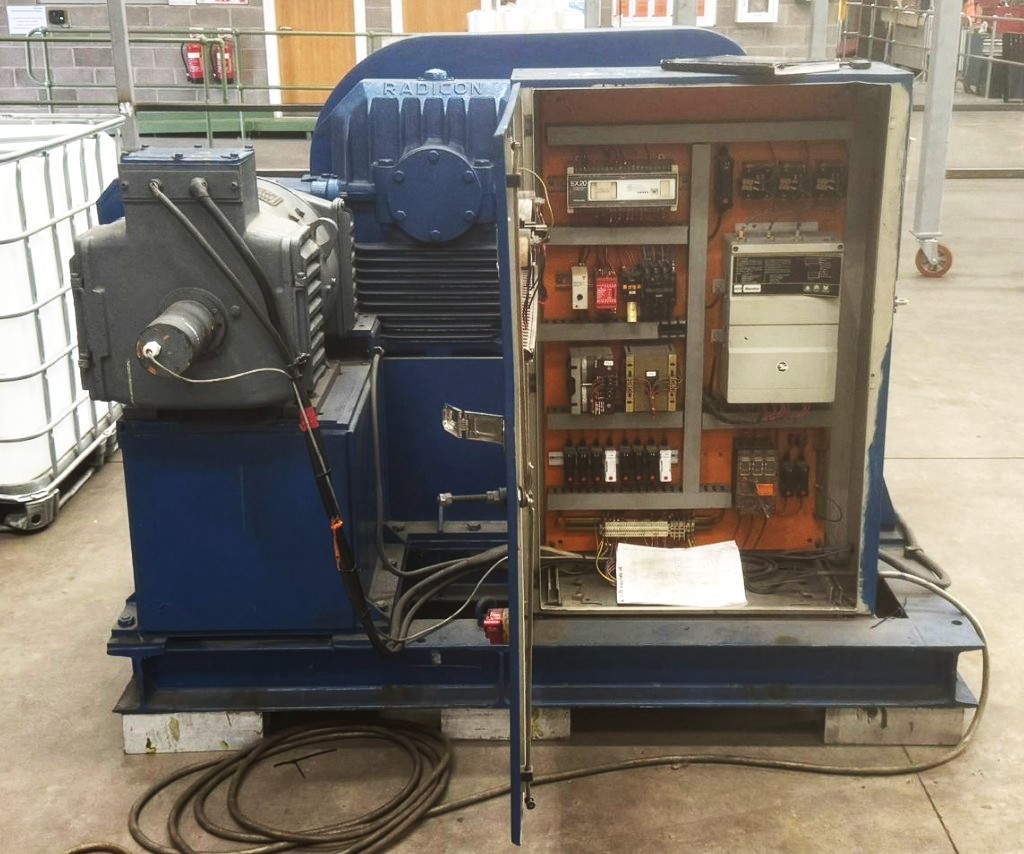
Named assets. Defined tasks. Clear follow-up.
Servicing built around the asset and operating need
When electrical equipment servicing adds value
Electrical equipment servicing is most useful when the asset, maintenance task and operating conditions are clearly defined. The scope should reflect what the equipment does, how it is used, available manufacturer information, its condition and the consequences of an avoidable failure.

You have named assets with recurring maintenance needs
Distribution boards, isolators, fixed supplies, control enclosures or other agreed electrical assets need planned attention rather than being dealt with only after a fault.

You have a shutdown window to use well
A planned outage creates an opportunity for isolated access, cleaning, inspection, tightening, component replacement or other task-specific maintenance that cannot be completed safely during normal operation.

You need follow-up after faults or repeated defects
A repaired or troublesome asset needs a defined return to routine maintenance, with the work completed, remaining restrictions and future servicing needs recorded against the equipment.
Need to bring several servicing tasks into one recurring programme? See Planned Preventative Maintenance.
Defined electrical assets and specialist boundaries
What an electrical equipment servicing scope can include
The servicing scope should name the equipment, task, operating condition, exclusions and required records. Suitable low-voltage work can include agreed distribution equipment, isolators, protective devices, fixed supplies and electrical interfaces where WB can safely and competently undertake the defined activity.
Distribution boards and switchgear
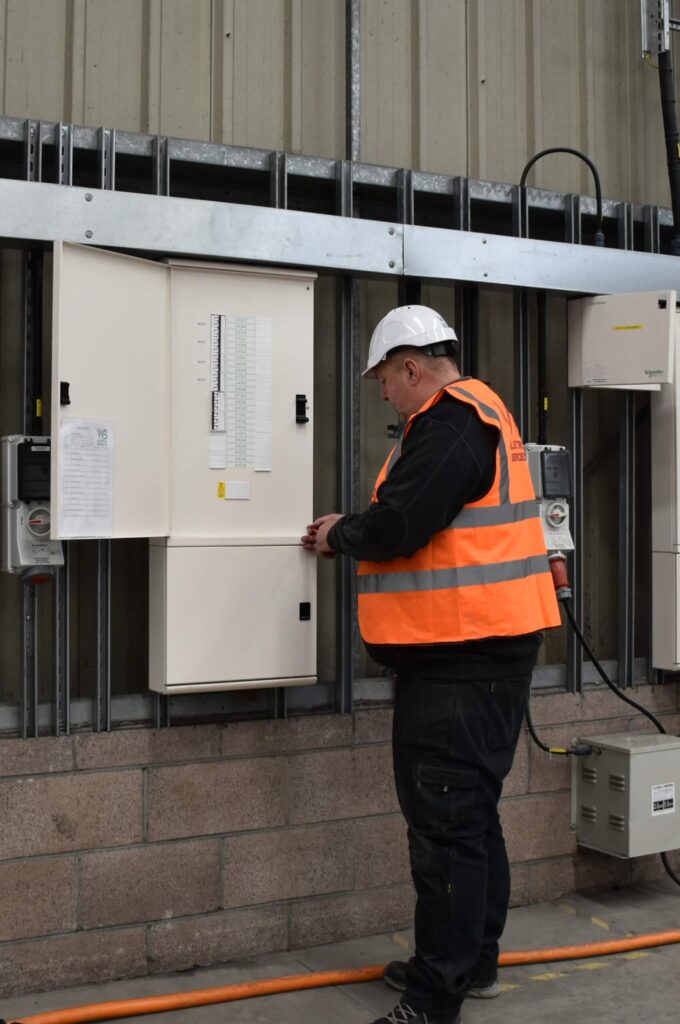
Main and sub-distribution equipment, protective devices, enclosures, connections and associated isolators can be included for task-specific servicing where the installation, access and isolation arrangements support the work.

Isolators, fixed supplies and connection points
Local isolators, protective devices, fixed equipment supplies and connection points can be included where the asset boundary is clear. The internal maintenance of the connected machinery or specialist system is not assumed.
Control enclosures and plant electrical interfaces
Contactors, starters, control enclosures and electrical interfaces can be considered where the electrical task is defined. PLC programming, process logic, mechanical servicing, high-voltage equipment and manufacturer-controlled internals remain separate unless specifically assessed and agreed.
Use Thermal Imaging & Condition Monitoring where repeat condition evidence is the main need, Compliance Testing for formal EICR, emergency-lighting or PAT requirements, and Backup & Standby Power Systems for UPS, standby and changeover equipment.
Safe access, isolation and task-specific maintenance
Plan servicing around access and safe isolation
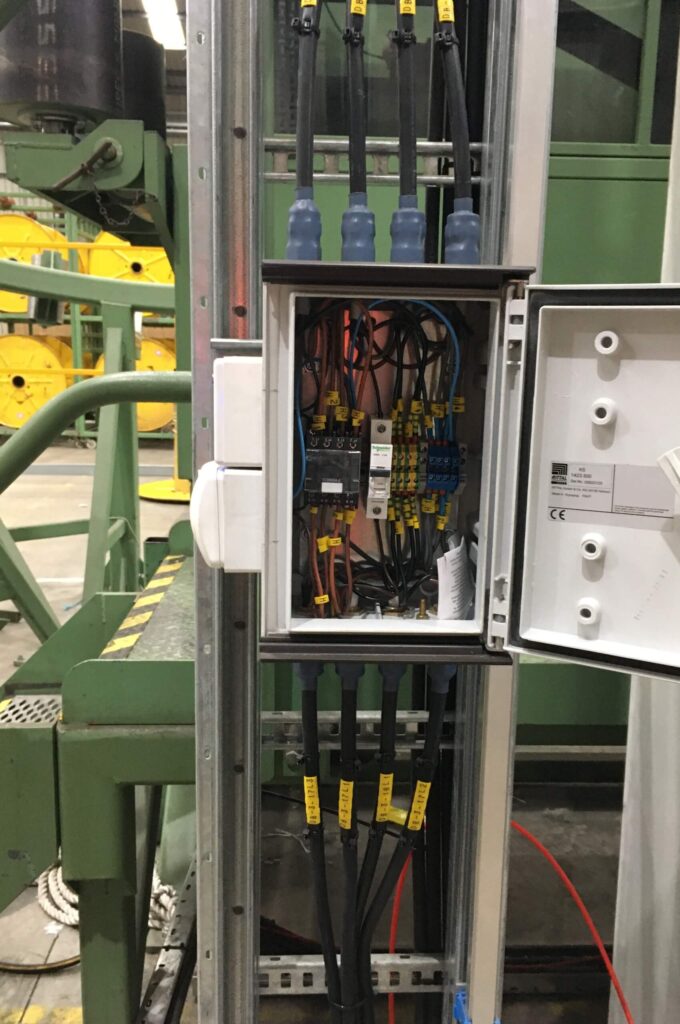
Servicing must fit the equipment and the site around it. Identify the asset, energy sources, critical loads, permits, manufacturer information and suitable isolation window before intrusive work begins, then coordinate any specialist attendance needed for connected plant or controls.
01
Review asset information and service history
Use available drawings, asset lists, manufacturer information, previous service records, fault history and site knowledge to define the equipment and the task that is actually required.
02
Agree the task, access and safe isolation
Confirm the site contact, work area, permits, escorts, shutdown window, isolation controls and who can authorise minor repairs or additional work. Manufacturer or process specialists are coordinated where the equipment boundary requires them.
03
Service, verify and record
Complete the agreed task-specific maintenance, inspect or test the completed electrical work where appropriate, record limitations and identify defects, parts, specialist actions or future servicing needs.
Intrusive servicing should not proceed simply because a shutdown is inconvenient. If the equipment cannot be safely isolated, accessed or handed over within the agreed controls, record the limitation and resolve the method before the work is treated as complete.
Not sure whether WB, the manufacturer or another specialist should own the task? Send the equipment information and servicing objective for review.
Useful maintenance history around the equipment
Turn servicing into clear maintenance actions
A practical servicing record
- Equipment or asset references and the servicing activities included in the visit.
- Work completed, components or consumables changed and any task-specific checks or measurements recorded.
- Condition findings, photographs where useful, limitations and any equipment that could not be safely accessed or isolated.
- Recommended actions, specialist interfaces, parts requirements and the agreed approval or follow-up route.
The record should help the facilities or engineering team understand what was serviced, what remains open and whether the next step is routine monitoring, a planned repair, a shutdown task or manufacturer/specialist attendance.
Findings should lead to the right owner and next step
- Immediate concern: raised promptly with the nominated site contact and made safe where the agreed authority and conditions allow.
- Planned electrical remedial: scoped for approval, parts, access and a suitable work window.
- Monitor or re-service: retained for comparison where condition, duty or recurring performance needs another planned review.
- Specialist or formal route: passed to the manufacturer, controls specialist or relevant inspection/testing service where that competence or documentation is required.
A servicing visit does not automatically create an EICR, PAT record or manufacturer service certificate. Any certificate or test record should relate only to work or testing that was actually included and completed.
Where suitable electrical defects are found, WB can define a separate repair or improvement scope through the wider electrical maintenance service. Manufacturer-only work, mechanical servicing and specialist control tasks remain with the appropriate owner.
Long-term electrical equipment support in industrial environments
Experience supporting electrical equipment in working industrial sites
Bridon-Bekaert
WB Electrical has supported Bridon-Bekaert since 2014 across industrial facilities in Coatbridge and Grangemouth. The published relationship includes planned maintenance, electrical checks and diagnostics, control-component replacements, sensors, emergency stops, equipment cabling and machinery-related electrical work.
This demonstrates electrical support around operating equipment, access, isolation and changing production needs. It does not mean every machinery service task or manufacturer-controlled internal component is automatically within WB’s scope for another site.
Supplier assurance
Review WB’s current electrical contractor memberships, management-system certificates and accreditation evidence as part of your supplier assessment.
Practical answers before you book
Electrical equipment servicing questions
What is electrical equipment servicing?
It is planned maintenance on agreed electrical assets and interfaces. Depending on the equipment and task, a visit can include record review, visual condition checks, isolated inspection, task-specific maintenance, minor component work, suitable functional checks and clear defect reporting.
What types of electrical equipment can WB service?
Common examples include distribution boards, switchgear, isolators, protective devices, fixed equipment supplies, contactors, starters and control enclosures. The exact scope depends on the asset, manufacturer information, competence required and whether internal machinery, mechanical or specialist-control work is involved.
Will the equipment need to be shut down?
Some observations or suitable functional checks may be possible during normal operation, but intrusive servicing normally needs safe isolation. WB agrees the shutdown window, permits, sequencing, energy-isolation controls and any specialist coordination before that work begins.
How often should electrical equipment be serviced?
There is no single interval for every asset. Frequency should reflect the equipment, manufacturer information, duty, environment, condition, fault history, criticality and the evidence from previous servicing or inspection, then be adjusted when that evidence changes.
Does servicing replace an EICR, PAT or manufacturer service?
No. Servicing is a maintenance activity for agreed assets. EICR and PAT have separate inspection/testing purposes, while some equipment requires manufacturer or specialist servicing. The activities can be coordinated, but the scope, competence and records should remain clear.
Connected services around the equipment
Related electrical maintenance services

You need a wider planned maintenance programme
Use planned preventative maintenance to combine equipment servicing, condition checks, defect follow-up and other recurring activities within one site or multi-site schedule.
A fault needs attention now
Use reactive electrical callouts for an unexpected fault, loss of supply, repeated tripping or equipment issue that needs triage, make-safe work or diagnosis rather than a routine servicing visit.

You need formal inspection or testing
Use compliance testing where the main requirement is an EICR, emergency-lighting test, PAT programme or another formal inspection/testing record rather than equipment servicing.
Explore the Preventative & Reactive Maintenance service family
Share the site, equipment and servicing objective
Plan electrical equipment servicing
Send the information you already have. WB will review the site, equipment, operating pattern, shutdown needs, service history and required records before confirming whether the next step is a quotation, survey, planned visit or specialist referral.
Information that helps us quote
- Company or organisation, site address, postcode and number of locations.
- Equipment types, approximate quantities and the operations or services they support.
- Asset lists, manufacturer information, diagrams, previous service records, faults and repairs where available.
- Operating hours, shutdown windows, permits, escorts, access restrictions and isolation controls.
- Servicing objective, required records, specialist interfaces, timescale and purchase-order process.
Mention any available equipment schedules, manuals, service records or photographs in the quote form. The office will confirm a suitable way to share them. Do not remove electrical covers or bypass guards to take photographs.
What affects electrical equipment servicing cost?
Equipment quantity and complexity, task scope, safe isolation, working hours, shutdown duration, parts, specialist attendance, travel and the required records all affect price. Manufacturer-controlled work or major remedials are priced separately where needed.
The next step may be a quotation, equipment-information review, site survey or planned servicing visit. Formal testing, parts, manufacturer attendance and larger remedials are included only where the agreed proposal states them.
Based in Larkhall, we support suitable electrical equipment servicing across Glasgow, Lanarkshire and the Central Belt. Multi-site and larger requirements elsewhere in Scotland are considered by agreement.