
For workplaces, facilities teams and managed estates
Commercial PAT Testing in Scotland
Arrange portable appliance inspection and testing with WB Electrical. Establish which equipment needs checking, plan access around your staff and receive clear results with practical advice on failed items.
From Larkhall, we support workplaces across Glasgow, Edinburgh, Lanarkshire and the Central Belt, with larger or multi-site requirements elsewhere in Scotland considered by agreement.
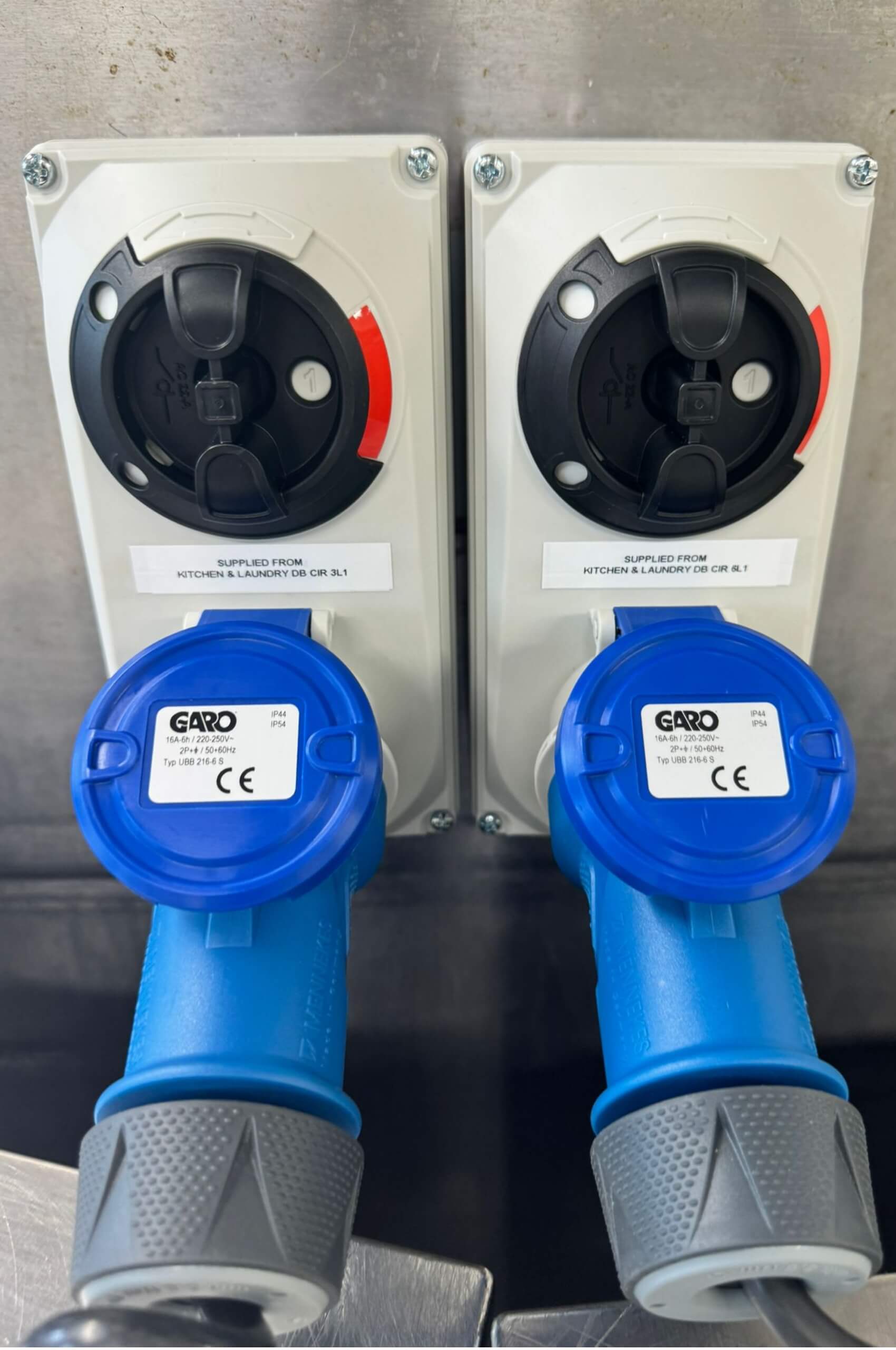
Agreed equipment. Planned access. Useful records.
Start with your equipment and how it is used
When to arrange workplace PAT testing
PAT testing forms part of an equipment maintenance plan. User checks, formal visual inspections and appropriate electrical tests work together; the right combination depends on the equipment and its working environment.

Your programme needs a review
Your planned inspection is due, you have inherited incomplete records, or equipment has moved between sites. Start with the existing register and any reported faults.

Someone needs evidence
A customer, insurer, facilities manager or site operator has requested equipment-safety records. Share the actual requirement and deadline so we can confirm the right scope.

Equipment gets demanding use
Portable tools, cleaning equipment, shared appliances and leads can suffer repeated wear. A workshop or construction site may need a different approach from a quiet office.
A defined equipment list and a suitable method
What our PAT testing visit covers
Typical items include plug-in office equipment, mains chargers, kitchen appliances, portable tools and extension leads. Agree detachable leads, portable residual current devices (RCDs) and any specialist connections when building the list.
Visual inspection
Check accessible plugs, cables, connectors and equipment condition for damage, overheating or unsuitable use. A satisfactory electrical reading does not cancel out a dangerous visible defect.

Appropriate electrical tests
Select checks for the equipment type and manufacturer information, using suitable test equipment. Sensitive electronics and unusual supplies need an agreed approach.
Identification and results
Record the equipment reference, inspection or test outcome and any defects. Agree labels and the reporting format, with inaccessible or untested items identified separately.
Hardwired equipment can need in-service inspection too. Confirm responsibility and scope so it does not fall between PAT testing and the EICR. Machinery, medical equipment and hazardous-area assets may require separate specialist checks.
Coordinate the people, equipment and time off supply
Plan testing around your working day
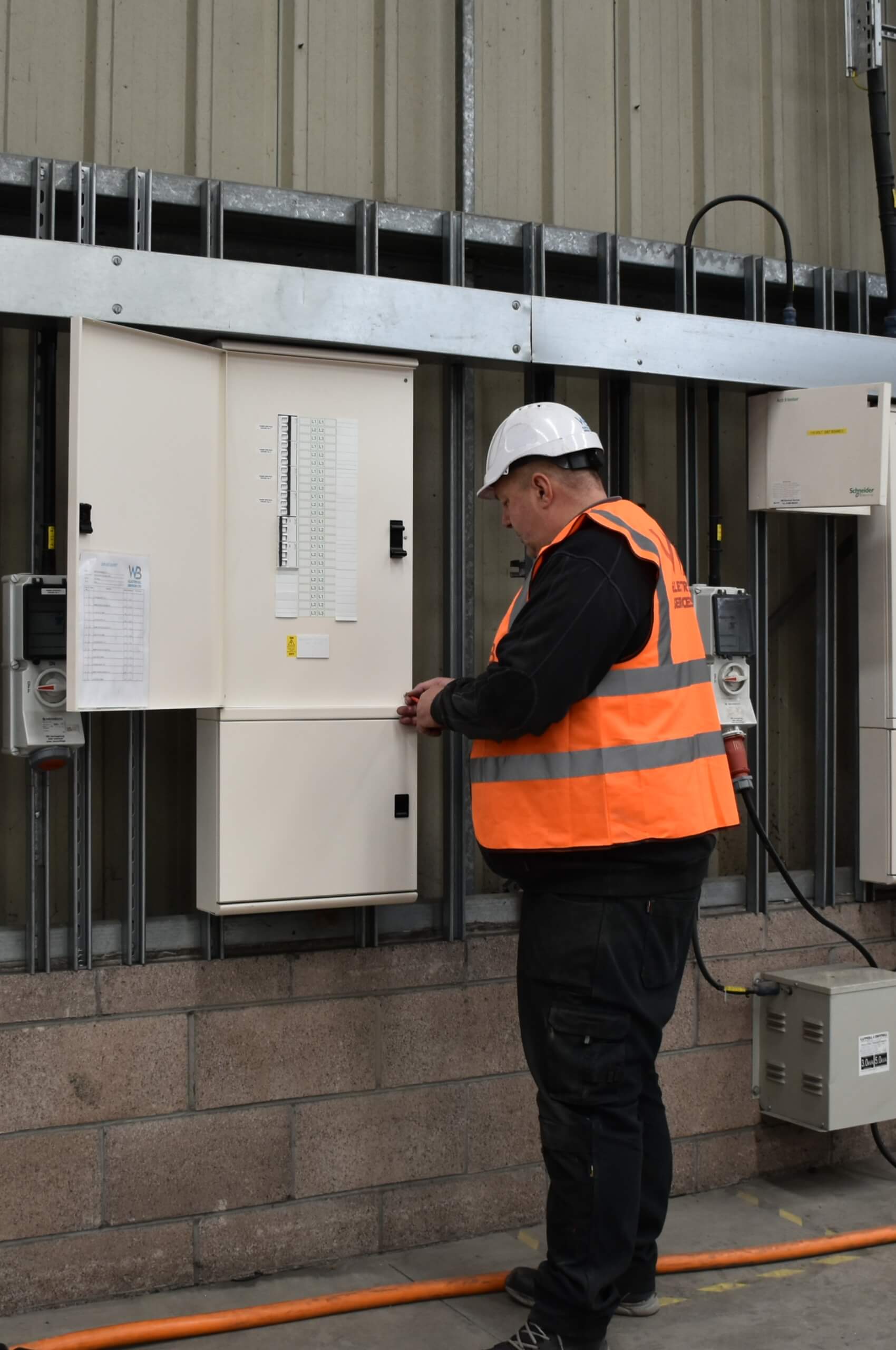
Some equipment needs to be switched off and disconnected for testing. Flag servers, refrigeration, security equipment and other critical loads before the visit. Agree shutdown, restart and any continuity arrangements with the people responsible.
01
Map the equipment and ownership
Share the approximate item count, work areas and last register. Include staff-owned, leased or contractor equipment where relevant and agree who is responsible for each group.
02
Agree access and timing
Identify a site contact and arrange access to occupied desks, locked rooms and equipment away from site. Phased or out-of-hours visits can be considered by agreement.
03
Inspect, communicate and hand back
Complete the agreed checks, raise failures promptly and record any equipment not accessed. Coordinate reconnection and handback with the nominated site or IT contact.
An item that cannot be disconnected or found needs a recorded follow-up plan. It must not appear as a pass for checks that were not completed.
Need to fit testing around staff or critical equipment? Discuss your PAT testing visit with WB.
Clear findings and a manageable follow-up list
Know what passed and what needs action
Records your team can use
- Site, date and equipment references.
- Completed inspections, applicable tests and results.
- Failed items, defect notes and agreed actions.
- Missing, inaccessible or untested equipment.
Agree asset names and locations before a multi-site programme so reports remain consistent. Keep the results with subsequent repair and re-test records.

Deal with failures promptly
Faulty equipment should be taken out of use and prevented from being used again until made safe. We explain the defect and discuss repair, replacement or specialist referral as appropriate.
Additional repairs and re-tests are agreed before proceeding. Keep an owner against each outstanding action so a failed or unavailable item does not disappear from the maintenance record.
The dutyholder sets the ongoing inspection and testing programme using risk, equipment use and findings, with competent advice where needed. User checks and defect reporting continue between visits.
Relevant experience at operational premises
Equipment testing within a working estate

Scottish Ambulance Service
WB’s Scottish Ambulance Service case study includes portable appliance testing within its wider electrical support work. It describes local coordination, defined work scopes and task-specific testing records across operational premises.
For your estate, we agree the equipment list, site contacts and required records for each location. The service scope and attendance arrangements are confirmed for your organisation.
Supplier assurance
Check WB’s current contractor and management-system evidence. Share any procurement requirements or requested report format before booking.
Practical answers before you book
PAT testing questions
Is annual PAT testing compulsory for every workplace item?
No. The Electricity at Work Regulations require maintenance to prevent danger, but do not set a universal annual PAT test. The appropriate checks and intervals depend on risk. Also consider relevant contractual, insurer and premises-specific requirements; these may specify additional evidence.
Will we receive a PAT testing certificate?
We provide the agreed inspection and test record with equipment references and results. If someone has requested a “PAT certificate”, share their wording before booking. The document covers the stated equipment and checks, not the whole building or its future safety.
Does new equipment need a PAT test before use?
New equipment does not normally need formal PAT testing before first use, but a visual check for damage is sensible. Second-hand, hired, repaired or modified equipment needs its own assessment; do not treat it automatically as new.
Can our own staff carry out some checks?
Yes, where they have the competence for the task. User checks and formal inspection are different from combined inspection and electrical testing. Whoever performs testing needs suitable equipment and the knowledge to use it and interpret results.
How long will the visit take?
Item count is only part of the picture. Equipment types, accessible plugs, staff availability, working areas and reporting needs all affect the programme. Share these details so we can propose a realistic visit or sequence of visits.
Keep the wider electrical programme coordinated
Related testing and maintenance services
Fixed wiring also needs inspection?
An EICR assesses the building’s electrical installation. Equipment inspection has a separate scope.

Emergency lighting tests are due?
Arrange the appropriate functional or duration test and keep its results with the fire safety records.
Several maintenance tasks to manage?
Discuss a programme across your equipment and premises, with responsibilities and follow-up agreed.
Share your equipment count and working arrangements
Request a PAT testing quotation
Tell us what needs checking and where it is used. An approximate list is enough to start; we will confirm what needs clarifying before pricing.
Information that helps us quote
- Company, site address and postcode, or a site list.
- Approximate item count and main equipment types.
- Existing register, previous results and known defects.
- Required deadline, working hours and access restrictions.
- Critical equipment, site contact and any reporting requirements.
Mention available documents in the enquiry. The office will confirm how to share them.
What affects PAT testing cost?
Equipment numbers and types, access, travel, phased attendance and reporting needs affect the price. Agree how appliances and detachable leads are counted, any minimum attendance charge and VAT when comparing quotations.
We confirm the included inspection and testing. Repairs, replacements and return visits are identified separately unless expressly included.
For a home or residential letting enquiry, use the domestic quote route.