
For business premises and operational estates
Commercial EICR & Fixed Wire Testing in Scotland
Electrical Installation Condition Reports for commercial, industrial and public-sector premises. Understand the condition of your fixed wiring, the issues that need attention and the next steps.
From our Larkhall base, we plan inspections across Glasgow, Lanarkshire and the Central Belt around access, critical circuits and agreed shutdowns.
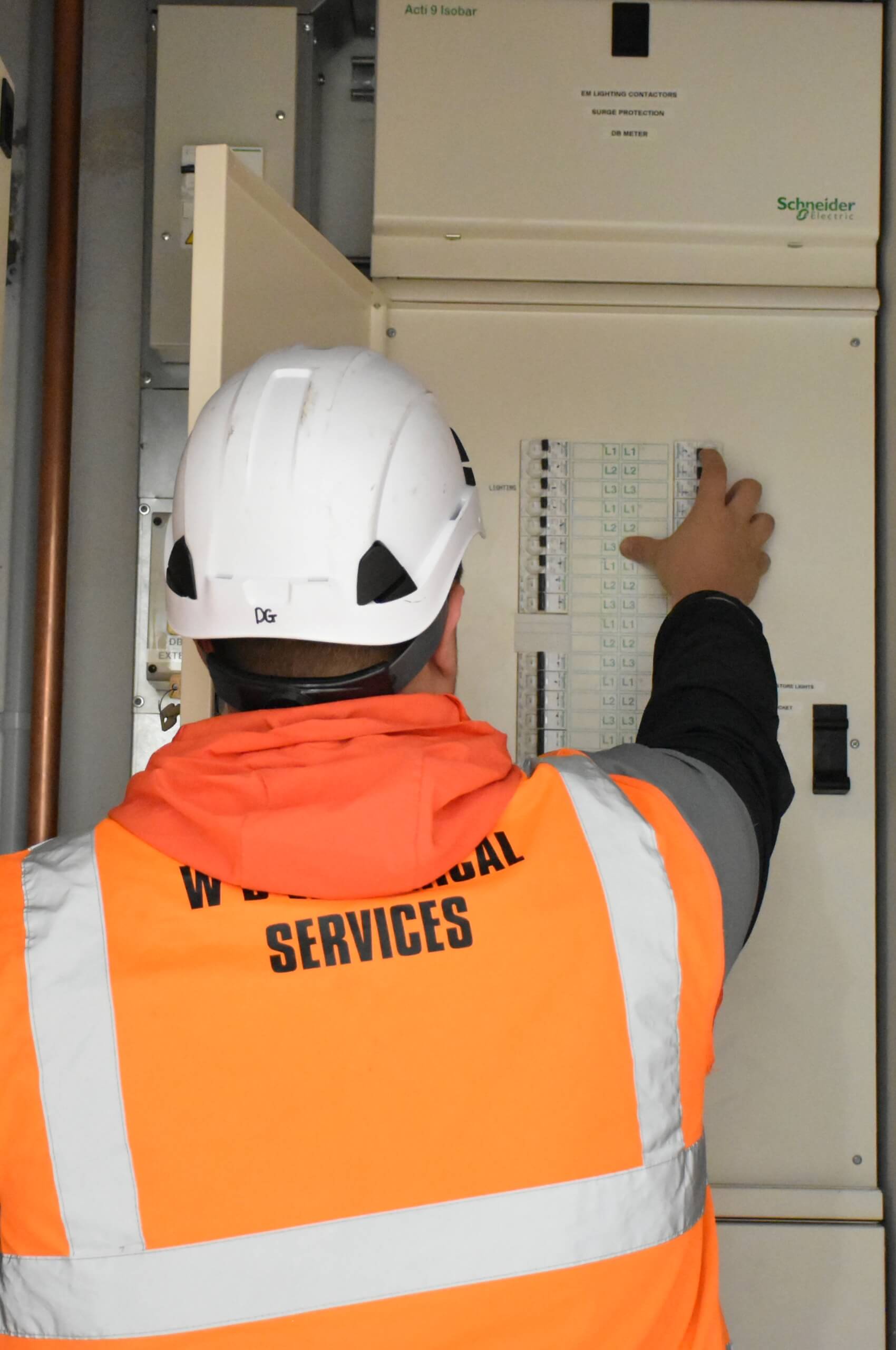
Agreed scope. Clear findings. Practical follow-up.
The right inspection for your premises
When your premises need an EICR
An EICR records the condition of an existing fixed electrical installation through inspection and testing. It helps the people responsible for a building decide what needs attention and keep an informed record of electrical safety.

Your inspection is due
Your previous report recommends another inspection, records are missing, or your facilities team needs a coordinated programme across several properties.

Someone has requested evidence
An insurer, commercial landlord, managing agent or auditor has asked for an electrical report. Share the written request so the scope addresses the actual requirement.

Your premises have changed
You are taking on a unit, changing its use or planning refurbishment. Reviewing the existing installation can help identify issues before you commit to further work.
For a home or residential letting, use the domestic quote route.
Fixed wiring, defined scope
What the inspection covers
Commercial fixed wire testing concerns the building’s electrical installation. The agreed scope can include single-phase and three-phase distribution, final circuits, sockets, lighting circuits, earthing and bonding.
Installation condition
Inspection looks for deterioration, damage and conditions that could affect electrical safety, including the suitability of accessible distribution equipment and wiring accessories.

Electrical testing
Appropriate tests assess protective measures and circuit condition. These can include continuity, insulation resistance, polarity, earthing arrangements and residual current device (RCD) operation.
Defined extent and limitations
We agree which buildings, boards and circuits are included. Restrictions and their implications are recorded, with necessary access or follow-up explained.
Portable appliance testing, emergency-lighting duration tests and specialist machinery checks have separate purposes and scopes. Tell us about hazardous areas, generators, solar PV or battery systems when enquiring so the relevant interfaces can be assessed.
Access, shutdowns and a clear sequence
Plan testing around your operations
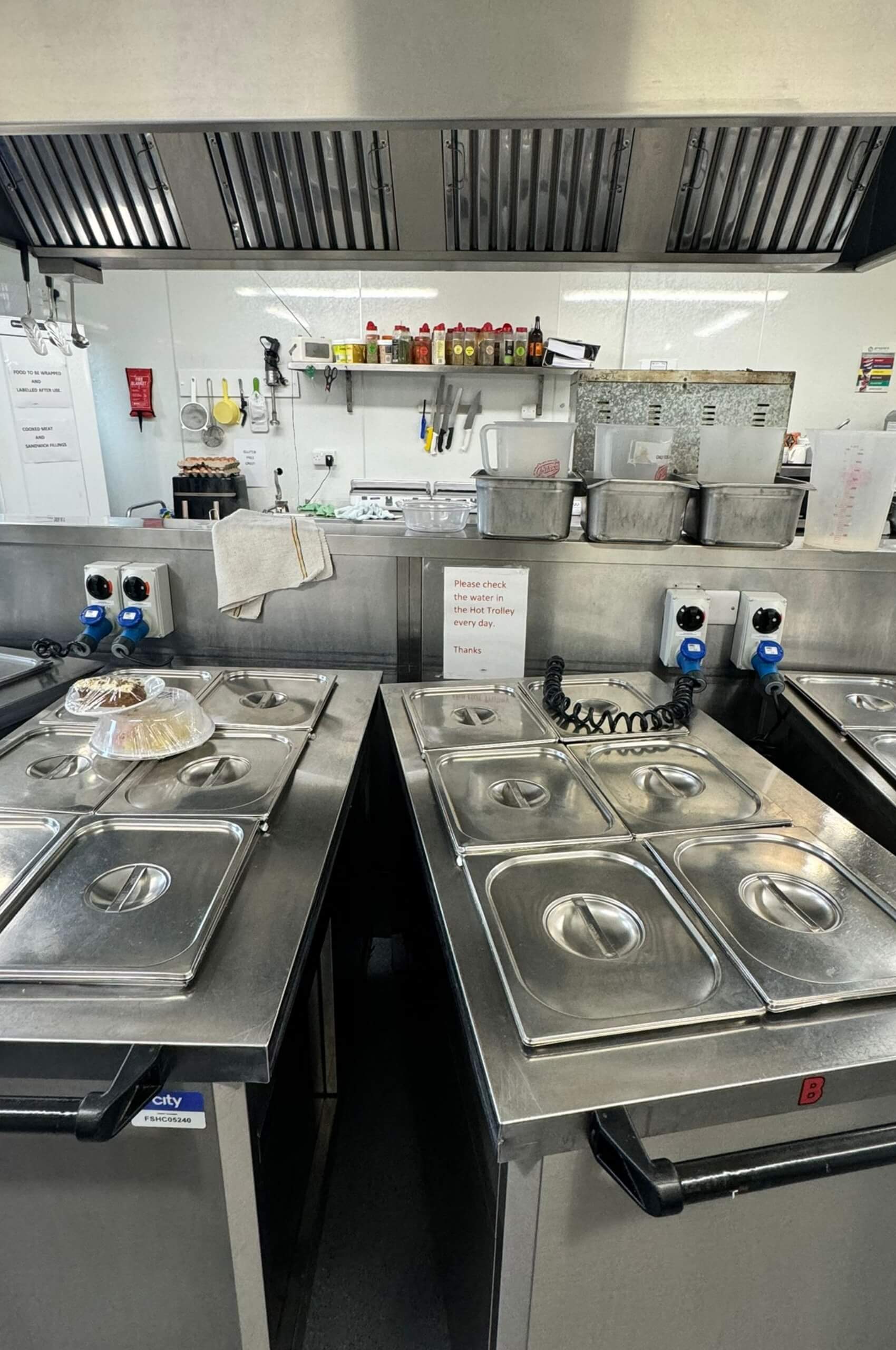
Some inspection and testing requires the power to be switched off. Identify production equipment, servers, refrigeration, security and other critical loads early so the isolation plan reflects how your site works.
01
Review the site information
Previous reports, board schedules, operating hours and known defects help define the inspection and identify what needs clarification.
02
Agree access and isolations
We discuss the affected circuits, site contact, shutdown windows and safe reinstatement. Phased visits or out-of-hours work can be considered by agreement.
03
Inspect, communicate and hand back
Findings are recorded against the agreed scope. Immediate danger is raised when discovered, with appropriate action to make the affected area safer.
A circuit that cannot be isolated is a planning issue to resolve. Any remaining limitation must be explained; an untested area must not be presented as having been verified.
Need to plan access or a shutdown? Discuss your EICR with WB.
From findings to a practical action plan
Understand your report and next steps
A usable record for your site file
- The extent of the inspection and any stated limitations.
- Inspection schedules, circuit information and test results.
- Observations, classification codes and the overall assessment.
- A recommendation for the next inspection, with relevant conditions.
An EICR describes the installation at the time of inspection. Keep it with subsequent investigation, repair and certification records so the history remains clear.
What the findings mean
- C1: an immediate danger requiring action straight away.
- C2: a potential danger requiring urgent remedial work.
- C3: an improvement is recommended.
- FI: further investigation is advised to clarify a potential safety issue. Arrange this promptly.
C1 or C2 observations mean an unsatisfactory assessment. We explain the overall result and any further-investigation advice on your particular report.
If work is needed: we can provide a separate remedial scope and quotation. Any immediate safety action, investigation, repairs and appropriate completion records should be clearly distinguished. See EICR remedial works.
Experience at operational premises
Experience across working estates
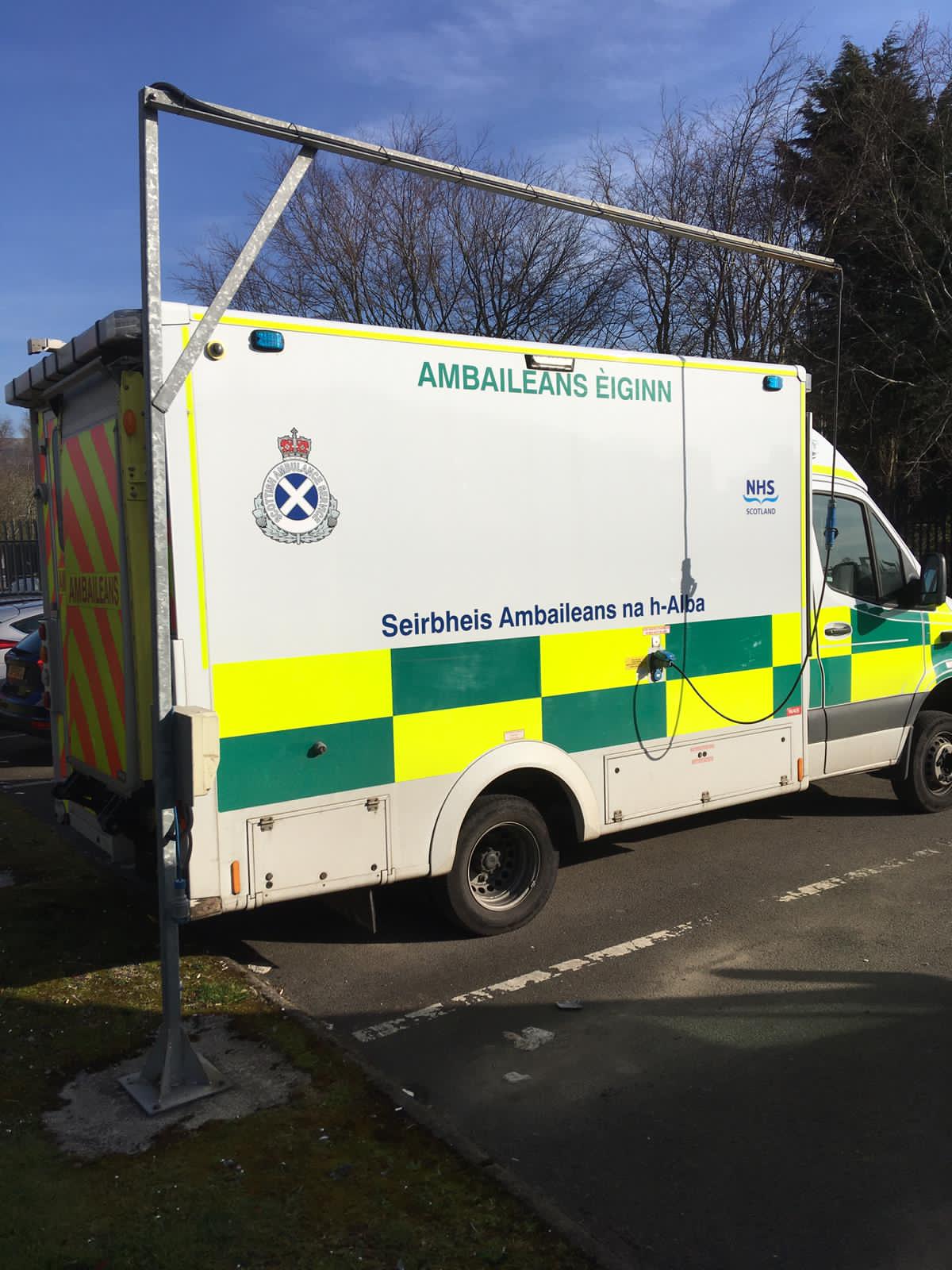
Scottish Ambulance Service
WB’s published case study describes electrical support across more than 184 locations and 12 contract areas, including inspection, testing and remedial work.
The relevant experience is coordinating electrical work at operational premises with different access arrangements, local contacts and handover needs. The programme for your premises is agreed around your own requirements.
Supplier assurance
Review WB’s electrical contractor membership, management-system certificates and current accreditation evidence before appointing us.
Practical answers before you book
Commercial EICR questions
How often should a commercial EICR be carried out?
Start with the recommendation on your previous report. The appropriate interval depends on the installation, its use, environment, maintenance and findings. A five-year interval is not an automatic rule for every business premises. Changes, faults or a specific written requirement may justify an earlier review.
Is a commercial EICR legally required in Scotland?
Workplace electrical systems must be maintained to prevent danger. An EICR is a recognised way to assess the fixed installation and support that duty, but there is no single statutory five-year EICR rule covering every commercial building. Check any premises-specific, lease, licence and insurance requirements as well.
How long does fixed wire testing take?
The number and type of circuits, board locations, access, existing records and isolation windows all affect the duration. Larger or continuously occupied premises may need several visits. We confirm the proposed inspection programme and reporting timescale after reviewing the scope.
Is an EICR the same as an electrical safety certificate?
People often search for an “EICR certificate”, but the document is a condition report on an existing installation. New installation work and alterations require the appropriate separate certification. If someone has requested a particular document, share their wording with us.
Does older wiring automatically mean an unsatisfactory report?
No. An installation built to an earlier standard is not automatically unsafe or in need of complete replacement. The inspector assesses its condition and the safety implications of the findings. Any proposed improvement or remedial work should have a clear reason.
Connected services for your site
Related testing and inspection services

An existing report needs action
Review the findings and arrange a separately defined repair package.
A particular asset needs a check
Targeted condition reviews of agreed equipment or areas, with their own scope.

Other tests are due
Coordinate visits while keeping each service and its records clear.
Tell us what your premises need
Request an EICR quotation
Tell us about your premises and what prompted the inspection. If you do not know the circuit count or have an old report, we can establish what information or site review is needed before pricing.
Information for your quotation
- Company or organisation, site address and postcode.
- Building use and number of buildings or locations.
- Previous report, board schedules or circuit count, if available.
- Any insurer or landlord request and the relevant deadline.
- Operating hours, critical equipment and access or shutdown restrictions.
Mention any documents or photographs in the form. The office will confirm a suitable way to share them. Please do not remove electrical covers to take photographs.
What affects commercial EICR cost?
Circuit numbers and complexity, board access, record quality, working hours and the inspection extent affect the price. A floor-area estimate alone may not describe the work.
The next step may be a quotation, a document review or a site visit. Remedial work is priced separately from the inspection unless expressly included.
Based in Larkhall, we support suitable commercial, industrial and public-sector work across Glasgow, Lanarkshire and the Central Belt. Larger, specialist and multi-site requirements elsewhere in Scotland are considered by agreement.