
For business premises and operational estates
Targeted Electrical Condition Inspections in Scotland
Understand the condition of the electrical assets you need to manage. WB Electrical inspects agreed equipment and areas, identifies concerns and helps you plan further testing, repairs or replacement.
Based in Larkhall, we support commercial and industrial premises across Glasgow, Edinburgh, Lanarkshire and the Central Belt. Wider Scotland and multi-site programmes are considered by agreement.
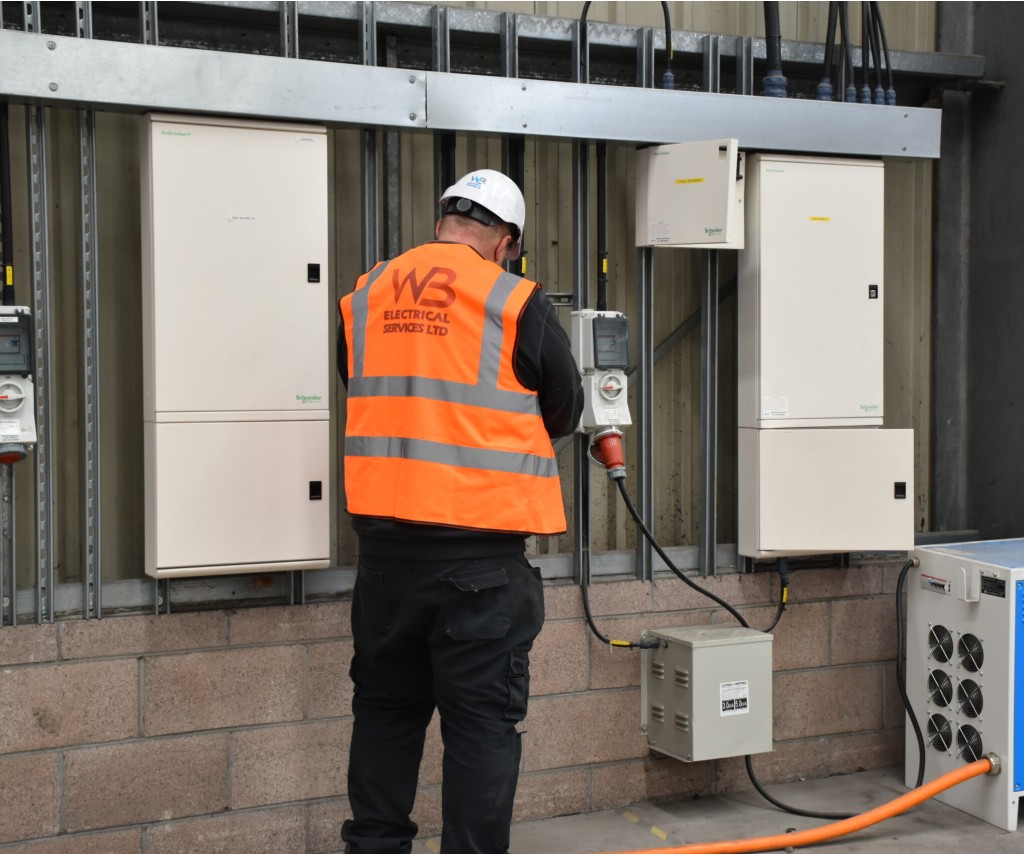
Defined assets. Clear priorities. Planned next steps.
Choose the inspection for the decision you need to make
When a targeted condition inspection helps
Periodic inspection and testing is commonly associated with an EICR. This service provides targeted checks to support maintenance decisions. If you need a formal condition report, see our commercial EICR and fixed wire testing service.
A targeted condition check does not replace or extend the due date of required periodic inspection and testing.

You need a closer look
A board, isolator or work area shows deterioration, damage or signs of past overheating. Establish what can be inspected and whether further investigation is needed.

You are planning investment
You are preparing repairs, refurbishment or an equipment replacement budget. An agreed condition review helps identify questions to resolve before committing to the next stage.

Your maintenance plan needs evidence
You want to monitor selected assets between formal inspections or make sense of inherited records. We help define useful checks and identify gaps needing separate inspection or testing.
Specify the assets, access and inspection depth
What a condition inspection can cover
Agree the low-voltage equipment and areas before attendance. Typical scope includes distribution boards, local isolators, sockets and accessible wiring or containment serving your premises.
Equipment condition
Inspect accessible enclosures, accessories and connections within the agreed scope for damage, deterioration or overheating signs. Opening equipment requires appropriate access and electrical safety arrangements.

Identification and surroundings
Review accessible circuit identification, local conditions and visible earthing or bonding concerns. Note water ingress, contamination or physical damage that may affect the installation.
Further checks where needed
Explain where visual evidence is insufficient. Electrical testing, thermal imaging, fault-finding or a design assessment may be needed and will have a defined scope.
Visual checks cannot verify hidden wiring, protective performance or spare capacity. High-voltage equipment, machinery internals and hazardous-area assets need specific competence and a separately confirmed scope.
Plan safe access around the way your site operates
Coordinate inspection with your site team
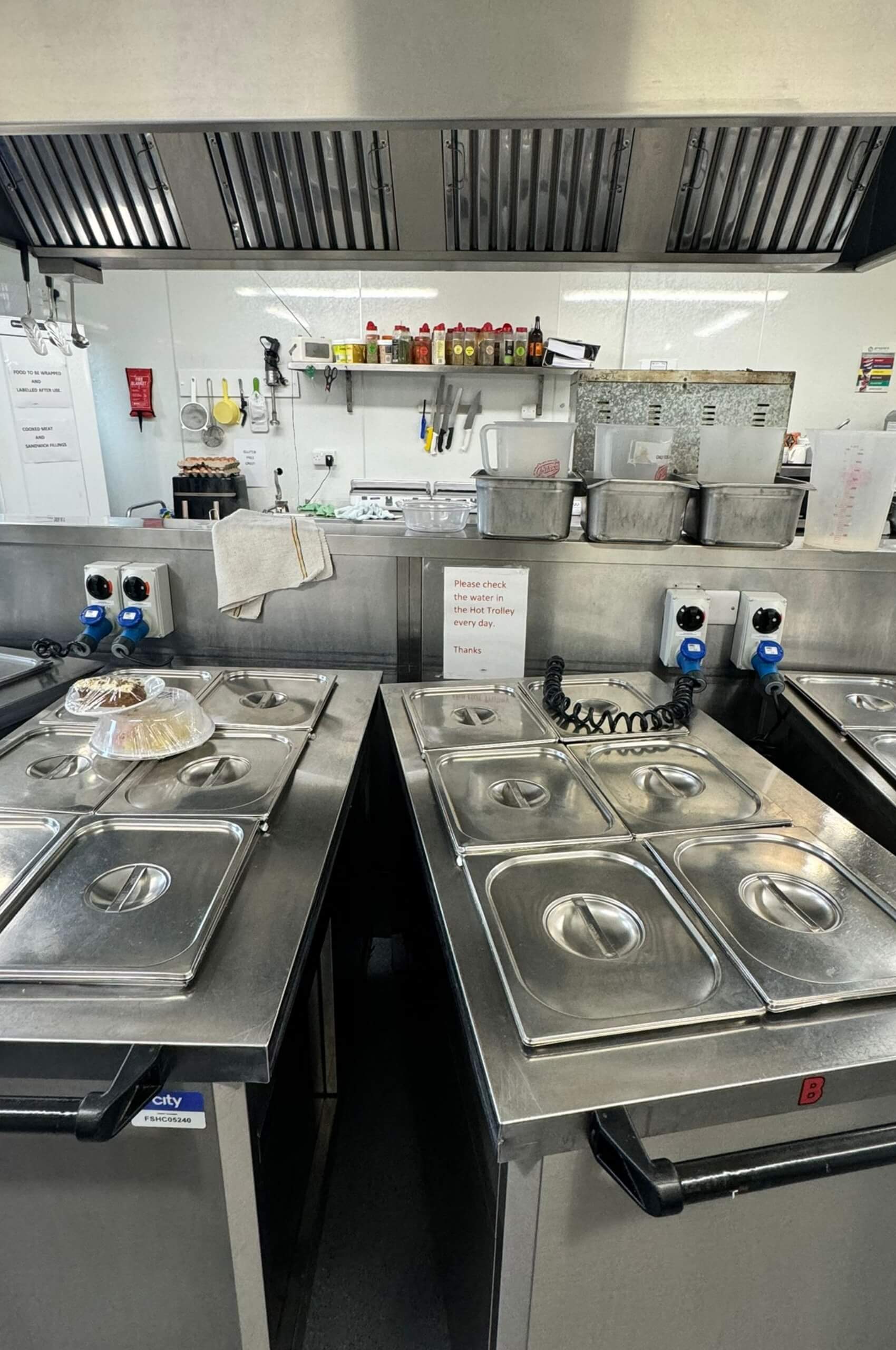
Access inside electrical equipment may require the power to be switched off. Identify production, refrigeration, servers, security and backup supplies early. Agree isolation, continuity and restart arrangements with the people responsible for the site.
01
Share the question and available records
Tell us what prompted the inspection. Provide asset locations, previous reports, photographs and known changes where available. Missing records may indicate a need for a wider assessment.
02
Agree scope and attendance
Confirm the equipment, inspection depth, safe access, permits and shutdown windows. Phased or out-of-hours attendance can be considered where it suits the agreed work.
03
Inspect and confirm the next steps
Raise significant concerns with the nominated contact and record anything not accessed. Agree responsibility for follow-up tests, repairs and returning affected equipment to service.
A missing shutdown window does not justify exposed live work. Record access limitations and the checks still needed; an uninspected asset must not be presented as verified.
Unsure how to fit the inspection around operations? Discuss your site and access with WB.
Turn observations into decisions your team can manage
A clear record and a practical action plan
Know what was inspected
- Asset references, locations and inspection date.
- Agreed scope, methods and completed checks.
- Observations and photographs where useful.
- Access limitations and outstanding investigations.
Agree the reporting format and asset names at the start. Findings should distinguish what was observed from suspected causes and defects confirmed by further checks.

Prioritise the follow-up
We explain significant concerns, recommended next steps and work needing a separate quotation. Further investigation may be needed before a repair can be specified accurately.
Assign an owner to outstanding actions and keep subsequent test or repair records alongside the inspection summary. Work identified by the inspection is agreed before proceeding.
The summary describes the agreed inspection. It is not a blanket safety certificate for the premises or confirmation that every circuit has been tested.
Experience in operating industrial premises
Electrical support around a working site
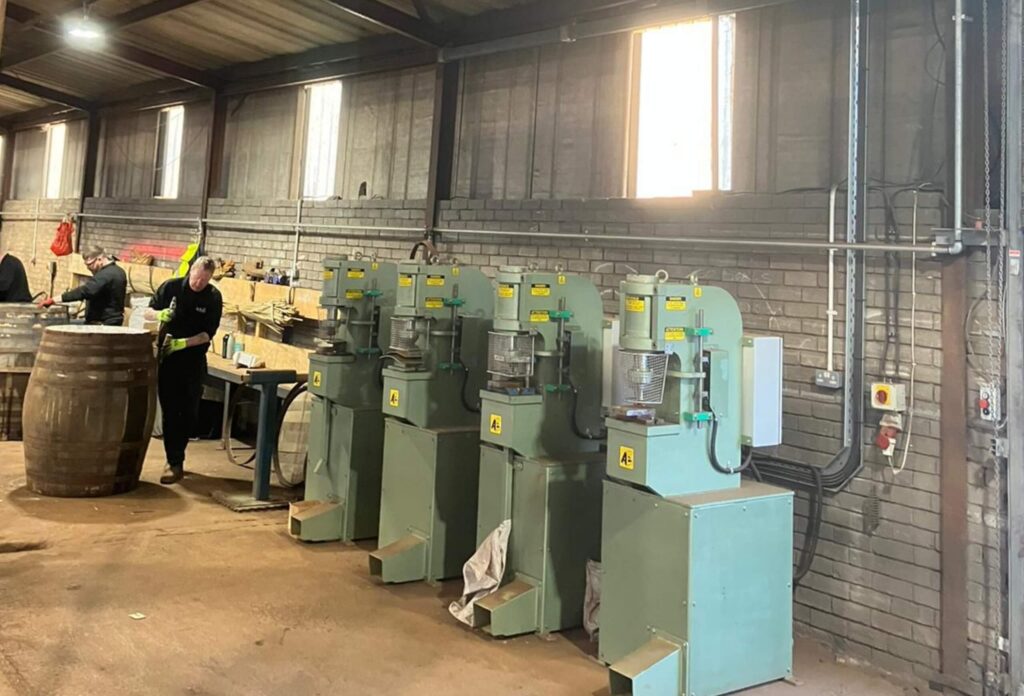
North British Distillery
WB’s published North British Distillery case study covers planned and reactive electrical work, inspection and testing, and improvements at its distillery and warehouse sites. It includes thermal imaging support for condition investigations.
The case describes agreed work scopes and coordination with site controls. For your inspection, we confirm the assets, access arrangements and reporting you need before attendance.
Supplier assurance
Review WB’s current contractor and management-system evidence. Share procurement conditions, site rules and any required report format when arranging the work.
Useful answers before you arrange a visit
Condition inspection questions
How often should targeted condition checks take place?
Agree a schedule using the equipment, environment, previous findings and consequences of failure. Review it after changes or deterioration. This maintenance schedule sits alongside any formal periodic inspection and testing requirements; it does not automatically reset them.
Will this satisfy our insurer or an auditor?
Share the written request before booking. They may require an EICR, specified tests or evidence of completed repairs. A targeted condition summary may support that evidence, but acceptance and the required scope must be confirmed with the requesting party.
Does older equipment automatically need replacement?
Age alone does not establish that equipment is unsafe. Its condition, suitability and inspection or test findings guide the advice. We explain whether further investigation, repair or replacement is appropriate.
What if we have repeated tripping or signs of danger?
Do not wait for a planned visit if equipment appears dangerous. Keep people clear and arrange urgent help. Repeated or intermittent faults need fault-finding, with the investigation and any repair scoped separately from routine condition checks.
How long does an inspection take?
The asset list, inspection depth, access and reporting requirements determine the programme. A targeted visit can cover a defined area; a portfolio may need phased attendance. Share these details so we can propose a realistic scope and timing.
Follow the finding to the right next service
Related testing and maintenance services
Investigating a possible hot spot?
Thermal imaging can support investigation under suitable operating conditions, with its own scope and limitations.
Building a recurring programme?
Bring planned checks, asset priorities and follow-up work into a coordinated maintenance schedule.
A fault needs attention now?
Discuss the symptoms and site conditions so the right fault-finding or reactive attendance can be arranged.
Start with the assets and the decision you need to make
Request a condition inspection quotation
Tell us what prompted the inspection and what you need to understand. An approximate asset list is enough to start the discussion.
Information that helps us quote
- Company, site address and postcode, or a site list.
- Equipment or areas to inspect and known concerns.
- Previous EICRs, maintenance records or available photographs.
- Deadline, working hours, access and shutdown restrictions.
- Site contact, intended use of the findings and required documents.
Mention available records in the enquiry. The office will confirm how to share them.
What affects a condition inspection cost?
The number and type of assets, inspection depth, access, travel and reporting needs affect the price. Phased attendance and additional testing can also change the scope.
We confirm included checks and limitations before proceeding. Further investigations, repairs and return visits are identified separately unless included in the quotation.
For a home or residential letting enquiry, use the domestic quote route.