
For distillery, brewery and spirit-production engineering teams
ATEX Electrical Services for Distilleries & Breweries in Scotland
Plan hazardous-area electrical installation, inspection, maintenance and equipment work around production, shutdowns and site controls. WB Electrical supports defined gas and vapour Zone 1 and Zone 2 electrical work with relevant CompEx competence and clear records.
From Larkhall, we support suitable distillery, brewery and associated warehousing projects across Scotland, subject to scope, programme and the hazardous-area information available.
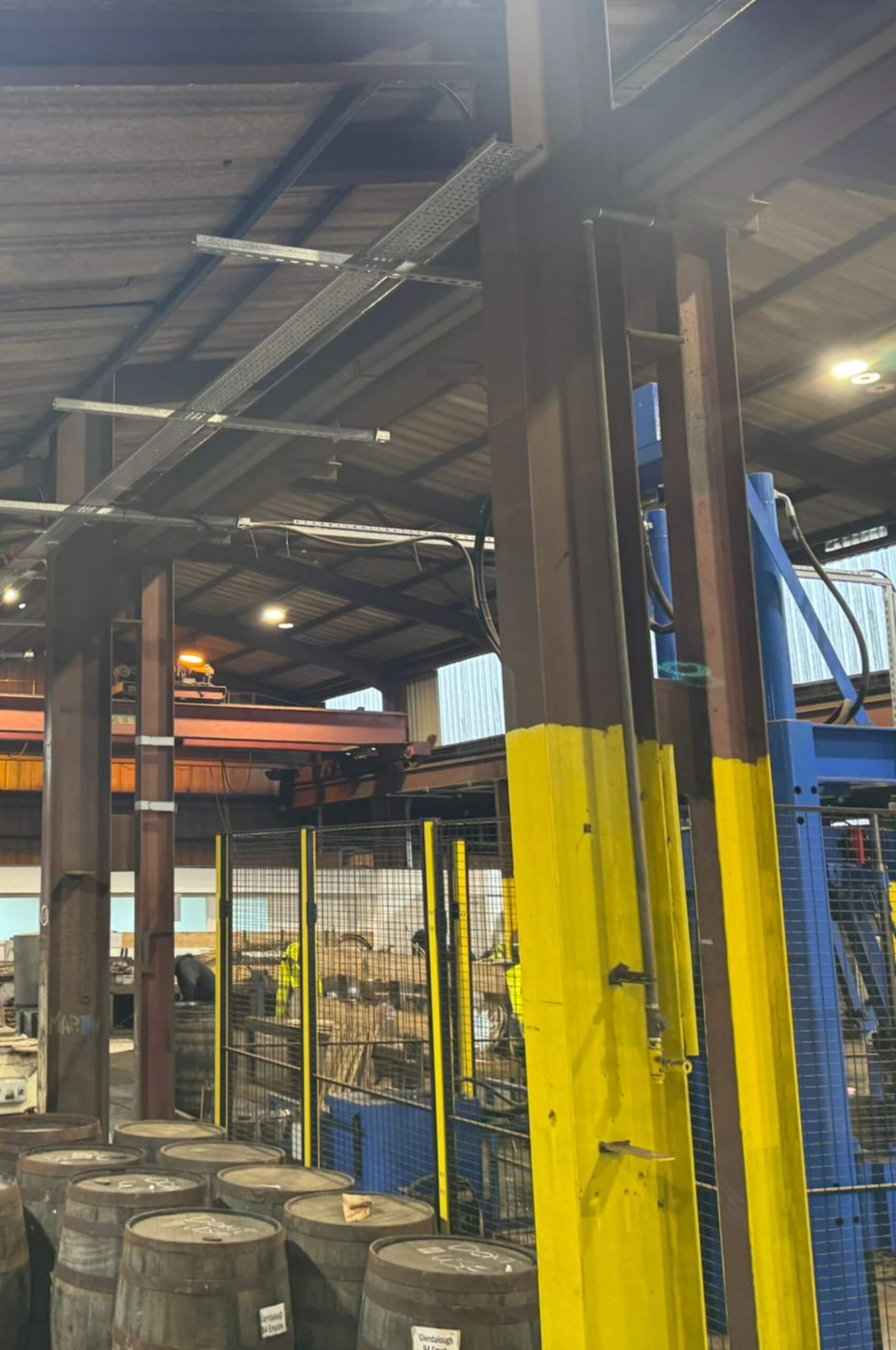
Defined Ex scope. Controlled access. Useful handover.
Production, hazardous locations and maintenance windows
Start with the pressures on your distillery or brewery
A distillery shutdown, an inspection finding and a plant change need different electrical responses. Start with the exact location, process impact and hazardous-area information so the work fits the site rather than treating the whole facility as one Ex environment.

Make the shutdown window count
Production plans, cleaning, maintenance and restart activity often compete for the same window. Define the electrical scope early so isolations, access, equipment and handback can be coordinated before the shutdown begins.

Work from the confirmed hazardous area
Only the site’s confirmed classification identifies where special hazardous-area controls apply. For WB’s current marketed scope, the task must sit within a defined gas or vapour Zone 1 or Zone 2 requirement and the relevant competence must be confirmed.

Keep changes and defects traceable
Inspection findings, equipment replacements and previous modifications can leave records spread across several systems or contractors. Keep asset references, defects, completed work and outstanding actions connected so the next intervention starts from usable information.
Choose the route closest to the electrical task
Match the CompEx service to the requirement
The hazardous-area requirement may start with one component and develop into a coordinated scope. Each service keeps its own purpose, competence and records so installation, inspection, maintenance and documentation are not blurred together.
New circuits, alterations and plant connections
New circuits, containment, cable routes, lighting, power and control interfaces within identified gas or vapour hazardous areas.
Use this route when the job is broader than one item of Ex equipment. The issued classification, project information, equipment requirements and site controls shape the installation and initial checks.
Existing Ex assets and inspection findings
Existing Ex electrical assets that need a defined visual, close or detailed inspection scope.
Inspection planning should consider the equipment population, available records, environment, access and whether isolation is needed. Findings should remain traceable to the asset and location inspected.

Planned upkeep and fault response
Recurring maintenance, inspection-led defects and electrical faults within an agreed hazardous-area support arrangement.
Planned visits help keep equipment serviceable and close known defects. Reactive work still needs a controlled response route, suitable competence, permits and safe access rather than an assumed emergency attendance promise.

Ex equipment installation and replacement
Defined Ex enclosures, isolators, junction boxes, lighting, glands, entries and other electrical equipment that needs installing or replacing.
The proposed item must be suitable for the confirmed location and duty. A familiar or apparently like-for-like product still needs its marking, certification, accessories and installation interface checked before use.
Planning input and documentation close-out
For projects that need earlier contractor input, hazardous-area electrical planning and design support can help turn issued site information into a buildable electrical scope.
For inspection records, asset references, defect schedules and remedial evidence, use hazardous-area electrical documentation and reporting. The electrical records support the site file but do not replace the employer’s wider DSEAR responsibilities.
Production, engineering and contractors working to one controlled plan
Plan the work around production and the permit system
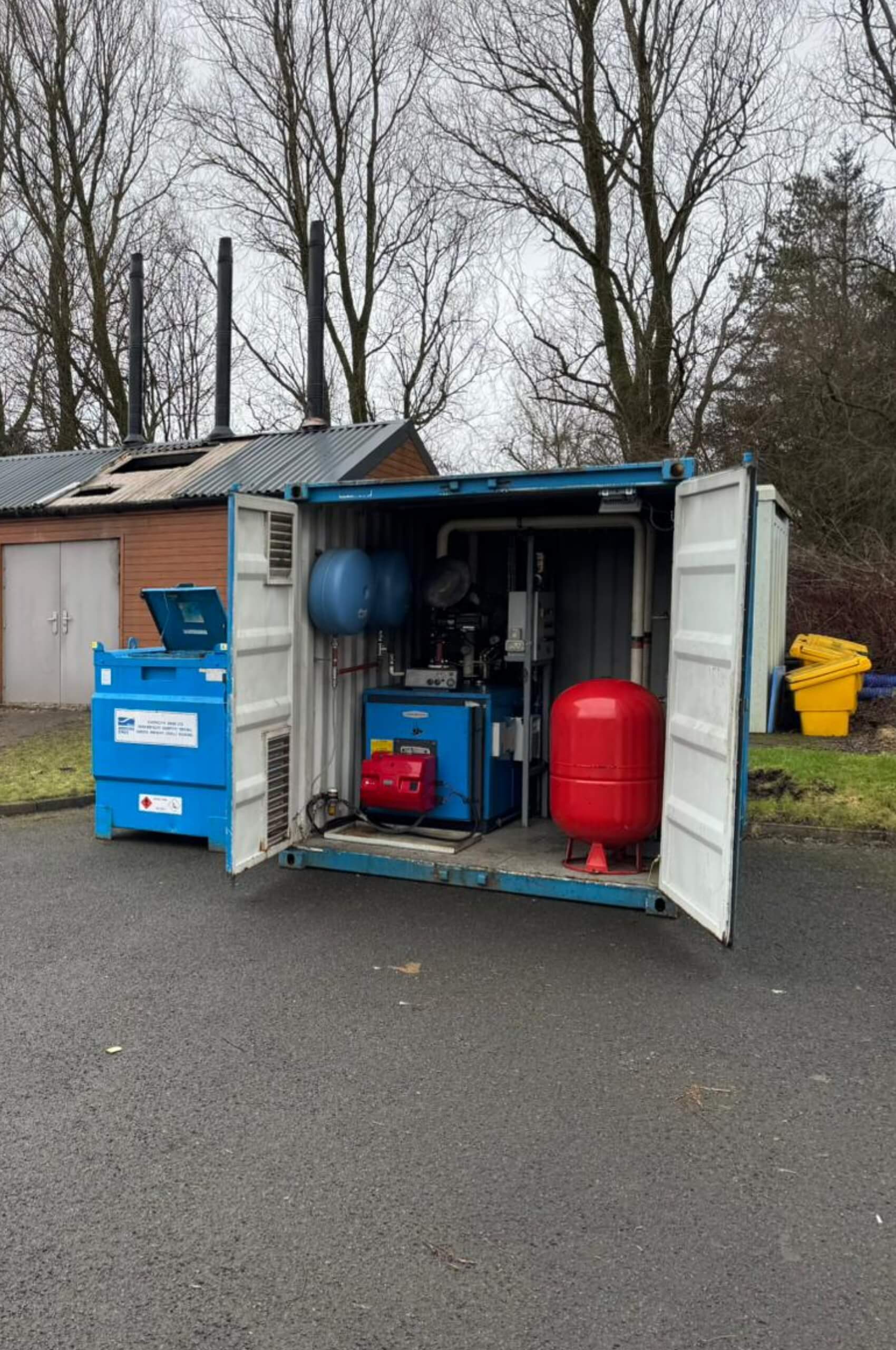
Hazardous-area work needs a clear safe system of work. Confirm the process state, affected equipment, isolation authority, permit route, gas-testing requirements and people responsible for returning the plant or area to service.
01
Define the location, assets and interfaces
Review the issued hazardous-area drawing or confirmed zone information, substance details, equipment tags, inspection findings and the exact work location. Identify interfaces with process equipment, controls, ventilation, tanker operations, warehousing or other site systems.
02
Coordinate permits, access and safe working
Agree induction, permits, access, isolations and any atmospheric testing required by the site. Coordinate other trades, high-level access, vehicle movements and site hygiene or production controls where they affect the electrical task.
03
Agree the work window and handback
Set a realistic sequence for stopping, isolating, completing the work, checking the result and handing the area back. Include the authorised site contact, restart checks and any documents or asset updates needed before normal operation resumes.
If the classification, equipment information or safe working arrangements are unclear, resolve the gap before hazardous-area work starts. Production pressure is not a reason to bypass the site’s controls.
Planning a shutdown or controlled change? Discuss the hazardous-area electrical scope.
Asset references, close-out and change control
Leave the Ex work usable for the next intervention
Agree the site’s tag references, report format, recipients and escalation route before work starts. The handover should make it clear what was inspected, installed, maintained or replaced and what remains outstanding.
For each hazardous-area task
- Site, building, hazardous-area location and asset or equipment reference.
- Applicable inspection, installation, maintenance or equipment records.
- Completed work, open defects, limitations and actions remaining.
- Important concerns raised with the nominated site contact and close-out owner.
Across production and warehousing sites
Keep the location, equipment reference, scope completed, applicable inspection or test information, product references and defect status connected. Photographs or remedial evidence can be included where they genuinely help the site record.
Across distillery, maturation, bottling or warehousing locations, use consistent naming and document control while retaining the actual classification, risks and responsibilities for each area.
For a records-led close-out or an Ex file that has become fragmented, Hazardous Area Electrical Documentation & Reporting can organise the electrical evidence and outstanding actions.
Long-term support in distilling and warehousing
Experience inside a live distillery environment
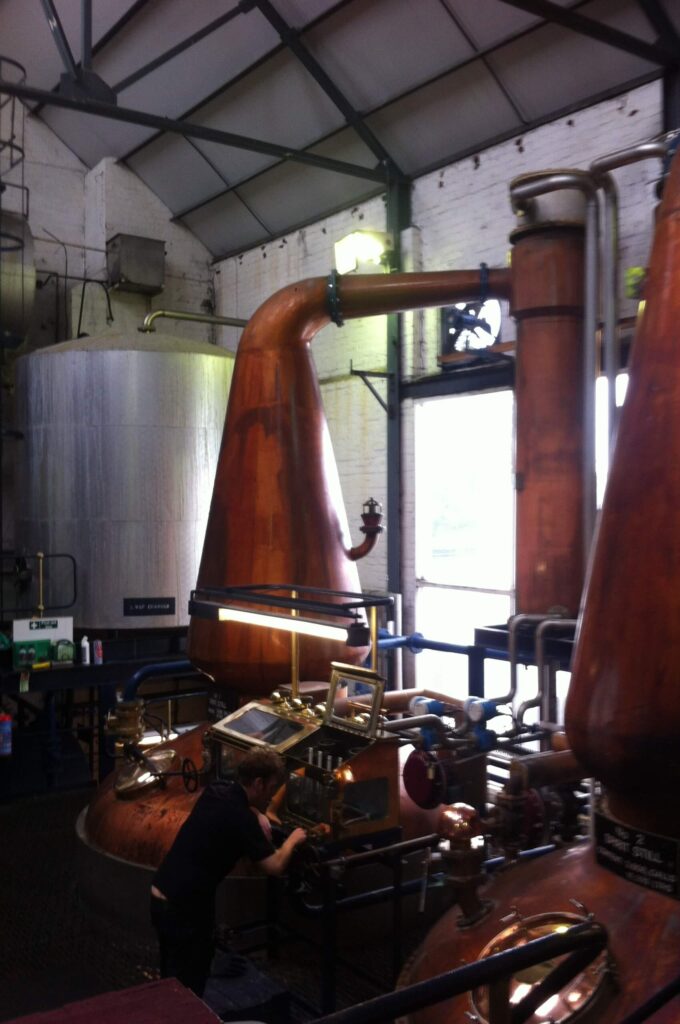
Project photograph: North British Distillery in Edinburgh.
North British Distillery
WB Electrical has supported North British Distillery since 2016 across its Edinburgh distillery and associated West Lothian warehousing sites. The published relationship includes planned works, reactive support, testing and electrical infrastructure activity in a live production and maturation environment.
The case demonstrates the operating disciplines that matter to this sector: coordinating access and downtime, communicating with site engineering, leaving maintainable installations and keeping useful records. Where a particular task enters an identified gas or vapour hazardous area, that work still needs the site’s current hazardous-area information and the relevant individual competence.
Supplier assurance
Review WB’s current accreditations and certificates. Tell us about your contractor approval requirements, relevant CompEx competence, insurance evidence, risk assessments, method statements, induction and permit arrangements so the supporting information matches the site and task.
Before you arrange hazardous-area electrical work
Distillery and brewery ATEX electrical questions
Can ATEX electrical work be planned around production?
Suitable work can often be phased around operating areas, but some tasks need isolation, a defined shutdown or other site controls. The programme is agreed against the process, permit system, equipment and safe handback requirements rather than assuming production can always continue.
Can WB Electrical decide which areas are Zone 1 or Zone 2?
No. The employer or appointed competent specialist should provide or confirm the hazardous-area classification. WB uses the issued information to plan the agreed electrical work and does not present routine contracting support as the site’s DSEAR assessment or formal zoning exercise.
What information helps you quote hazardous-area work at a distillery?
Send the site, building and precise work location, current hazardous-area drawing or confirmed zone information, relevant gas or vapour details, equipment tags or photographs, inspection findings if available, the required outcome, timescale and known permit or shutdown constraints.
Why do you use both ATEX and CompEx?
ATEX is the familiar buyer term for explosive-atmosphere requirements and equipment. CompEx is a competence-certification scheme for individuals. WB uses the terms together where helpful, while keeping the employer’s duties, equipment suitability and individual competence distinct.
Do you cover dust hazardous areas in breweries or malt handling?
WB’s current marketed CompEx scope is gas and vapour work. Breweries and associated grain or malt handling can also have combustible-dust hazards, but dust-specific hazardous-area work is not included in this current offer. Tell us what the site classification identifies so the requirement can be routed correctly.
For the wider hazardous-area service family, see CompEx Services. If the requirement is ordinary electrical work outside the classified area, use the relevant Electrical Services route rather than forcing it into the Ex scope.
One task, a shutdown package or ongoing hazardous-area support
Discuss your distillery or brewery ATEX requirement
Tell us what has prompted the requirement, where the work sits and what hazardous-area information is available. WB can confirm whether the next step is a records review, site walk, defined quotation or coordination with another responsible specialist.
Useful information for your enquiry
- Company, site postcode, building or area and engineering or facilities contact.
- Hazardous-area drawing or confirmed zone information and relevant gas or vapour details.
- Equipment tags, inspection findings, photographs or certificate references, if available.
- Production pattern, shutdown dates, required outcome and timescale.
- Permit, isolation, atmospheric testing, access and handback requirements.
You can enquire before every detail is known. Useful starting information includes the site and exact area, current zone or hazardous-area drawing, gas or vapour information, equipment references, available inspection records, required outcome, programme and permit or isolation constraints.
What affects the quotation?
Scope, asset quantities, equipment requirements, access, isolation complexity, working hours and the number of visits affect cost. Shutdown sequencing, specialist access and incomplete records can also shape the programme and quotation.
Confirm the included electrical work, inspection or test requirements, records, exclusions and VAT before booking. Additional remedials, specialist design/classification work, product supply or return visits are separate unless expressly included.
For a broader hazardous-area requirement, review the CompEx Services hub or use the same business quotation route with the site, scope and timescale.