
For commercial, industrial and public-sector premises
Electrical Remedial Works Contractor
Already have defects, failed items, inspection findings or a repair list? WB Electrical can review the information, define the electrical scope, complete the agreed remedial works and provide the relevant test or completion records.
Based in Larkhall, we support remedial electrical work across Glasgow, Lanarkshire and the Central Belt, with suitable multi-site and project-led requirements elsewhere in Scotland considered by agreement.
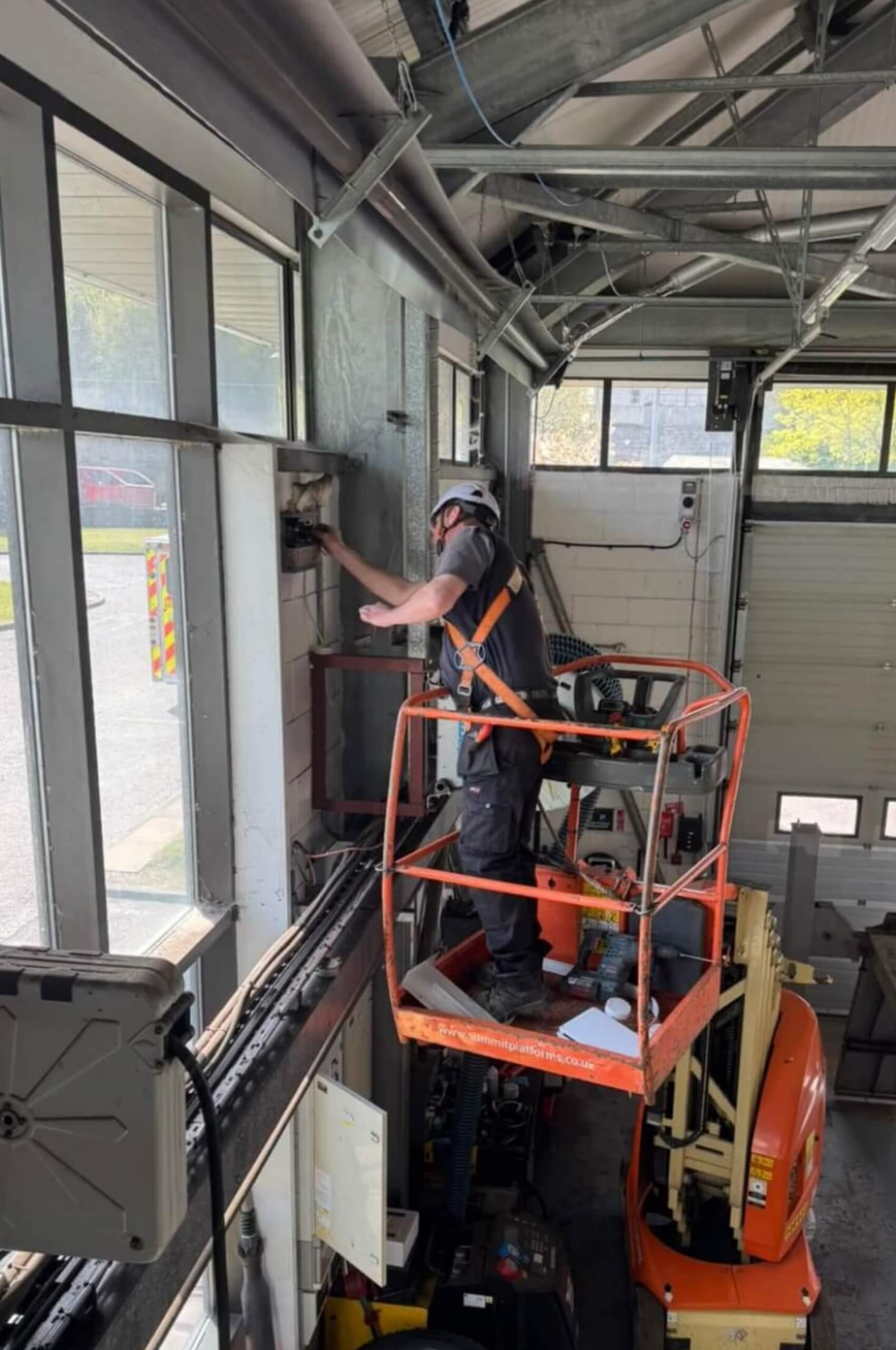
Start with the defect list, report or fault you already have.
One outcome, several possible starting points
When the remedial works route is useful
Remedial work is the practical follow-on when an electrical issue has already been identified. The starting point may be an EICR, failed emergency-light test, maintenance visit, fault report, snagging list, insurer request or a known defect that needs to be investigated and repaired.

You already have an inspection or test report
Send the report and site details so the observations can be reviewed, separated by service type and turned into a practical repair or investigation scope.

A known electrical defect needs repaired
Damaged accessories, failed supplies, distribution faults, lighting defects and other known issues can be assessed and routed to the correct electrical service.

A project or audit has produced a snagging list
Defined electrical snags and incomplete items can be reviewed against the available drawings, reports, specification and access requirements before quotation.
Repair the finding without losing the context
How WB routes electrical remedial work
The phrase remedial works covers several different electrical tasks. This page gives clients one place to start when they already have a finding, fault or repair list, while the owning service still controls the technical scope and completion records.
EICR and fixed-wiring remedials
For observations identified through an EICR or periodic inspection, including agreed repair, replacement, investigation and completion work.
The EICR Remedial Works route owns the detailed interpretation of report observations, priorities and follow-on records.

Emergency lighting and life-safety remedials
For failed emergency fittings, batteries, signs, circuits or other defects identified through emergency-lighting testing or maintenance.
The specialist emergency-lighting route keeps system testing, remedials and completion records together rather than treating every defect as general electrical maintenance.

General electrical repairs and defect close-out
For known faults, damaged accessories, failed supplies, distribution issues, lighting defects and other repair work outside a formal EICR or emergency-lighting report.
Reactive maintenance, Additions & Alterations or Distribution Boards may own the actual repair depending on what has failed and how much of the installation needs to change.
When the defect points to a wider installation change
Distribution Boardsis the route when the board, sub-distribution or material capacity issue is the real problem.Additions & Alterationshandles defined circuit, accessory and local installation changes once the required repair is clear.
For recurring faults or a growing programme of follow-up work,Preventative & Reactive Maintenanceprovides the ongoing support route rather than forcing every visit into a one-off remedial job.
A defect list should become a clear work scope
Review the evidence before pricing the repair
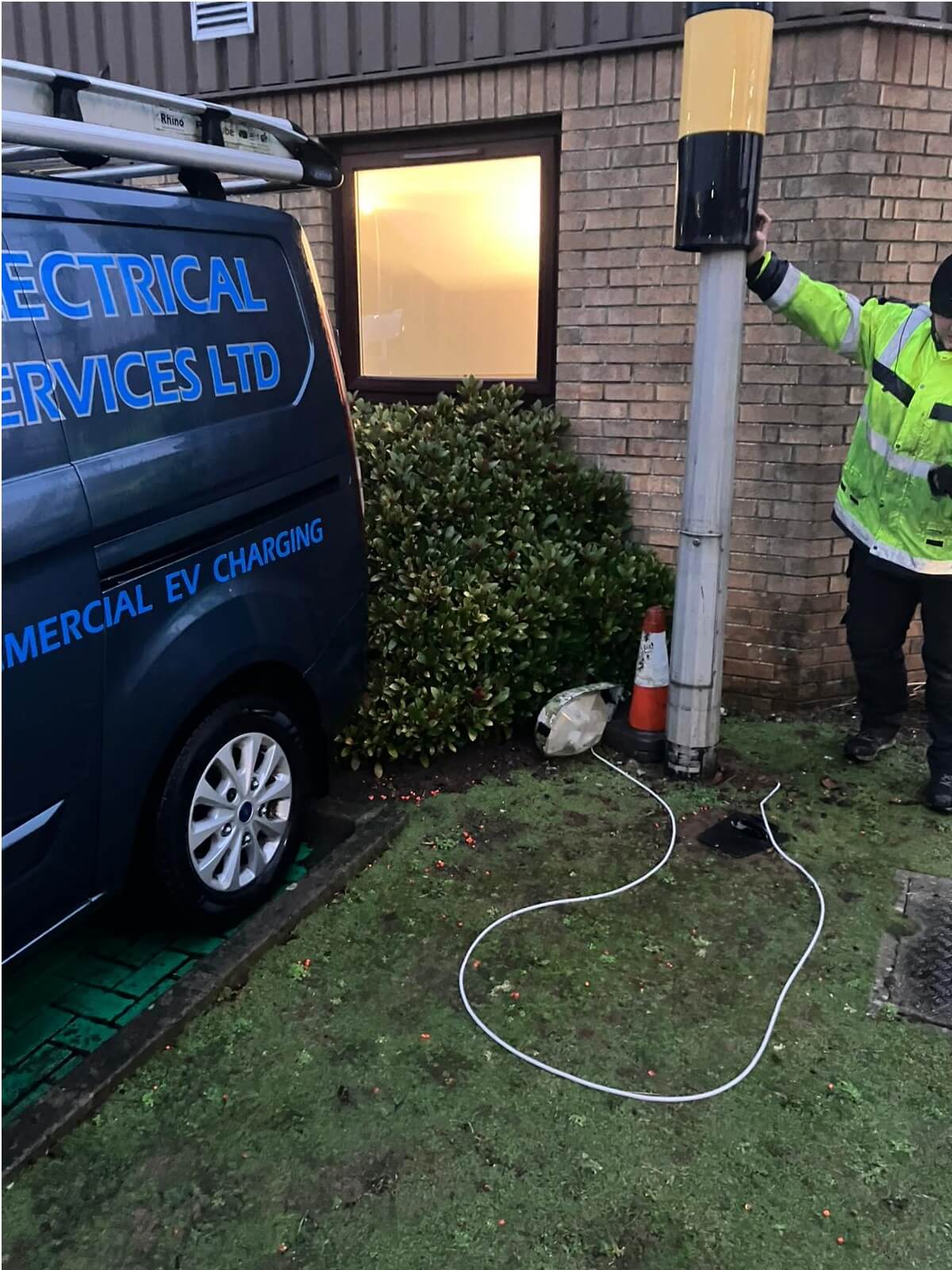
Good remedial work starts with the information that identified the problem.Send the report, observation wording, photographs, marked-up schedule or maintenance note where available. Where the report was produced by another contractor, WB can still review the recorded electrical observations for quotation.
01
Review the findings and site
Confirm the report or defect list, affected area, operational priority, existing limitations, available photographs or drawings and any date by which the work needs to be addressed.
02
Separate repair, investigation and wider upgrade
Identify which items are defined remedials, which need fault finding or further investigation, and which point to a broader distribution, lighting or installation change.
03
Complete, test and hand back the agreed scope
Plan access and isolation, complete the agreed remedials, carry out the applicable verification and provide the relevant certificate, record or completion information.
If an item presents an immediate safety concern, follow the advice given by the competent person who identified it and prevent unsafe use where instructed. Do not wait for a quotation page to determine whether dangerous equipment should remain energised.
Have an EICR, defect list or failed-test report?Send the remedial information to WB.
Close out the work without rewriting the original report
Records after remedial work
Useful close-out information should identify the original finding, the work completed and anything that remains unresolved.
For each remedial instruction
- The site, report reference or work-order reference linked to the task.
- The specific items repaired, replaced, investigated or found to require a separate scope.
- The applicable electrical certificate, test record or completion information for the work carried out.
- Any outstanding observation, limitation or recommendation that remains outside the completed remedial scope.
Across several reports or sites
Use consistent site and observation references so quotations, completed work and remaining actions can be matched back to the correct report. Keep each formal test or inspection record distinct.
Remedial work should not silently change the meaning of the original inspection. Where an inspector, insurer, landlord or auditor needs evidence of close-out, the records should show what WB actually completed and tested.
Where fixed-wiring observations are involved:the dedicated EICR route should remain the technical owner of report interpretation, repair priorities and any separate inspection requirement.Explore EICR Remedial Works.
Direct evidence of inspection-led remedial work
Remedials across a live multi-site estate

Scottish Ambulance Service
WB Electrical’s published Scottish Ambulance Service case study includes statutory inspection and testing, reactive repairs and remedial works identified through inspection activity across more than 184 locations and 12 contract areas.
This is direct evidence of remedial close-out within a wider operational electrical relationship. The case study also shows why site references, access, isolations and clear completion information matter when defects are spread across a working estate.
Supplier assurance
For contractor selection and procurement, reviewWB’s current accreditations and certificates. Tell us about any RAMS, insurance, supplier-portal or document requirements when enquiring.
Before you send a remedial list
Electrical remedial works questions
Can WB carry out remedial work from an EICR produced by another contractor?
Yes. Send the report and site information for review. WB can assess the recorded observations for quotation, identify where further information or investigation is needed and complete the agreed remedials without claiming to have produced the original EICR.
What do C1, C2, C3 and FI mean for remedial work?
They are EICR classification codes and should be read in the context of the current report and applicable guidance. C1 and C2 identify conditions requiring remedial action, while C3 is an improvement recommendation. Under BS 7671:2018+A4:2026, FI is advisory further investigation rather than an unsatisfactory outcome by itself.
Can WB quote from photographs and a defect list?
Often as a starting point, but not every defect can be priced responsibly from photographs alone. Existing reports, circuit references, equipment details, access information and a site survey may be needed before the scope can be priced firmly.
Will WB issue a new EICR after remedial work?
Not automatically. Remedial work and a new EICR are separate scopes. WB will provide the applicable certification or completion records for the work carried out, while any requirement for a new or updated condition report should be agreed separately.
Can several different remedials be completed in one visit?
Potentially. Grouping compatible items can reduce repeated access and isolation, but the work still needs to be separated by technical scope, materials, safe working requirements and any specialist service involved.
Need the original installation condition reviewed as well? SeeTesting & Inspection. For ongoing faults and maintenance issues, explorePreventative & Reactive Maintenance.
One defect, one report or a full remedial schedule
Request a remedial works review
Tell us what identified the issue and send the information you already have. WB can advise whether the next step is a quotation, report review, site survey, further investigation or a wider electrical upgrade.
Useful information to send
- Site address and the area or equipment affected.
- The EICR, emergency-lighting report, maintenance note, snagging list or defect schedule.
- Observation references, photographs, drawings or equipment details where available.
- Required completion date, audit deadline, insurer request or operational priority.
- Access, operating hours, shutdown restrictions and the nominated site contact.
If the list covers several sites, keep each location, report and outstanding item clearly identified so quotation and completion records can be matched back to the correct premises.
What affects remedial-work cost?
The number and type of defects, investigation required, access, isolation, parts, distribution changes, working hours, testing, records and whether several service families are involved all affect price. Some items can be quoted directly from a report; others need a survey or fault-finding stage first.
A remedial list can contain urgent repairs, advisory improvements and items needing further investigation. WB will scope the work it is being asked to complete rather than treating every observation as the same priority or automatically replacing equipment that can be repaired.
For faults that are still changing or have not yet been identified, use Reactive Electrical Support.