
For facilities, energy and operations teams
Commercial Smart Lighting Controls in Scotland
Use occupancy, daylight, time and zoning controls to reduce unnecessary lighting run time without making the building harder to use. WB Electrical can review existing fittings and controls, install practical control measures and commission them around how your people and spaces actually operate.
From our Larkhall base, we support commercial and industrial lighting-control projects across Glasgow, Lanarkshire and the Central Belt. Suitable multi-site and larger programmes elsewhere in Scotland are considered by agreement.
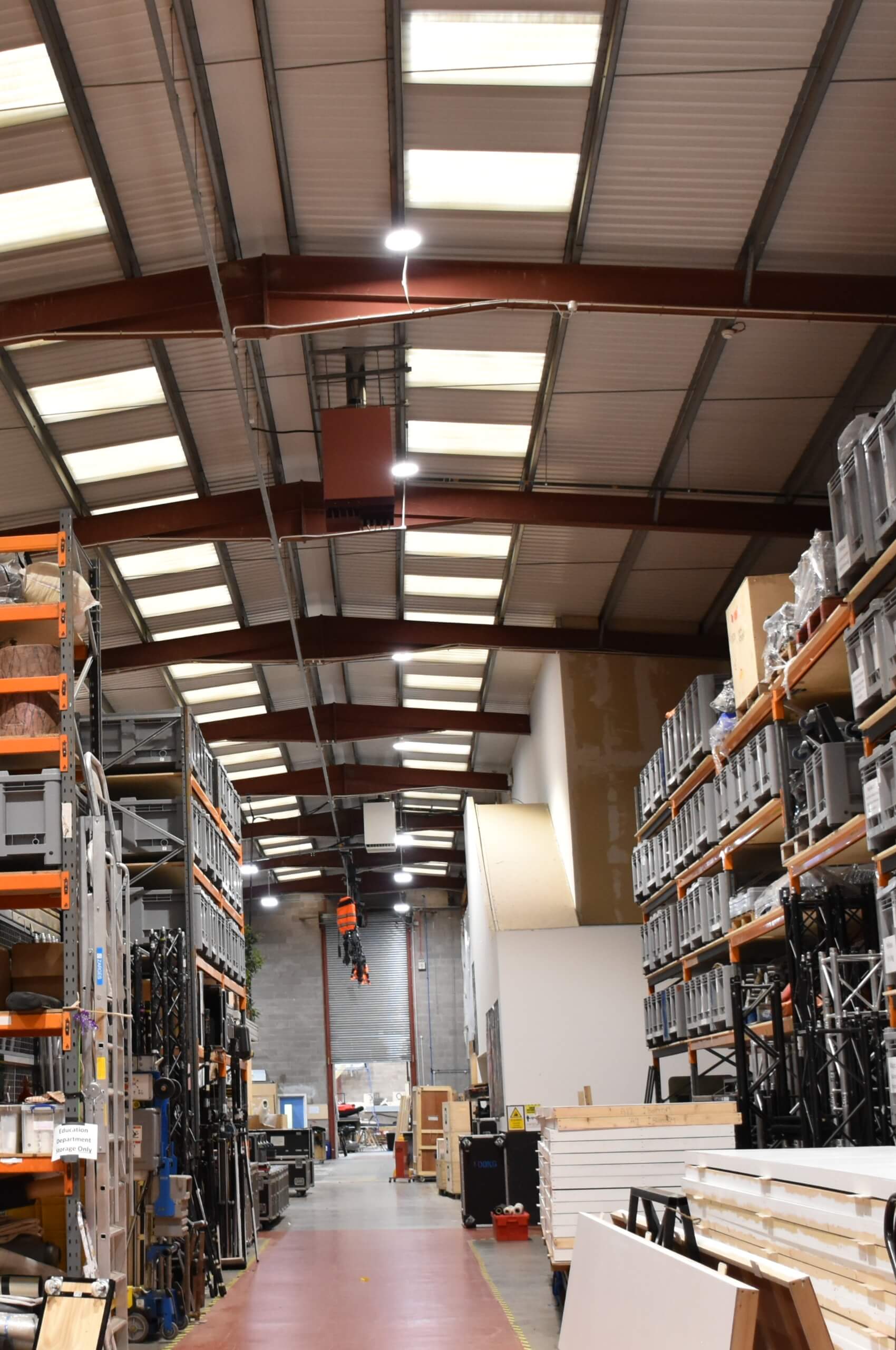
Control the right lights, at the right time, without making the building harder to use.
Unused hours, available daylight or controls that no longer suit the space
When Smart Lighting Controls Are the Right Route
Smart lighting controls are most useful when the operating pattern is understood first. The answer may be a simple sensor in an intermittently used room, daylight-responsive dimming beside glazing, zoning for a warehouse or production area, or recommissioning an existing system that staff have stopped trusting.

Lighting runs when areas are empty
Corridors, stores, toilets, meeting rooms, aisles and other intermittently occupied spaces can benefit from presence or absence-based control where automatic operation is appropriate to the task and the people using the area.

Daylight or predictable hours are being wasted
Daylight-responsive dimming, time schedules and zoning can reduce unnecessary output where natural light or predictable operating hours mean full lighting is not required all of the time.

Existing controls frustrate users or no longer fit the space
Poorly placed sensors, unsuitable time delays, confusing zones or inherited settings can create complaints and workarounds. Recommissioning can be more useful than adding more hardware when the installed equipment is still suitable.
If the project also needs new luminaires or a wider lighting redesign, use Lighting Upgrades. Faulty sensors and controls within routine upkeep can sit with Lighting Maintenance & Repairs. Permanent external-lighting projects remain with Flood & Security Lighting.
Occupancy, daylight, zoning and commissioning
What Commercial Smart Lighting Controls Can Include
The useful scope is the simplest control strategy that fits the building. It should define what is being controlled, how users interact with it, which fittings and drivers are compatible, what interfaces are required and how the final operation will be tested and handed over.
Occupancy and presence control
Install or alter occupancy and presence controls using suitable PIR, microwave or other sensing approaches where appropriate to the space, mounting position, movement pattern and required behaviour.

Daylight response, zoning, schedules and scenes
Configure daylight response, switching or dimming, time schedules, local overrides, zones and scenes so lighting output follows the task, available daylight and operating pattern rather than running every circuit at full output.
Recommissioning and interface coordination
Review inherited sensors and controls, correct practical settings where possible, and coordinate manufacturer-specific commissioning or interfaces where the agreed system requires them. Wider BMS integration should have clear responsibilities between WB, the controls manufacturer, BMS provider and client team.
This page does not imply that WB owns every BMS, IT network, software platform or specialist controls design. DALI or other networked systems may need compatible drivers, addressing, manufacturer tools, licences, gateways or specialist support. Emergency-lighting controls and testing also retain their own requirements.
Understand use, compatibility and handover before installing hardware
Plan Controls Around How the Building Is Used
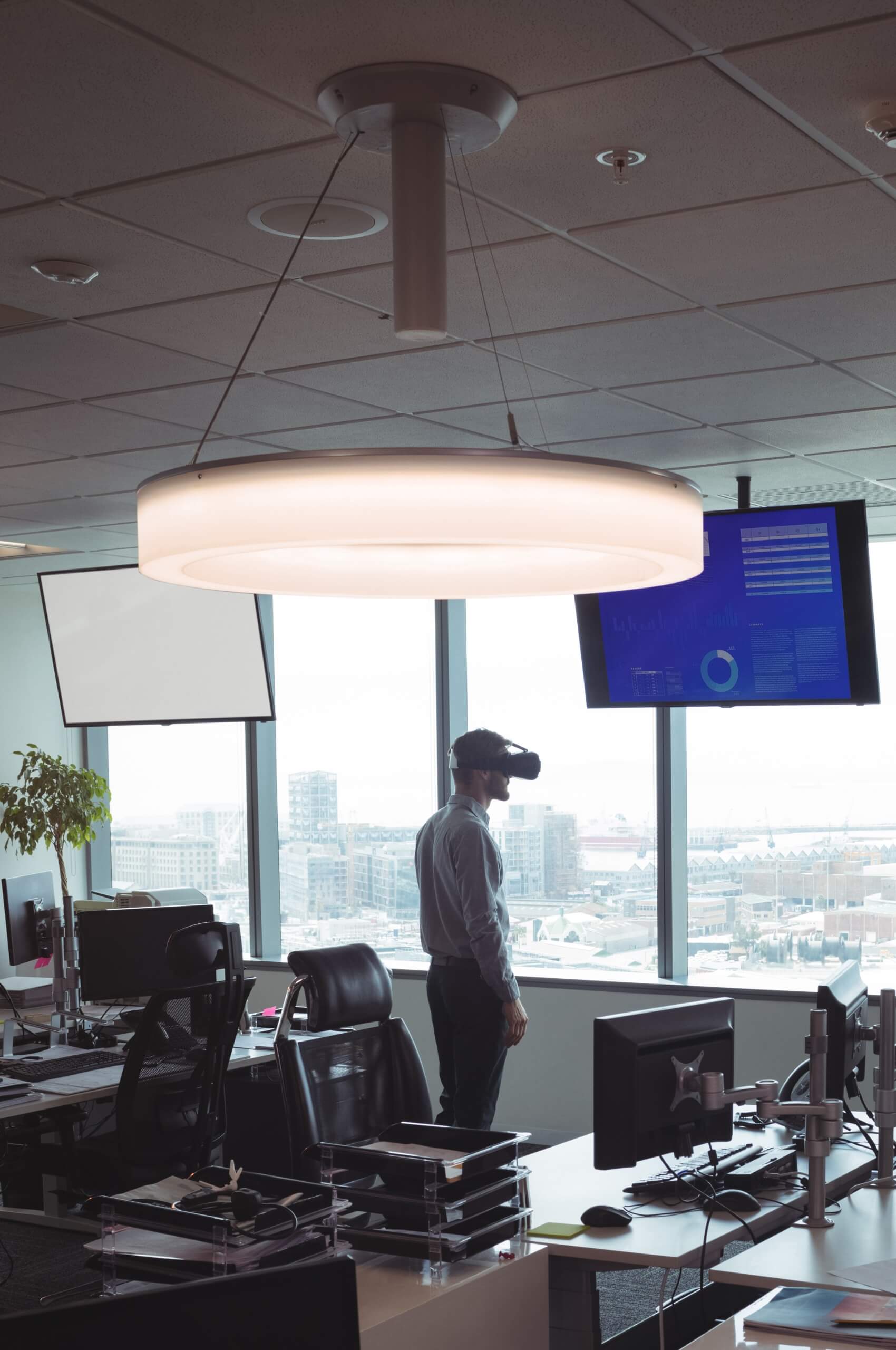
A control system can save little and frustrate a lot if it is specified without understanding occupancy, daylight, shift patterns, cleaning, overtime, task duration and the way people actually move through the building. Commissioning therefore matters as much as the sensor or controller selected.
01
Understand occupancy, daylight and the task
Confirm how the area is actually used, including working hours, intermittent occupancy, daylight, task needs, cleaning or overtime patterns, existing switches, user complaints and any spaces where automatic control could be unsuitable.
02
Confirm compatibility, wiring and interfaces
Review luminaire and driver compatibility, existing controls, circuit arrangement, zoning, mounting positions, communication or control wiring, manufacturer information and any BMS or network interface that sits outside the normal lighting circuit.
03
Commission, demonstrate and record the final operation
Install or alter the agreed controls, then commission sensitivity, time delays, daylight thresholds, dimming, scenes, schedules and overrides as applicable. Demonstrate the final behaviour and record the settings or limitations that facilities teams need to know.
Automatic control should support safe and practical use of the space. The strategy needs to consider occupied tasks, manual control or override where appropriate, the consequences of a control failure and the fact that emergency lighting is a separate system with separate duties and testing.
Planning sensors, zoning or an existing-controls improvement? Discuss your smart lighting controls requirement with WB.
Start with the operating problem, not the most complicated controls package
Choose the Simplest Control Strategy That Meets the Need

Controls should solve a real operating problem
- Sites, areas, lighting types, critical zones, known faults and operating hours included.
- Inspection, cleaning, fault finding, adjustments, parts replacement, functional checks and electrical testing included within the agreed task.
- Mounting heights, access equipment, traffic or work-zone controls, permits, isolations, approval limits and specialist interfaces.
- Visit records, photographs, asset updates, parts used, completed work, defects, limitations, priorities and the next review or renewal action required.
Current UK energy guidance recognises occupancy and daylight-responsive lighting controls as established ways to reduce avoidable lighting energy use. The Scottish non-domestic building standards handbook in force from 6 April 2026 forms part of the current regulatory context for relevant building work. For retrofit projects, however, the commercial benefit still depends on actual run hours, daylight, existing equipment, control compatibility and how the space is used, so this page does not promise a generic saving percentage.
Local control, coordinated zoning or networked system
- Use a one-off repair route for a defined local fault or outage where the likely scope and access can be established quickly.
- Use planned visits where failures recur, lighting is operationally important, access is costly or several sites need consistent maintenance records.
- Use a condition survey when records are weak, fittings are mixed or obsolete, or budgets need evidence before repair and renewal decisions are made.
- Move to a lighting upgrade where failure rates, obsolescence, poor distribution, incompatible controls or maintenance cost make repeated repair a weaker long-term option.
A small local control may be enough for an intermittently used room; larger warehouses, offices or multi-zone buildings may justify coordinated dimming, zoning, scheduling or a networked lighting-control system. The first review should separate what is genuinely useful from features that add cost without solving the buyer task.
Where the requirement becomes a wider BMS or smart-building integration project, agree the interface, data, network, software, access and commissioning responsibilities before work starts. WB can coordinate the electrical lighting scope without implying ownership of an unrelated BMS platform or specialist software service.
Direct sensor evidence within a long-term industrial relationship
Lighting Sensors Within Long-term Bridon-Bekaert Support
Bridon-Bekaert
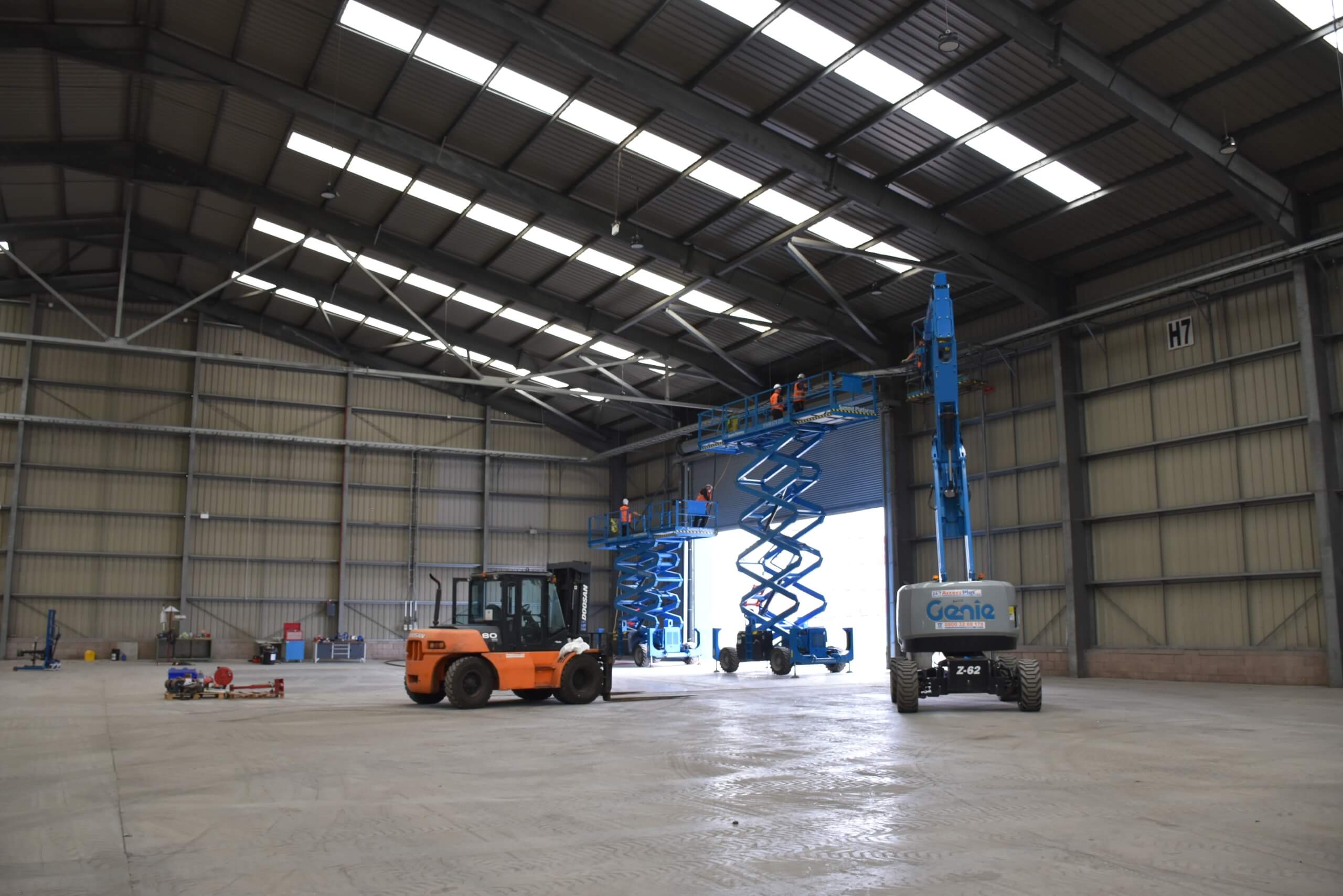
WB Electrical has supported Bridon, now part of Bridon-Bekaert, since 2014 across manufacturing and warehouse facilities in Coatbridge and Grangemouth. The published case study specifically records new lighting and sensors, alongside warehouse, production and high-level lighting work within changing operational sites.
This is direct evidence that WB has installed lighting sensors in an industrial setting. It is not evidence that WB delivered a site-wide DALI, wireless controls or BMS integration project there, so those stronger claims are not attached to the Bridon-Bekaert name.
Supplier assurance
Review WB’s current electrical contractor memberships, management-system certificates and accreditation evidence as part of your supplier assessment. For manufacturer-specific or networked control systems, confirm product competence, access to commissioning tools and third-party responsibilities as part of the project scope rather than assuming an accreditation covers every platform.
Practical answers before you change the controls
Commercial Smart Lighting Controls Questions
What smart lighting controls can WB install?
WB can install and alter common commercial lighting controls such as presence or occupancy sensors, photocells, time schedules, zoning, dimming and local overrides where the fittings, drivers, wiring and agreed control method are suitable. Networked or manufacturer-specific systems require compatibility and commissioning requirements to be confirmed first.
Can controls be added without replacing all the lights?
Often, yes. Existing fittings may be controllable if the drivers, wiring and switching arrangement are compatible with the proposed control method. A survey should establish whether controls can be added cleanly or whether selected luminaires, drivers or circuits need alteration first.
What is the difference between PIR and microwave sensors?
PIR and microwave sensors detect occupancy differently, and neither is automatically the right choice for every room. Mounting height, obstructions, movement pattern, adjacent spaces and the required detection area all affect selection and commissioning.
Can WB work with DALI controls or a BMS?
WB can work with DALI-based or BMS-connected lighting where the agreed scope, installed products and access arrangements are suitable. The project should define who owns addressing, software, gateways, network access and final integration, particularly where another controls or BMS provider is involved.
Will occupancy sensors switch the lights off while people are still working?
Good commissioning is intended to avoid that problem. Detection area, sensitivity, time delays, daylight thresholds, zoning and override arrangements should reflect the real task and occupancy pattern. Where automatic control could create a safety or operational problem, the control strategy needs to be changed rather than forcing the automation.
Connected routes for fittings, upkeep and operating environments
Related LED Lighting and Sector Routes
Lighting upgrades and fitting compatibility
Use the upgrade route where new luminaires, drivers, layouts or wider lighting performance need to change as part of the controls project.
Maintenance and external lighting
Keep routine fault finding and permanent external-lighting projects distinct from a wider controls upgrade.
Office and warehouse applications
Sector routes show how lighting controls fit different operating environments, including office occupancy and daylight patterns and warehouse aisles, bays and shift-based use.
Share the space, operating pattern and controls problem you want to solve
Request a Smart Lighting Controls Review
Tell us whether the issue is lights running in empty areas, available daylight, poor zoning, unreliable sensors, awkward overrides, an existing control system that needs recommissioning, or a new lighting project where controls should be included from the start. We can recommend the next practical step.
Information for your quotation
- Company or organisation, site address and number of locations.
- Affected areas, symptoms, operating hours and which lighting is critical to the site.
- Fitting, driver, sensor or control make and model, photographs and previous reports where available.
- Approximate asset count, mounting heights, access routes, stock, machinery, traffic, permits and shutdown constraints.
- Reporting, asset-list, repair-authority, emergency-lighting, formal testing or hazardous-area requirements that need separate definition.
Mention building plans, lighting layouts, luminaire or driver details, control-panel information, photographs, operating hours, known product names and any BMS or network interface in the quote form. The office can confirm a suitable way to share supporting information.
What affects smart lighting controls cost?
Cost depends on the number and type of controlled areas, existing wiring and controls, fitting and driver compatibility, sensors, dimming or switching method, access, working hours, commissioning time, manufacturer hardware or licences, interfaces with other systems and the level of handover information required.
The next step may be a small sensor installation, recommissioning visit, controls survey, zoned retrofit or a controls package delivered alongside a lighting upgrade. Major luminaire renewal, routine maintenance, permanent external-lighting projects, emergency-lighting work and specialist BMS responsibilities remain with their appropriate routes or project parties.
Based in Larkhall, we support suitable commercial, industrial and public-sector smart lighting-control work across Glasgow, Lanarkshire and the Central Belt. Larger and multi-site programmes elsewhere in Scotland are considered by agreement.