
Coordinated electrical checks, renewal dates and records
Electrical Compliance Testing and Scheduling Across Scotland
A practical route for coordinating agreed electrical inspections, testing dates, records and defect follow-up across commercial, industrial and public-sector sites.
We start with existing reports, known dates, site use, risk information and external requirements. Each activity is then given a clear scope, owner, access plan, deliverable and route for follow-up.

One schedule, separate test scopes
EICR, emergency lighting, PAT and other agreed checks each retain their own method, findings and records. The schedule connects dates and actions without treating these activities as interchangeable.
Known dates and gaps
Existing reports and renewal information brought into one view
Site-specific programme
Activities and frequency agreed from the actual requirements
Records and follow-up
Completed checks, open defects and next actions tracked
Established 1989
Long-standing electrical contractor
Contractor assurance and recognised accreditations




Separate tests, coordinated through one programme
Electrical Testing Activities That Can Be Coordinated
The relevant activities depend on the premises, equipment, risk information and the requirements applying to the organisation. Common workstreams include:
EICR and Fixed Installation Reporting
Periodic inspection and testing of the fixed electrical installation, with findings and any coded observations recorded in the EICR scope.
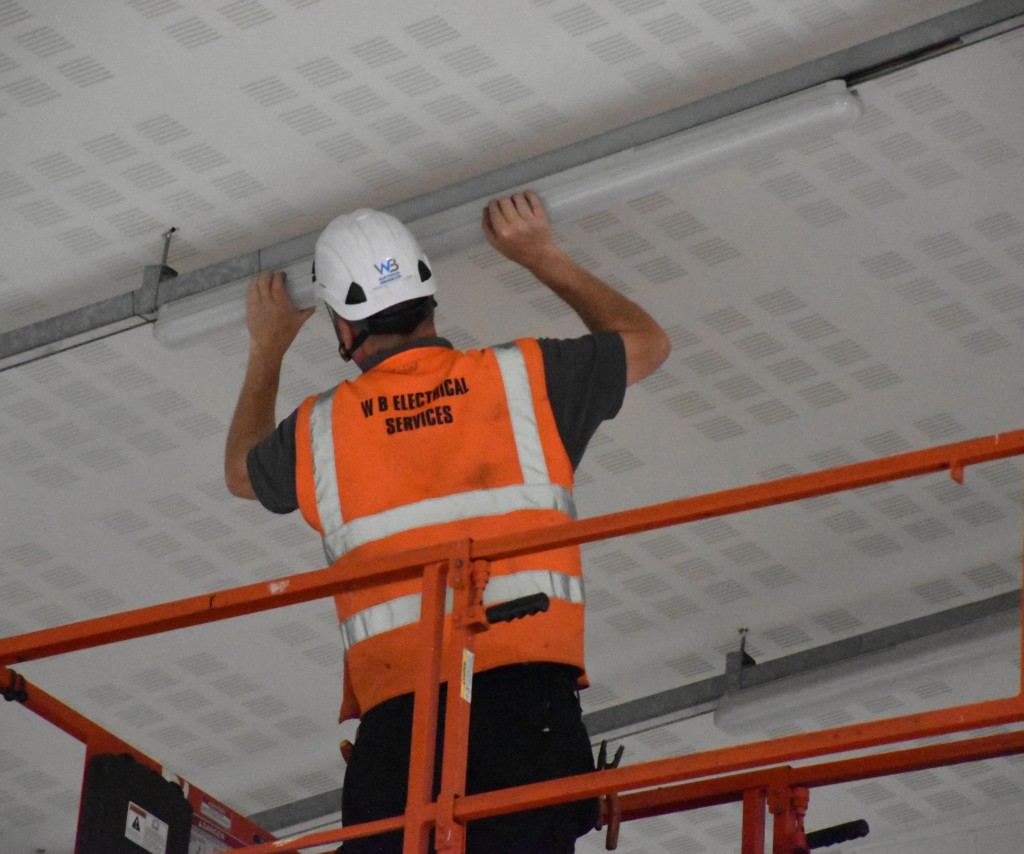
Emergency Lighting Testing and Logbook Support
Agreed functional and duration testing, defect reporting and records that can be linked to the premises emergency-lighting logbook.
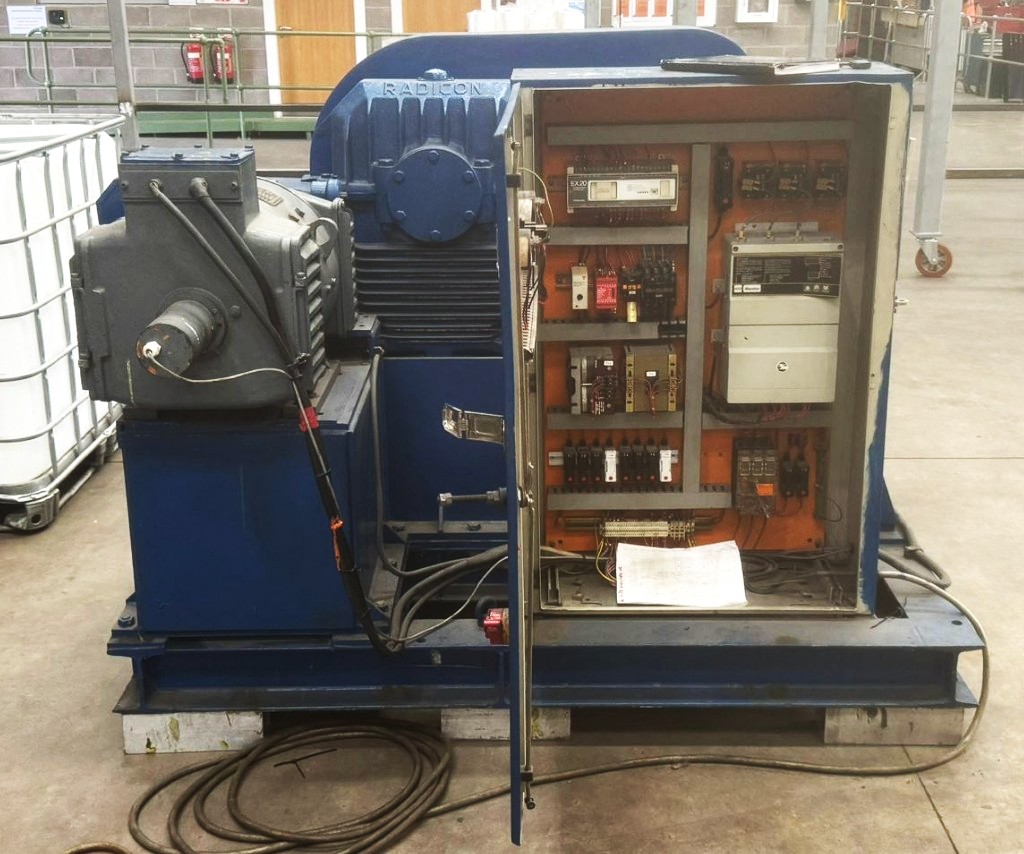
PAT and Portable Equipment Maintenance
Risk-based visual examination and electrical testing for portable and movable equipment, supported by an agreed equipment register and follow-up route.
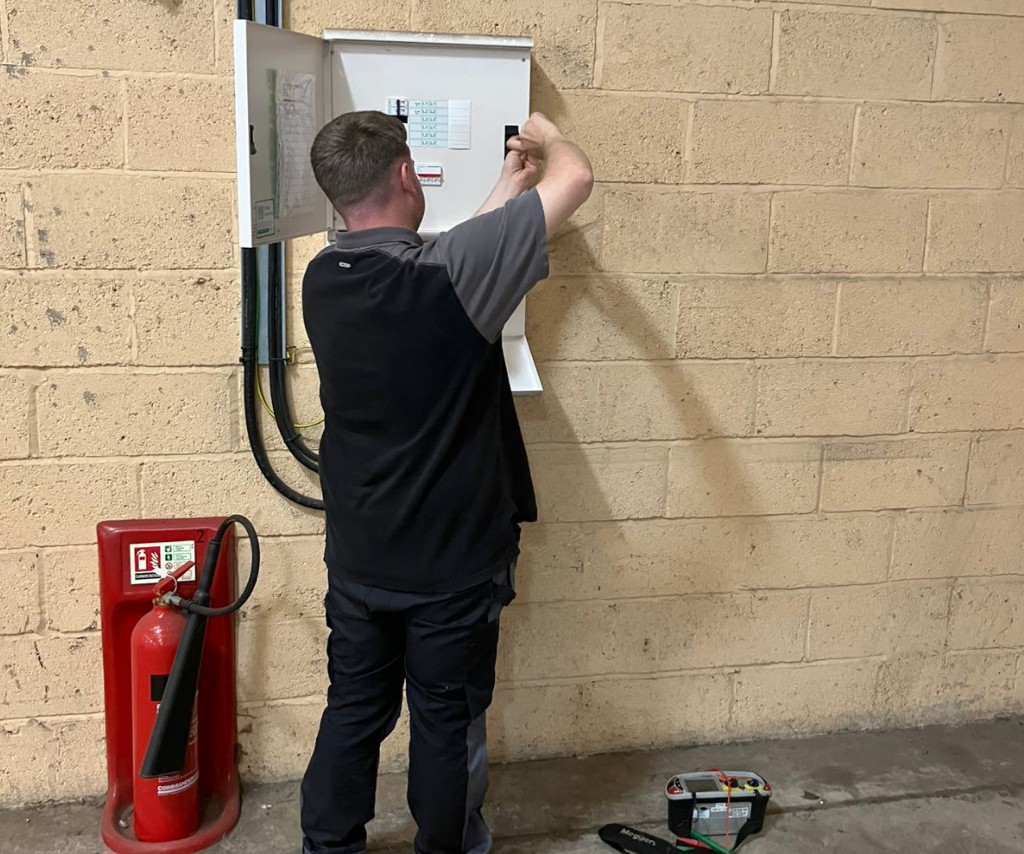
RCD and Protective-device Checks
Task-specific checks or tests for RCDs and other protective devices where required by the installation, risk controls or an agreed maintenance plan.

Thermal Imaging and Condition Inspections
Condition-led checks that can add evidence for important distribution assets without being presented as a substitute for formal inspection and testing.
Audit, Insurer and Multi-site Record Planning
Coordinate requested electrical evidence, known renewal dates and outstanding actions across one or several sites, while keeping each test record distinct.
From scattered dates to a controlled programme
What Makes Compliance Testing Scheduling Useful?
A useful schedule needs a verified source, a defined activity, a responsible contact, an agreed date and a clear route for the resulting report or defect.
01
Build the Baseline
Collect existing reports, registers, site information and requested dates. Mark missing, expired or uncertain information so it can be verified rather than silently assumed.
02
Confirm Each Requirement
Agree the test type, requirement source, competent provider, scope, frequency, access needs and expected evidence for each activity.
03
Track Completion and Action
Record completion, the report or certificate reference, any limitations, open defects, remedial status and the next review or due date.
Clear fields turn a date list into a controlled register
What the Compliance Schedule Can Track
The register should show what is being managed, why it is included, who owns the action and which evidence closes it. Useful fields can include:
- Site, building, asset group and testing activity
- Requirement source and responsible client contact
- Last completion date and report or certificate reference
- Next due or review date, status and planned attendance
- Access, isolation, permit and operating constraints
- Open defects, priorities and responsible action owner
- Remedial work status and linked close-out evidence
- Exceptions, limitations and external specialist dependencies
A controlled testing and renewal process
From Record Review to Controlled Renewal
A consistent route helps facilities teams distinguish confirmed requirements from assumptions, plan attendance and keep evidence connected to the correct site and activity.
01
Gather sites and records
Review the premises list, existing reports, certificates, registers, external requests, known dates and responsible contacts.
02
Verify scope and triggers
Confirm why each activity is required, its boundaries, the relevant competence, the review basis and the evidence expected.
03
Plan visits and access
Coordinate appointments, inductions, escorts, permits, shutdowns and operational constraints across the agreed sites.
04
Deliver and file outputs
Complete each agreed test or inspection and link its report, certificate, limitations and result to the correct register entry.
05
Close defects and review dates
Track approved remedials and verification separately, retain close-out evidence and update the programme from the findings.
One source of truth for electrical testing
Turn Reports and Renewal Dates Into an Actionable Register
A one-off test produces a report or certificate for its defined scope. A managed register within the wider Electrical Maintenance programme connects that evidence to the correct premises, activity, owner and follow-up action. It can also inform Planned Preventative Maintenance when recurring visits need coordination.
- Avoid missed or duplicated testing visits
- See what is completed, due, overdue or still uncertain
- Link each certificate or report to the correct entry
- Track defects, remedials and close-out evidence separately
- Coordinate consistent records across multiple sites
Need the individual test rather than programme coordination? Visit Testing and Inspection for dedicated inspection services. For asset-specific maintenance, use Electrical Equipment Servicing; for repeat condition evidence, see Thermal Imaging and Condition Monitoring.
Information That Helps Build the Baseline
You do not need a finished register. Useful starting information includes:
- Site list, addresses and responsible contacts
- Existing reports, certificates, registers and logbooks
- The external request, known obligation or internal control being addressed
- Known deadlines, operating hours and access constraints
- Open defects, remedial status and required reporting process
Testing coordination shaped by the premises
Compliance Testing Coordination for Working Premises
The testing programme, access plan and reporting route should reflect how each premises operates, the people using it and the requirements attached to the site.

Offices and Commercial Property
Coordinate installation reports, emergency lighting records, portable equipment checks and shared-area requirements around occupiers, landlords and controlled access.

Warehouses and Logistics
Plan testing around shifts, loading activity, charging areas, distribution access and the practical movement of people and equipment.

Manufacturing and Industry
Coordinate inspection and testing around production schedules, permits, isolations, higher-use equipment and specialist plant interfaces.

Healthcare and Public Sector Estates
Maintain traceable electrical records across operational estates where governance, access, multiple locations and continuity need careful coordination.

Documented testing within a long-term maintenance relationship
Coordinated Testing and Maintenance Across the Scottish Ambulance Service Estate
WB Electrical has supported the Scottish Ambulance Service since 1990 across more than 184 locations and 12 contract areas. The published case study includes preventative maintenance, reactive repairs, statutory electrical inspection and testing, PAT, remedial work and testing records.
Client since 1990
184+ locations attended
Clear answers about testing schedules and evidence
Compliance Testing and Scheduling FAQs
These answers explain how a coordinated programme relates to individual tests, records, responsibility, frequency and defect follow-up.
What does compliance testing and scheduling include?
It brings agreed electrical inspection and testing activities, source requirements, last-completion information, due or review dates, site access, evidence and follow-up into one programme. Each test still has its own scope, method, competent delivery and report or certificate.
Does the schedule itself prove compliance?
No. A schedule helps manage agreed activities, but it is not a legal determination and does not prove that every obligation has been met. The client or dutyholder remains responsible for the applicable requirements, while each report or certificate evidences only its defined scope.
How do we decide which electrical tests apply?
Start with the fixed installation and equipment, how the site is used, risk and fire-safety information, previous reports, and any insurer, lease, client or manufacturer requirement. Where the trigger or interval is uncertain, it should be verified with the appropriate competent adviser or responsible organisation.
Does every appliance need annual PAT?
No. The Health and Safety Executive explains that the law does not require annual portable appliance testing or set one fixed frequency. The type and frequency of checks should reflect the equipment, how it is used, its environment and previous results, with visual examination forming an important part of maintenance.
Can EICR, emergency lighting and PAT be scheduled together?
Yes, visits and administration can be coordinated where practical. However, EICR, emergency lighting testing and PAT remain separate activities with their own methods, findings and records.
What records can the compliance register hold?
It can hold the site and activity, requirement source, responsible contact, last-completion date, report or certificate reference, next due or review date, status, access notes, limitations, defects, remedial actions and close-out evidence. The exact fields are agreed to suit the estate and reporting process.
What happens when defects are found?
The original report should be retained, the defect and priority recorded, and suitable remedial work quoted for approval. Repair, verification and close-out evidence are then linked separately so the original finding is not overwritten. An immediate danger should follow the site emergency procedure and may need reactive electrical support.
Can WB support multiple sites and out-of-hours work?
Yes. A programme can be built around a site list, local contacts, operating hours, access rules and a consistent record structure. Evening, weekend or shutdown attendance can be discussed where required and agreed in advance; availability and timing are confirmed for the specific programme.
Key takeaway: A useful compliance programme identifies the exact requirement, responsible party, agreed scope, evidence and next action for each activity. It keeps testing visible and coordinated, but each duty and certificate must still be satisfied on its own terms.
Share the sites, existing records and deadlines
Build an Electrical Compliance Testing Schedule
Send the information you already have. WB Electrical will review the premises, existing evidence, known requirements, deadlines, access constraints and open actions before recommending a practical next step.
Helpful Information for Schedule Planning
- Company, group or organisation and responsible programme contact
- Full site list, addresses, postcodes and local contacts
- The requirement, request or control the programme needs to address
- Existing EICR, emergency lighting, PAT and other electrical records
- Current registers, logbooks, asset lists and document locations
- Known renewal dates, audit deadlines and uncertain or missing dates
- Normal operating hours and practical attendance windows
- Induction, permit, escort, access and isolation requirements
- Open defects, planned remedials and available close-out evidence
- Insurer, landlord, client or authority correspondence where relevant
- Required register structure, file naming and reporting format
- Programme timescale, priority sites and purchase-order process
Prefer to speak first?
Call 01698 883232
info@wbelectrical.co.uk
Your information will be used to review and respond to this enquiry. Read the WB Electrical Privacy Policy.