
For production, engineering and site management teams
Electrical Testing for Manufacturing & Industrial Sites
Plan industrial EICR, thermal imaging, emergency lighting and equipment checks around production. WB Electrical helps you define the electrical scope, coordinate shutdowns and turn findings into clear maintenance decisions.
Based in Larkhall, we support factories and industrial premises across Glasgow, Lanarkshire and the Central Belt. Wider Scottish sites and planned programmes are considered by agreement.
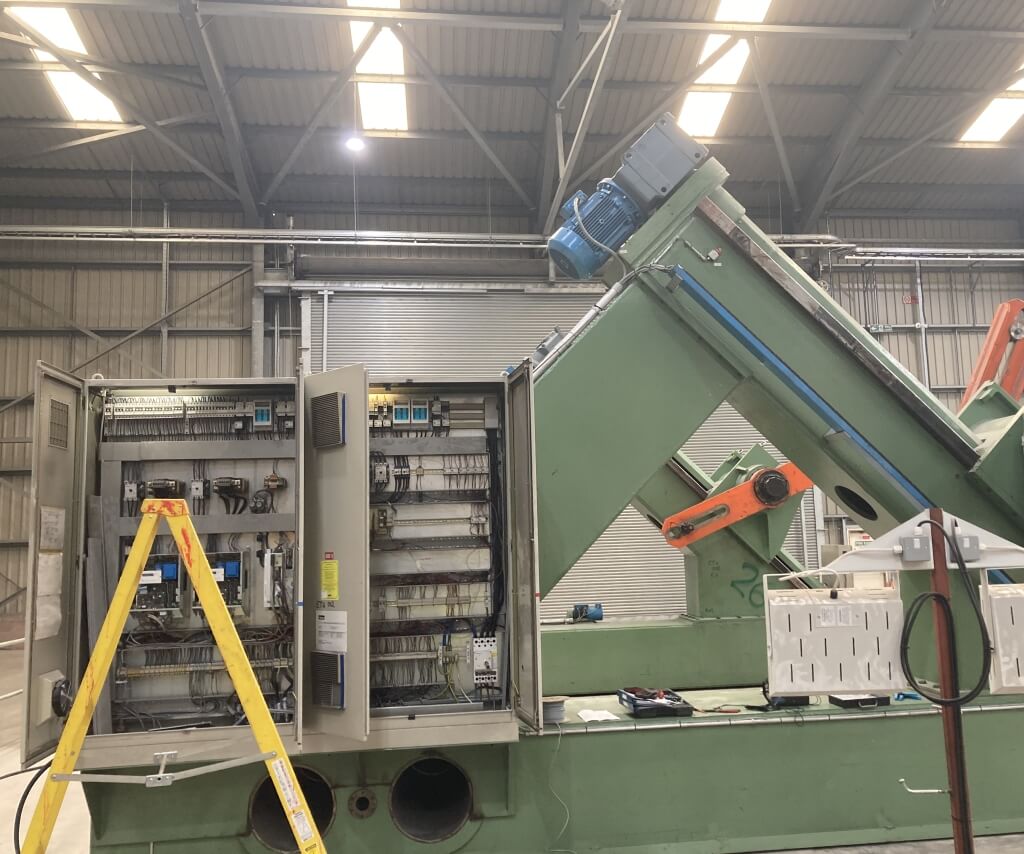
Clear testing scope. A workable production plan.
Production commitments, changing plant and ageing infrastructure
Start with the pressures on your site
A factory shutdown, a recurring fault and an audit request call for different starting points. Identify the immediate need and the equipment your operation depends on.

Make the shutdown window count
Batch completion, cleaning, maintenance and restart may compete for the same hours. Define the circuits and checks early so the testing programme fits the available window.

Understand a change or concern
New machinery, heavier loading, heat, vibration or repeated trips may prompt a review. Share the affected equipment and fault history so investigation targets the actual concern.

Close gaps in the records
Older reports, several contractors or an approaching insurer deadline can leave uncertainty. Establish which assets were checked, what remains open and what evidence is required.
Match the inspection to the installation or equipment
Choose the checks your operation needs
We can coordinate relevant services, with a defined boundary and report for each. An electrical installation report is only one part of managing a manufacturing site.
Fixed wiring and production supplies
Distribution boards, lighting, sockets and agreed fixed supplies serving plant and supporting services.
An Electrical Installation Condition Report (EICR) records the included installation’s condition, test results, observations and limitations. Define where the fixed supply ends and machinery-specific work begins.
Loaded panels and critical distribution
Selected boards, motor control centres and connections that can be viewed safely during representative operation.
Thermal imaging can highlight unusual temperature patterns for investigation. A survey before a shutdown may help plan work, but loading, safe access and visibility determine what can be assessed.

Emergency lighting and escape routes
Emergency fittings and exit signs serving production areas, stairs, workshops and final exits.
Functional and duration testing records the performance of the agreed fittings. Plan discharge and recharge around safe occupation, and review changed escape routes separately from testing existing lights.

Tools, leads and workplace appliances
Suitable portable tools, extension leads, chargers, cleaning equipment and office or welfare appliances.
Appropriate inspection and PAT testing reflect equipment type, handling and environment. Workshop tools may need a different regime from office equipment; annual testing of every item is not an automatic requirement.
A focused check or a specific document request
Targeted condition inspections can address selected assets or known concerns between wider inspections. Neither these checks nor thermal imaging replaces a required EICR.
For insurer or audit requests, electrical compliance documentation support helps identify relevant records and gaps. Send the exact requirement; the requesting organisation decides what evidence it accepts.
Production, maintenance and contractor teams working to one plan
Plan the interruption and the return to service
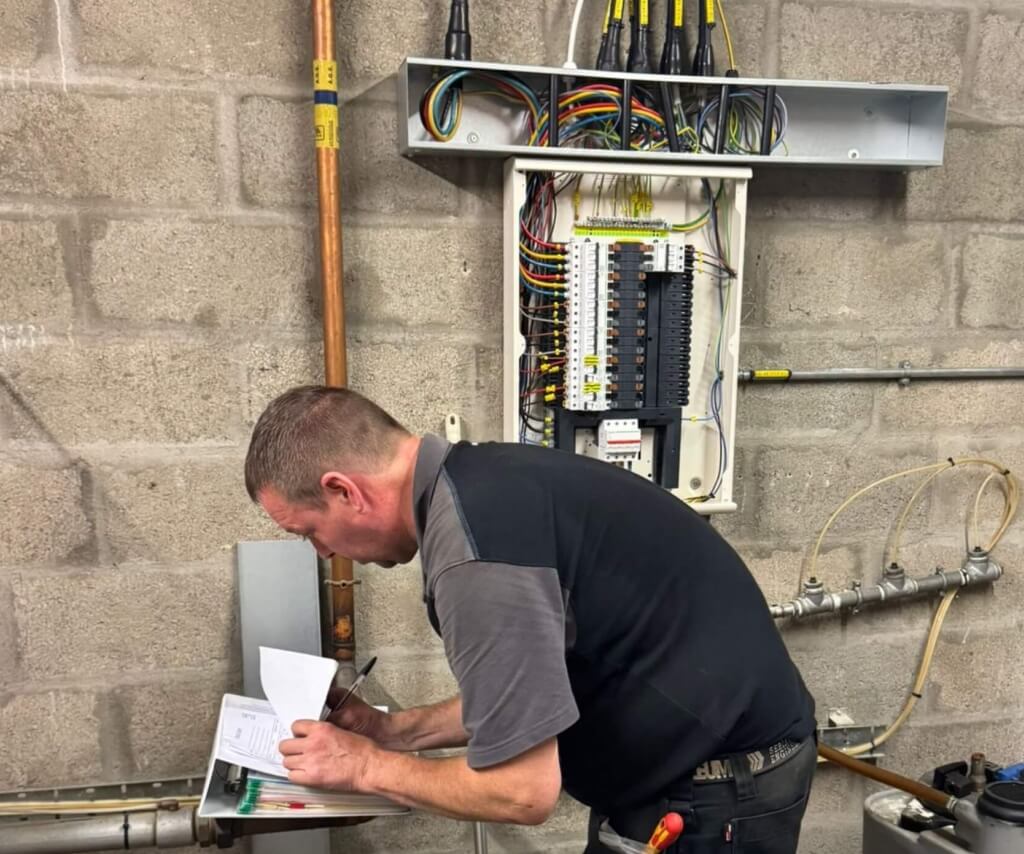
Some inspection and testing requires the power to be switched off. Flag production lines, extraction, cooling, compressed air, controls and other critical supplies. Agree the affected processes, isolation authority and restart checks before attendance.
01
Define the assets and interfaces
Review drawings, previous reports and board references. Identify machinery owners, sensitive controls, backup supplies and manufacturer restrictions. Confirm any high-voltage, hazardous-area or specialist equipment requirements as a separate scope.
02
Coordinate access and safe working
Agree permits, induction, work areas and access to panels or high-level fittings. Share heat, dust, washdown and vehicle-movement risks. Involve site specialists where machinery movement or stored energy affects the work.
03
Allow time for shutdown and handback
Set a realistic sequence for production stop, inspection, testing and reinstatement. Include cooling or cleaning time where relevant, other maintenance contractors and the people authorised to check equipment before production resumes.
A circuit that cannot be isolated needs a planning decision. Record remaining limitations and outstanding checks; an untested area must not be described as verified.
Planning the next production shutdown? Discuss the electrical testing scope.
Useful evidence for engineering, management and follow-up
Make the findings easy to act on
Agree equipment references, report recipients and escalation contacts at the outset. Keep safety concerns, investigation needs and completed work clearly distinguishable.
For each area or agreed test
- Site, board, circuit or equipment identification.
- Applicable reports, schedules and recorded test conditions.
- Unavailable assets, limitations and further checks needed.
- Significant concerns raised with the nominated site contact.
For the maintenance programme
Connect findings to the affected assets, responsible team and proposed action. Keep report references and completion evidence together so a later shutdown or another contractor starts with a clear record.
Across several plants, use consistent references while retaining each site’s risks, findings and recommended review dates.
When defects need attention: agree immediate safety measures with the responsible site team. Scope repairs, further investigation and appropriate completion testing separately. EICR remedial works can support the agreed follow-up.
Experience across changing industrial facilities
Electrical support throughout a site’s working life
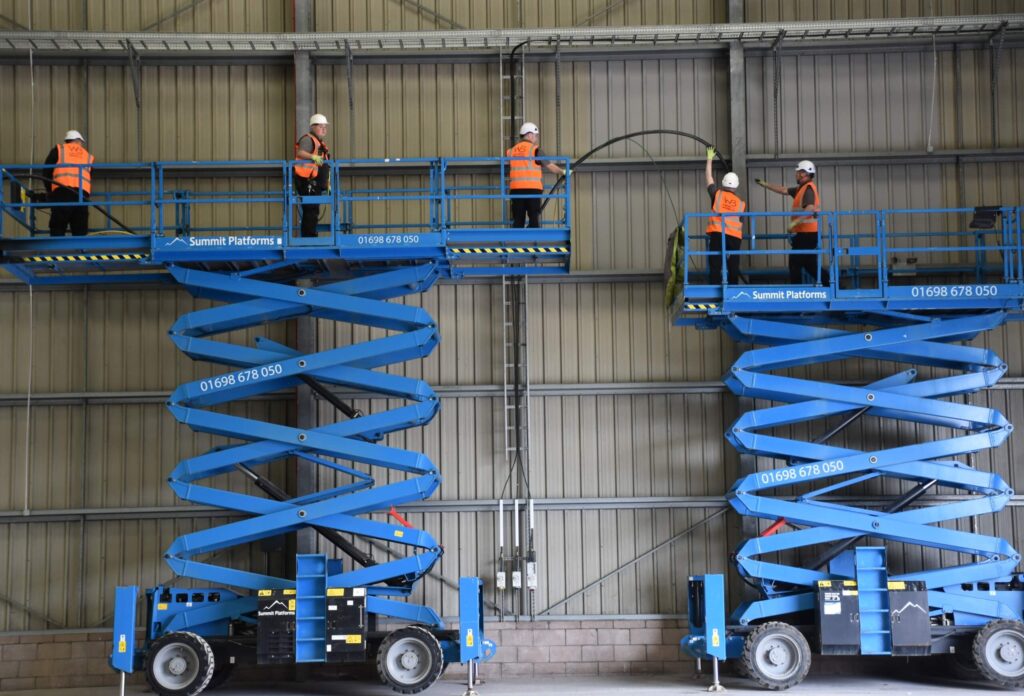
Project photograph: electrical decommissioning at the Grangemouth site.
Bridon-Bekaert
WB’s relationship with Bridon-Bekaert dates from 2014 across Coatbridge and Grangemouth. The published work includes EICR, PAT and task-specific testing alongside distribution, maintenance and machinery-related electrical support.
At Grangemouth, later work included controlled electrical decommissioning. The case shows experience with changing infrastructure, access, isolation and handover across different stages of industrial operation.
Supplier assurance
Review WB’s current accreditations and certificates. Tell us about required testing competence, insurance evidence, risk assessments, method statements and induction so the supporting information matches your site and scope.
Before you book industrial electrical testing
Manufacturing and industrial testing questions
Can testing take place while production continues?
Some work can be phased around operating areas, while other tests require isolation. Thermal surveys need suitable operating loads and safe viewing arrangements. We agree the sequence, interruptions and any separate visits. Production pressure alone does not justify exposed live work.
Does an industrial EICR certify machinery safety?
No. It reports on the agreed electrical installation. Machine guarding, emergency stops, control-system safety and equipment-specific inspection require their own appropriate assessment. Define the supply boundary and involve the machinery manufacturer or competent specialist where needed.
How often should a factory arrange electrical testing?
Use the previous report, installation condition, environment, operating duty and applicable requirements to set the programme. There is no single interval for every industrial site or test. Deterioration or an identified defect may need action before the next planned visit.
Should we review testing after installing or moving machinery?
Yes. Identify altered supplies, changed loading and affected records. New electrical work needs appropriate inspection and certification, and machinery changes may require separate checks before use. An existing EICR does not establish that a proposed new load or machine arrangement is suitable.
Can you include hazardous areas within a factory?
Tell us about the substances, classified areas and existing Ex records before scoping. WB’s current CompEx electrical services cover suitable gas and vapour work. Dust-specific work is not assumed. Full DSEAR assessment and hazardous-area classification are separate responsibilities.
Planning new supplies or alterations? Explore industrial electrical installations. For the wider service family, see Testing & Inspection.
One factory, a shutdown project or several plants
Plan your industrial electrical testing
Tell us what needs attention, where the site is and when production can accommodate the work. We can identify the information needed for a visit or quotation.
Useful information for your enquiry
- Company, site postcode and engineering or facilities contact.
- Required tests, previous reports and any written deadline.
- Approximate boards, circuits, fittings and equipment, if known.
- Shift patterns, shutdown dates and critical processes.
- Permits, access restrictions, specialist plant and restart contacts.
You can enquire before every quantity is known. Mention available drawings or reports; the office will confirm how to share them.
What affects the quotation?
Test scope, asset quantities, access, isolation complexity and working hours affect cost. Multiple visits, high-level access and coordination with specialist providers may also shape the programme.
Confirm included tests, reporting, exclusions and VAT before booking. Repairs, additional investigation and return visits are separate unless expressly included.
For a home or residential letting, use the domestic quote route.