
For facilities, estates, property and procurement teams
Commercial Electrical Maintenance Contractor in Scotland
Bring planned maintenance, reactive support and agreed testing or servicing routes under a defined electrical maintenance arrangement. WB Electrical helps set the scope, sites, priorities, response expectations, records and approval route before work starts.
From our Larkhall base, we support commercial, industrial and public-sector sites across Glasgow, Lanarkshire and the Central Belt, with wider Scottish and multi-site arrangements considered by agreement.
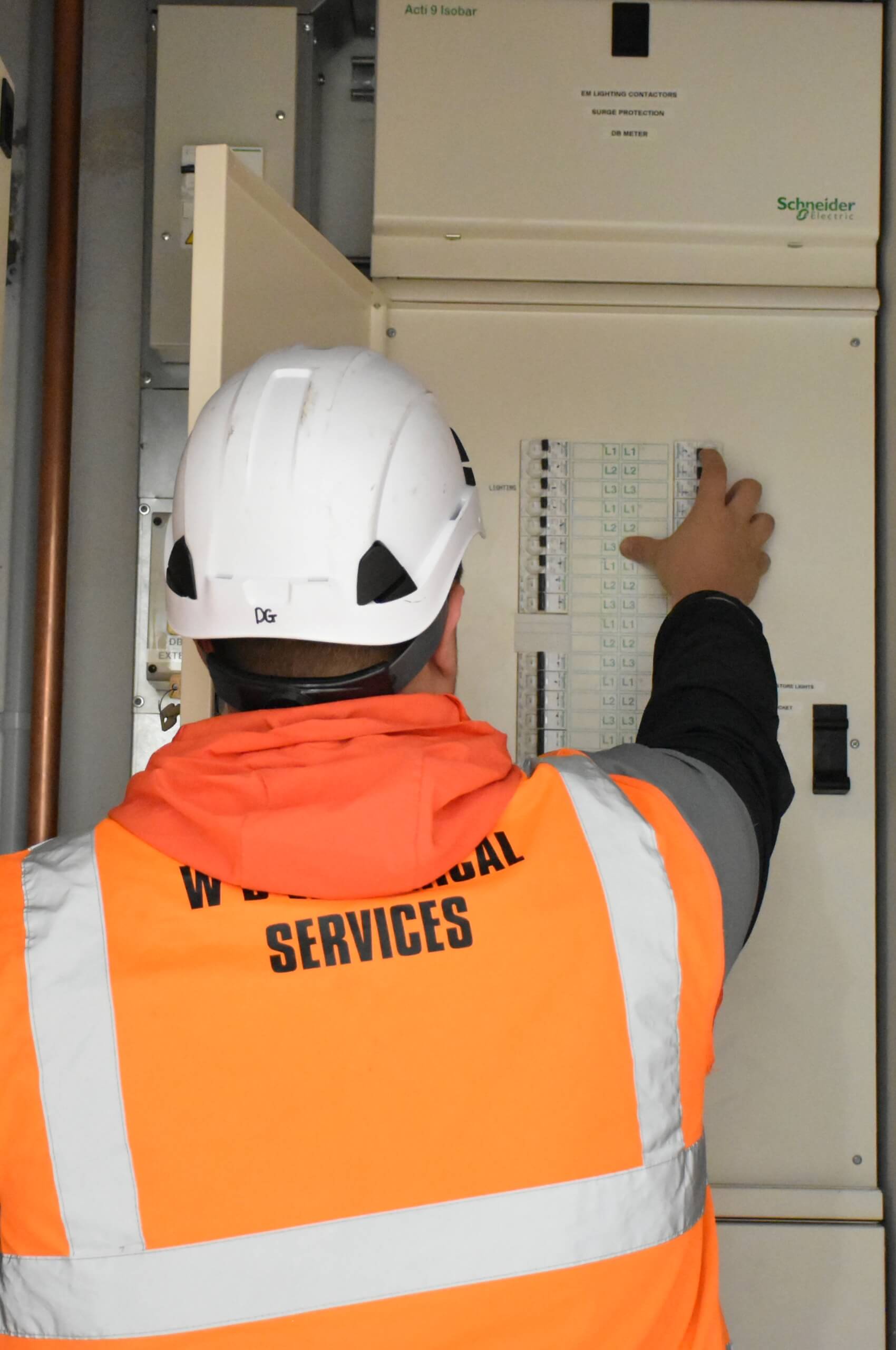
Defined scope. Agreed response. Clear records.
Built around the operating requirement
When an electrical maintenance contractor adds value
A maintenance contractor is most useful when you need a repeatable route for planned work, faults, testing and follow-up rather than organising each attendance from scratch. The agreement should define what WB is responsible for, how work is instructed and what remains outside the arrangement.

You need one coordinated route
Your team is coordinating planned visits, small electrical works, defects and recurring maintenance through several suppliers. A defined electrical contractor route can simplify instruction, site knowledge, records and follow-up.

Response expectations need defined
You need priorities, escalation routes or response expectations to be understood before an urgent fault occurs. These terms should be written into the proposal or contract rather than assumed from a previous job or another client.

You manage several sites
You manage several buildings, depots or operational locations and want a common way to raise work, approve costs, receive records and track outstanding electrical actions while retaining the differences at each site.
Need a planned programme without a wider contract arrangement? See Planned Preventative Maintenance.
Defined services, responsibilities and exclusions
What an electrical maintenance agreement can include
The agreement can combine selected maintenance services under one commercial route, but each activity should retain its own scope, competence requirement and output. The proposal should identify the sites covered, included activities, exclusions, approval limits and any recurring visit pattern.
Planned maintenance and recurring work
Planned work can include an agreed PPM programme, recurring electrical maintenance, selected servicing and scheduled small works where the assets, frequencies, access requirements and records are defined.

Reactive support and approval routes
Reactive support can include fault triage, safe isolation, diagnosis and agreed repairs. Priority categories, contact routes, out-of-hours arrangements, attendance expectations and spending authority should be stated explicitly where they form part of the service.
Testing, servicing and specialist interfaces
EICR, emergency lighting, PAT, thermography, equipment servicing, standby-power work and specialist activities keep their own technical requirements even where WB coordinates them through the same relationship. Manufacturer or other specialist responsibilities are not absorbed by default.
For individual service detail, use Thermal Imaging & Condition Monitoring, Electrical Equipment Servicing, Compliance Testing & Scheduling or Backup & Standby Power Systems.
Scope, response and a controlled mobilisation
Define the contract before mobilisation
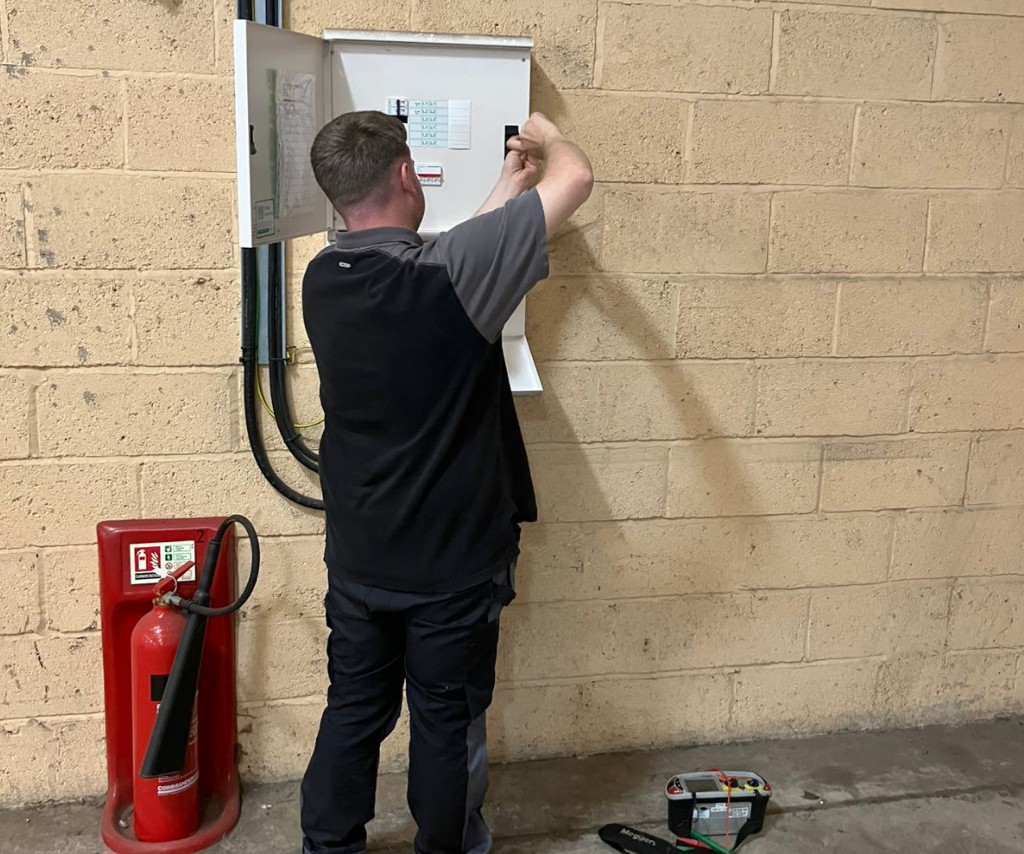
A useful maintenance arrangement starts before the first attendance. Agree the estate, site contacts, access rules, critical systems, existing records, approval route and response model so engineers and client teams know how work should move from instruction to close-out.
01
Review the estate and existing arrangements
Review the sites, operating hours, existing maintenance and testing records, recurring faults, known backlog, critical electrical systems and current supplier responsibilities. Identify gaps rather than assuming every electrical asset belongs in the contract.
02
Agree scope, priorities and commercials
Agree planned activities, reactive priorities, contact and escalation routes, working hours, attendance expectations, quotation or approval thresholds, reporting, invoicing and any tender or framework requirements before mobilisation.
03
Mobilise, deliver and review
Mobilise the agreed sites and contacts, deliver planned and reactive work through the defined route, issue the relevant task records and review recurring defects, workload and scope changes at agreed intervals.
Terms such as priority response, emergency cover or all-inclusive maintenance should not be left vague. The proposal should state what they mean, when they apply, what is excluded and what depends on engineer availability, parts, safe access or specialist support.
Want to define the right support model? Discuss an electrical maintenance arrangement with WB.
Make the relationship easier to manage
Keep instructions, records and actions controlled
Clear job close-out
- Assets, areas and planned activities included in the visit.
- Work completed, settings or parts changed and any supporting records.
- Findings, photographs, limitations and items that could not be accessed.
- Recommended actions, owner or approval route and target where agreed.
Each attendance should close with enough information for the client to understand what was instructed, what was completed, what was tested or made safe, which limitations remain and whether separate remedial work or specialist attendance is required.
Review performance and change control
- Urgent concern: raised promptly with the nominated site contact and made safe where the agreed authority and conditions allow.
- Planned corrective work: scoped for approval, parts, access and a suitable work window.
- Monitor or review: retained for comparison where condition or trend needs further evidence.
- Separate formal test: routed to the relevant inspection or testing service where a specific certificate or report is required.
A contract can set common job references, site contacts, approval routes and reporting expectations without pretending every site is identical. Local access, operating constraints, critical loads and technical responsibilities still need to follow the individual task.
Where the estate, workload or operating requirement changes, the scope should be reviewed rather than allowing unpriced duties or unrealistic response assumptions to build up informally. WB can separate recurring services from quoted projects, parts and larger remedial work through the wider electrical maintenance service.
Long-term support across a dispersed operational estate
Proven multi-site electrical maintenance support
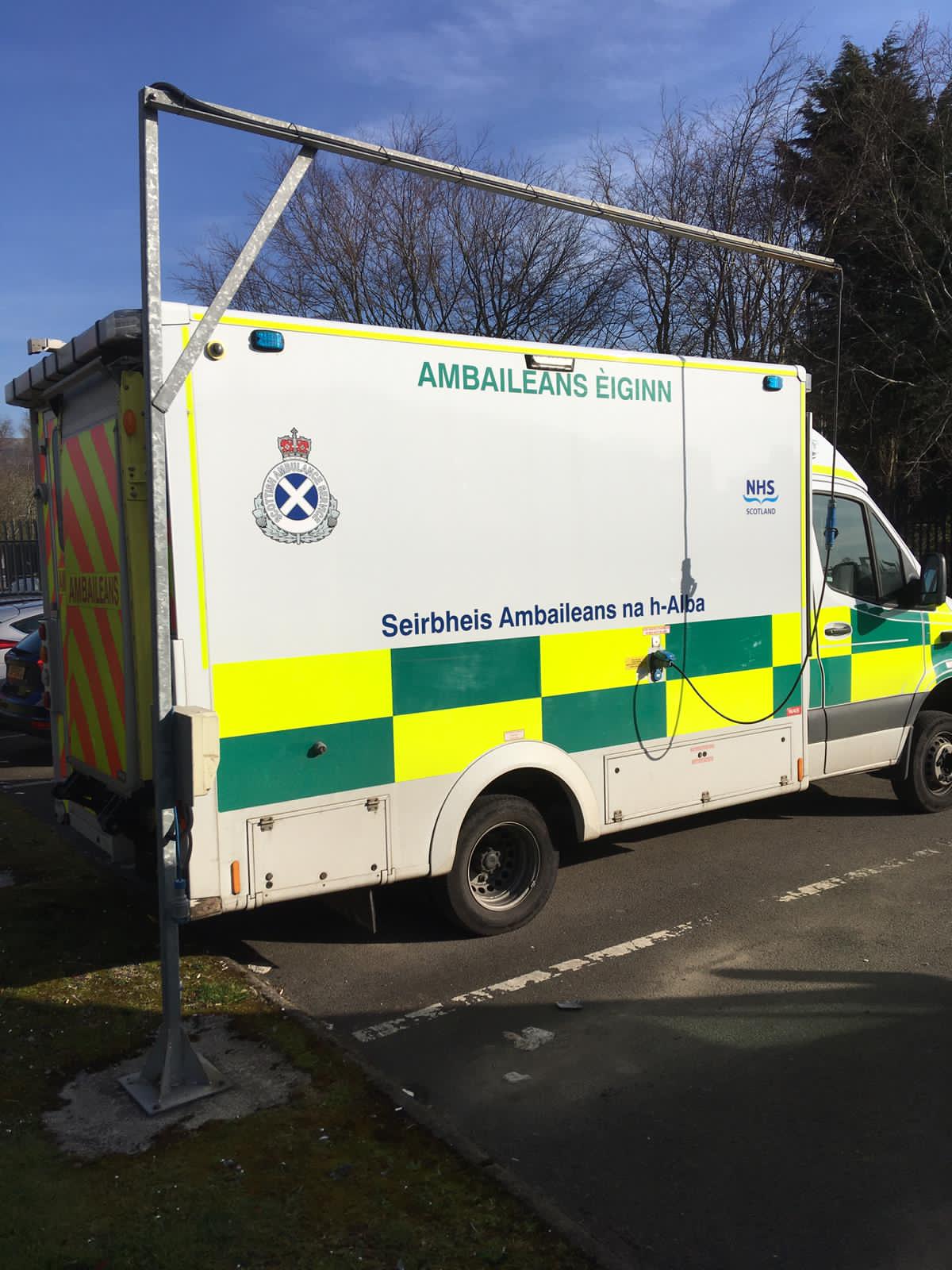
Scottish Ambulance Service
WB Electrical has supported the Scottish Ambulance Service since 1990, with more than 184 locations attended across 12 contract areas. Published work includes planned electrical infrastructure, preventative maintenance, reactive repairs, statutory inspection and testing and remedial activity.
The relationship demonstrates the value of a consistent contractor route across varied live sites. Its 24/7 on-call arrangement, including public holidays, was specific to that agreed support model and is not presented as a standard response promise for every WB client.
Supplier assurance
Review WB’s current electrical contractor memberships, management-system certificates, contractor-assurance schemes and published certificates as part of your supplier or tender assessment. The exact evidence needed should still be matched to your procurement requirements.
Practical answers before you procure
Electrical maintenance contract questions
What can an electrical maintenance contract include?
An electrical maintenance contract is an agreed commercial and service arrangement for defined electrical maintenance activities across one or more sites. It can combine planned visits, reactive support, testing coordination, servicing and follow-up work, but the included services, exclusions and approval route should be written down.
Does WB provide 24/7 electrical callout cover?
Not automatically. WB has delivered contract-specific 24/7 on-call support, including for the Scottish Ambulance Service, but availability, out-of-hours cover, priority categories and response expectations for another organisation need to be agreed separately.
Can one maintenance agreement cover several sites?
Yes. A common contract can cover several sites or an estate, with shared instruction and reporting rules. Each location should still retain its own contacts, access constraints, critical systems, maintenance needs and local records.
How are response times and service levels agreed?
Response times and service levels should be based on the agreed geography, operating need, working hours, fault priorities, safe access, resource model and what the client is buying. They should be stated in the proposal or contract, including exclusions and what happens when specialist parts or third parties are required.
Can planned maintenance and compliance testing sit under one arrangement?
Yes, where that is commercially useful. Planned maintenance and compliance activities can be coordinated through the same relationship, but EICR, emergency lighting, PAT and other tests retain their own technical scope, competent delivery and individual records.
Connected services within the maintenance relationship
Related electrical maintenance services

Start with planned maintenance
Use PPM to define recurring maintenance assets, activities, frequencies, shutdown planning and maintenance records.
Need fault response
Use reactive support for unexpected electrical faults, triage, make-safe work, diagnosis and agreed repairs.

Coordinate compliance dates
Use the scheduling route to coordinate EICR, emergency lighting, PAT and other agreed compliance activities without merging their individual test records.
Explore the Preventative & Reactive Maintenance service family
Tell us how you want the service to work
Request an electrical maintenance proposal
Tell us which sites are involved, the current maintenance arrangement, typical planned and reactive needs and what you want a contractor relationship to improve. Existing asset lists, testing schedules, fault history or tender documents can help define the starting scope.
Information for your proposal
- Company or organisation, site address and number of locations.
- Building use, operating hours and critical systems or areas.
- Asset lists, drawings, previous reports and known recurring faults, if available.
- Shutdown windows, permits, escorts and access or isolation restrictions.
- Preferred visit pattern, reporting needs and target start date.
Mention any available specifications, site lists, service-level requirements or existing records in the quote form. The office will confirm a suitable way to share them. Please do not remove electrical covers to take photographs.
What affects maintenance contract cost?
Site count and geography, operating hours, planned visit frequency, reactive coverage, response expectations, specialist services, reporting, approval rules, travel, parts arrangements and procurement requirements all affect price. A generic monthly figure can hide important responsibilities.
The next step may be a document review, clarification call, site survey, pilot arrangement or formal proposal. 24/7 cover, guaranteed attendance, parts, specialist servicing and project work are included only where the proposal states them.
Based in Larkhall, we support suitable electrical maintenance arrangements across Glasgow, Lanarkshire and the Central Belt. Larger estates and wider Scottish requirements are considered by agreement.