
For production, engineering and site management teams
Electrical Maintenance for Manufacturing & Industrial Sites in Scotland
Plan preventative maintenance and responsive electrical support around production, machinery, critical distribution and shutdown windows. WB Electrical helps keep electrical systems dependable, actions visible and disruption controlled.
Based in Larkhall, we support factories and industrial premises across Glasgow, Lanarkshire and the Central Belt. Larger sites and planned maintenance programmes elsewhere in Scotland are considered by agreement.
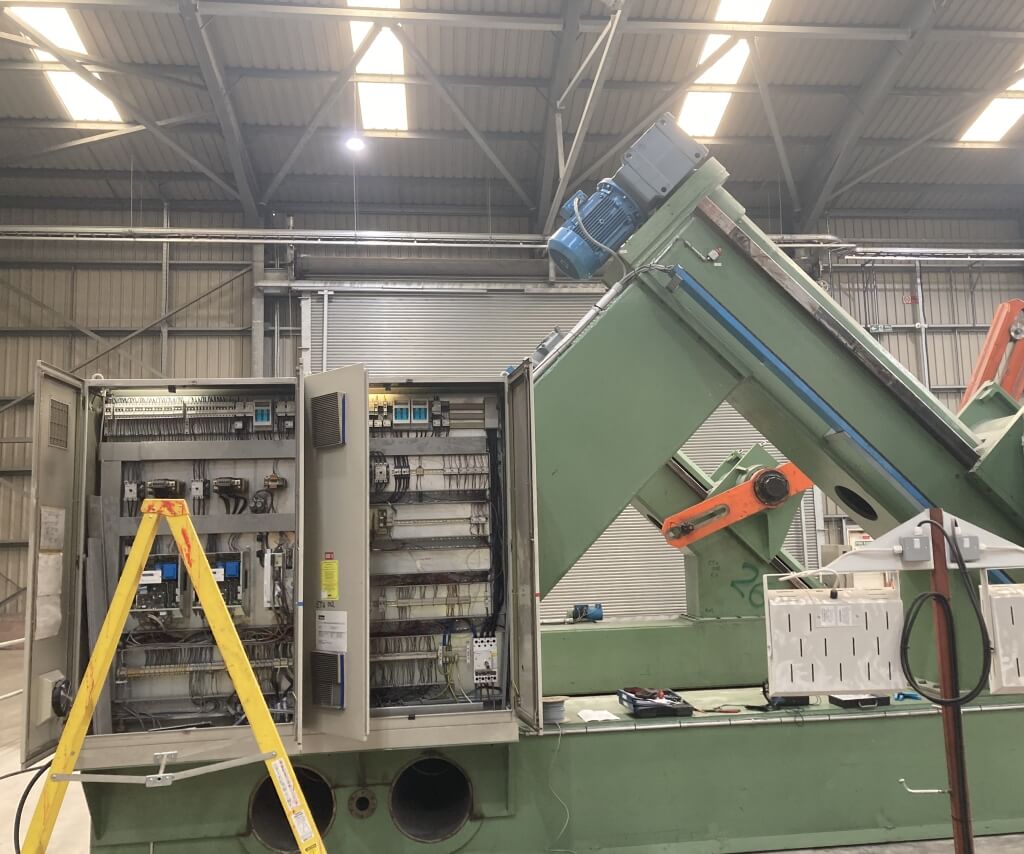
Practical electrical support around live production.
Industrial sites can have several maintenance priorities
Maintenance shaped around production and changing plant
A production line fault, ageing distribution and a planned shutdown call for different starting points. Begin with what keeps the operation running, which equipment can stop and which electrical systems or supplies are critical to production.

Make shutdown windows count
Maintenance, cleaning, engineering work and production restart may compete for the same hours. Define the electrical tasks early so planned work, access and testing fit the available shutdown rather than creating avoidable delay.

Keep machinery interfaces and responsibilities clear
Machinery can involve fixed supplies, isolators, drives, sensors, safety devices and control interfaces. Confirm the electrical boundary, equipment owner and specialist responsibilities before assuming one maintenance scope covers the whole machine.

Manage change across plant, distribution and records
New machinery, heavier loads, moved production lines and altered layouts can change the electrical picture over time. Keep asset references, known faults, completed work and open actions connected to the current installation.
Start with the part of production that needs attention
Bring the right maintenance services into one plan
These services solve different maintenance problems. We can scope one immediate requirement or combine several within a practical programme, while keeping the purpose, limitations and records of each activity clear.
Planned maintenance and routine care
For recurring attention to distribution, lighting, local isolators, fixed supplies and agreed electrical assets before avoidable deterioration becomes production disruption.
A planned programme can combine agreed inspections, servicing, minor maintenance and action tracking around shifts, shutdowns, equipment availability and the way the plant is operated.

Reactive faults and production-critical repairs
For unexpected power loss, repeated tripping, damaged equipment supplies, lighting faults and electrical issues affecting plant availability that need investigation and a safe next step.
Reactive support can cover triage, make-safe work, fault finding and practicable restoration or repair within the agreed electrical scope and response arrangement.

Electrical equipment servicing and repairs
For distribution boards, isolators, protective devices, fixed equipment supplies and agreed machinery electrical interfaces that benefit from planned attention.
Servicing scope depends on the asset and manufacturer requirements. Internal mechanical work, proprietary controls or software, full machine-safety assessment and manufacturer-only servicing remain with the appropriate specialist unless expressly included.
Condition, compliance and continuity needs
Thermal imaging and condition monitoring can support repeat condition tracking where suitable. Compliance testing and scheduling helps coordinate due dates and records without replacing the individual test requirements.
For critical controls, IT, process support or other continuity concerns, backup and standby power support can address agreed electrical interfaces. If you need one defined contractor relationship across several services or sites, see Electrical Maintenance Contractor.
Production, machinery and a workable shutdown
Agree access, isolation and restart responsibility
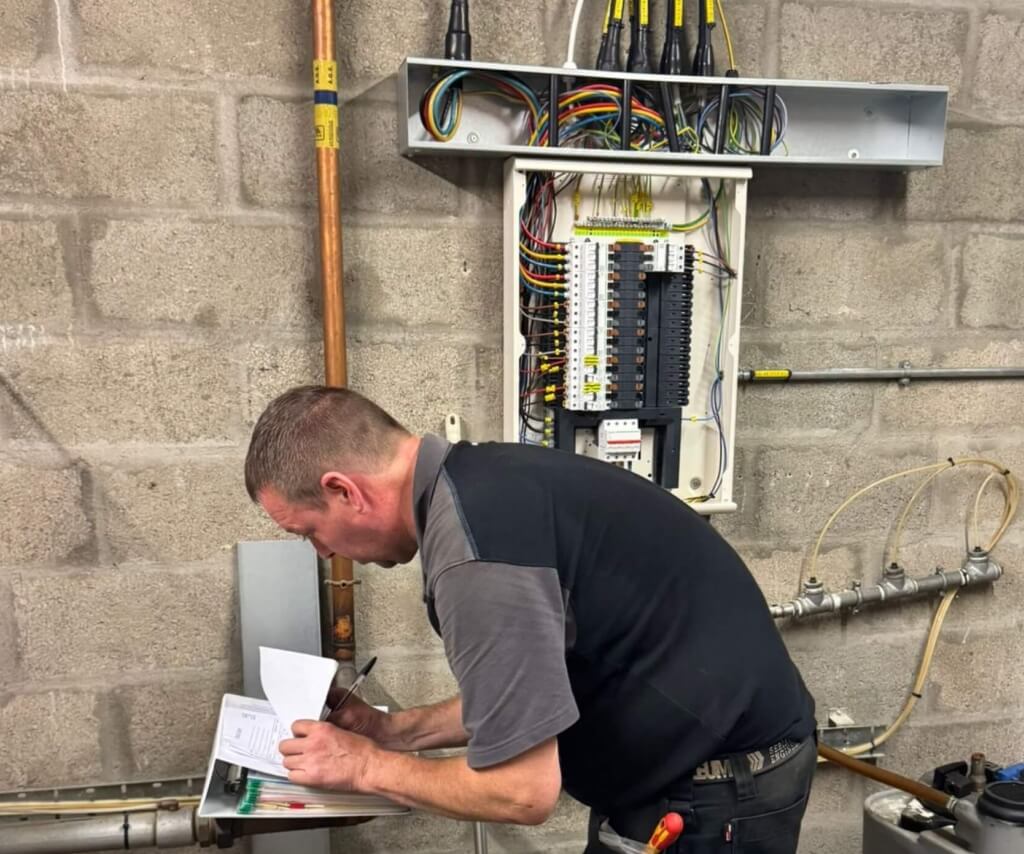
Some maintenance tasks require electrical isolation, work at height or controlled access. Identify production lines, extraction, compressed-air systems, process controls, cranes, sensitive equipment and other affected services before booking. Agree who can authorise interruption, who controls related stored energy and who confirms the equipment is ready to return to service.
01
Map production areas and critical supplies
Confirm the production lines, workshops, plant rooms, warehouses, yards and relevant equipment supplies within scope. Identify critical circuits, local contacts and the people authorised to approve access, isolation and follow-on work.
02
Coordinate engineering teams and equipment specialists
Coordinate with production, engineering, H&S and equipment specialists where their systems may be affected. Agree permits, lock-off arrangements, access equipment, stored-energy controls, manufacturer restrictions and the handback route before work begins.
03
Choose a realistic maintenance window
Review production schedules, batch completion, cleaning, shift changes and planned shutdown activity. Phased zones or agreed evening and weekend visits may help, but the electrical task, access method, safe isolation and restart requirements determine what can be completed in each window.
Any inaccessible area, unavailable asset or unresolved isolation should remain visible in the work record. A restricted attendance must not imply that excluded equipment or areas have been maintained.
Need help fitting maintenance around production? Discuss your industrial maintenance plan.
From individual visits to maintainable plant records
Keep actions connected to the right asset and production area
Useful maintenance records identify the site, area or asset, the work completed, defects found and actions still open. Agree board, line and equipment references before recurring visits begin.
For each attendance
- A clear site, zone or asset reference and the agreed maintenance scope.
- Work completed, limitations and anything that could not be accessed.
- Urgent defects raised with the nominated site contact.
- Follow-on actions, records provided and the next agreed review or attendance.
Across production areas or several sites
Use consistent site names, asset references, local contacts and work references. Planned tasks, recurring faults, outstanding repairs and future review dates can then remain connected to the correct plant or production area rather than becoming a separate email trail.
The aim is a maintenance record your engineering team can use when faults recur, loads or layouts change, shutdowns are planned or follow-on work is authorised.
Where installation changes are needed: keep the maintenance finding separate from the alteration scope and quotation. New circuits, distribution changes, machinery supplies or wider upgrades can be routed to manufacturing and industrial electrical services.
Practical experience across live manufacturing and industrial sites
Experience across changing industrial facilities
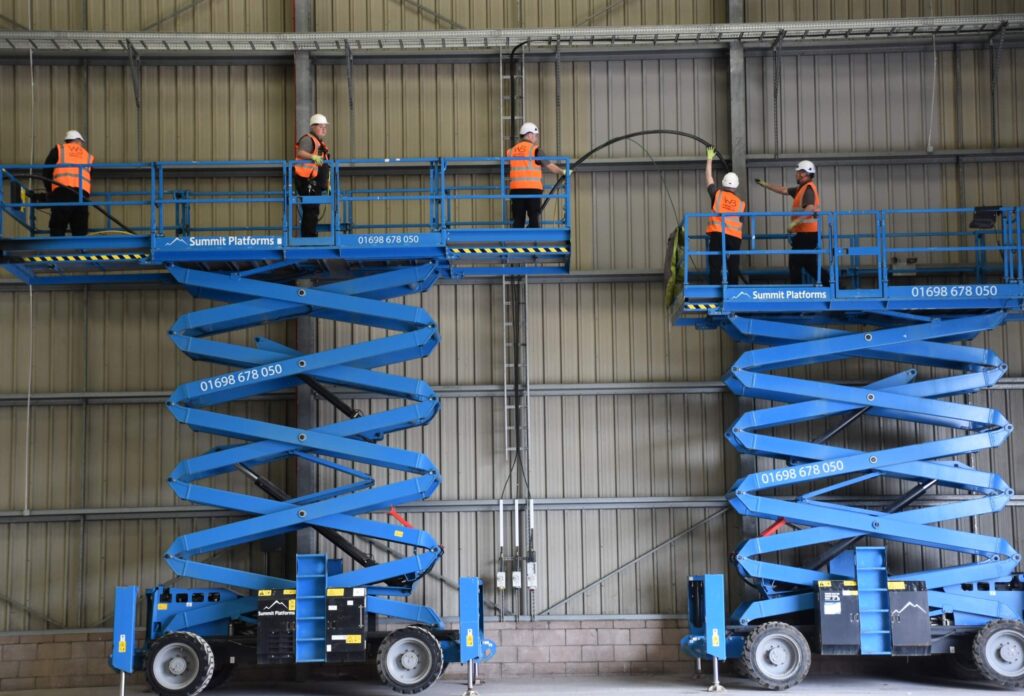
Bridon-Bekaert, Coatbridge & Grangemouth
WB’s published Bridon-Bekaert case study records a relationship since 2014 across manufacturing and warehouse facilities in Coatbridge and Grangemouth.
The recorded work includes ongoing maintenance, reactive repairs, distribution and three-phase supplies, machinery-related diagnostics and control-component work, lighting, testing and later electrical decommissioning. It demonstrates practical industrial support without implying that WB automatically owns every mechanical, software or OEM responsibility associated with production machinery.
Supplier assurance
For contractor selection and procurement, review WB’s current accreditations and certificates. Tell us about supplier questionnaires, service levels, inductions, permits, RAMS, machinery-isolation rules or site-specific engineering procedures when enquiring.
Before you set the maintenance arrangement
Manufacturing and industrial maintenance questions
What should manufacturing and industrial electrical maintenance include?
Industrial electrical maintenance can include planned preventative work, servicing, fault response, condition monitoring, compliance scheduling and agreed remedials. The useful scope depends on production criticality, electrical assets, operating hours, environment, shutdown opportunities and the boundaries between site electrical infrastructure and specialist machinery.
Can maintenance be planned around production and shutdowns?
Yes. Depending on the task, work can be phased by area or planned around agreed shifts and shutdown windows. HSE guidance recommends using downtime for maintenance where practicable, but production pressure does not remove the need for safe access, suitable isolation and a controlled return to service.
Do you maintain machinery and production equipment?
WB can support agreed electrical supplies, isolators, protection, drives, sensors, control components and other electrical interfaces serving machinery where these are within scope. Internal mechanical work, proprietary software or controls, full machine-safety assessment and manufacturer-only servicing remain with the relevant specialist unless expressly included.
Do you provide reactive or out-of-hours support for industrial sites?
Reactive support can be included or arranged separately. Response times, out-of-hours coverage and priority categories depend on the agreed maintenance arrangement, geography and availability. A contract-specific 24/7 service should not be assumed unless it is expressly agreed.
Can one maintenance arrangement cover several factories or industrial sites?
Yes. A maintenance arrangement can cover several plants or industrial sites with consistent contacts, instruction routes and reporting. Each location can still retain its own asset scope, production pattern, permits, shutdown constraints, priorities and agreed response expectations.
Need testing-specific information as well? See manufacturing and industrial electrical testing. For the wider service family, explore Preventative & Reactive Maintenance.
One factory, a changing production line or several industrial sites
Plan maintenance for your manufacturing or industrial site
Tell us what is prompting the enquiry and how the site operates. We can identify whether the next step is a scope discussion, site review, immediate fault response or a maintenance quotation.
Useful information to send
- Company, site address and production area, line or asset references.
- The maintenance need, recent faults and any existing service or inspection records.
- Key electrical assets, machinery interfaces, critical supplies and known recurring problems, if available.
- Operating hours, shutdown windows, access, permit and isolation restrictions.
- One-off support, recurring visits or a programme covering several production sites.
Missing asset lists or perfect records need not stop an enquiry. Mention any drawings, previous reports, fault history, shutdown plans, equipment information, manufacturer instructions or existing contractor records you have; the office can confirm the useful next step.
What affects the quotation?
Site size, asset scope, operating hours, shutdown complexity, high-level access, isolation arrangements, planned visit frequency, reactive cover, reporting requirements and any specialist or hazardous-area interfaces all affect cost. Multi-site consistency can simplify administration, but each location still needs a realistic scope.
Planned work, reactive response, parts, access equipment, specialist attendance and follow-on alterations are priced according to the agreed arrangement. Any service level, out-of-hours commitment or machinery-specific responsibility must be explicit in the quotation or contract.
For a home or residential letting, use the domestic quote route.