
For hotel owners, operators and property teams
Electrical Testing for Hotels & Hospitality
Arrange EICR, emergency lighting and PAT testing around guest rooms, meal service and the systems your business depends on. WB Electrical helps you agree the scope, plan access and keep clear records of findings and follow-up.
Based in Larkhall, we support hotels, restaurants, bars and hospitality premises across Glasgow, Edinburgh, Lanarkshire and the Central Belt. Wider Scottish properties are considered by agreement.
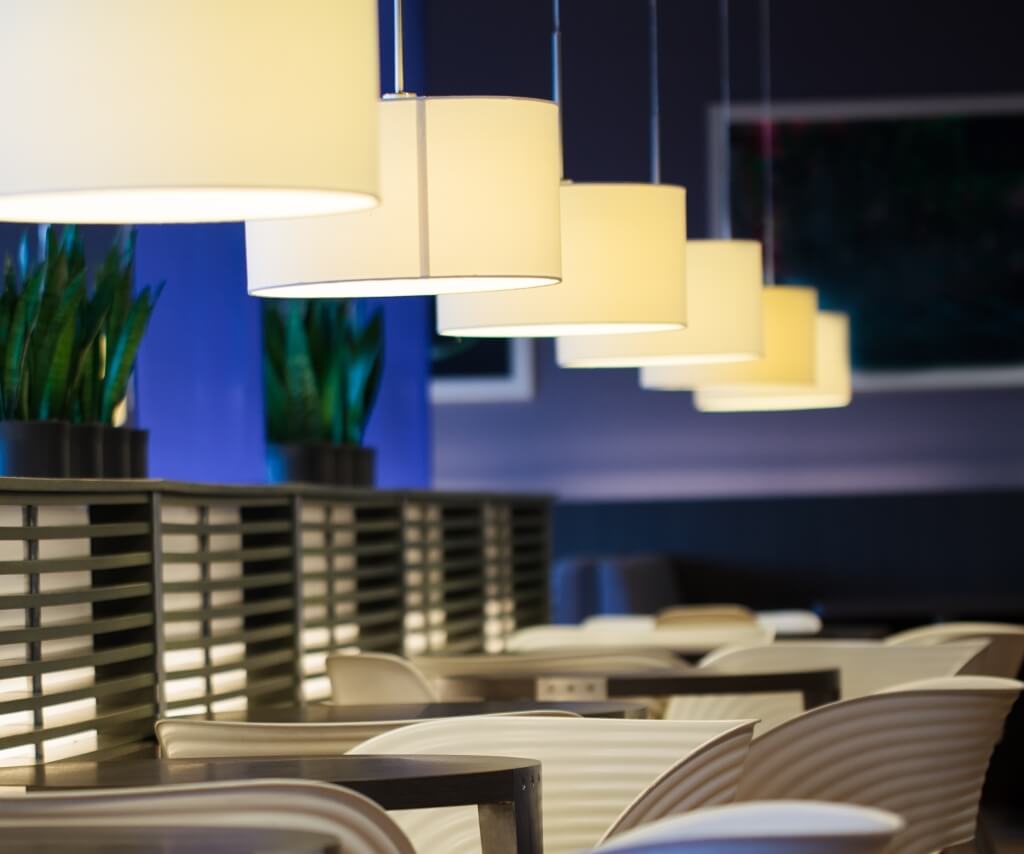
A testing plan built around your guests and service.
Guest comfort, safe occupation and a working business
Start with the pressures on your property
Bedrooms, kitchens and public areas follow different routines. A useful testing programme starts with those differences and the reason you need the work.

Work around booked rooms
Room availability, housekeeping and guest privacy affect access. Agree which rooms or floors can be released, who controls keys and how unfinished checks will be followed up.

Plan around food and functions
Breakfast, kitchen preparation, evening service and events leave different windows. Identify refrigeration, extraction, payment systems and other supplies that cannot be interrupted without a plan.

Bring the records up to date
An acquisition, refurbishment or insurer request may expose missing reports. Establish the areas covered, outstanding findings and exact evidence needed before commissioning more tests.
Different checks for the building and its equipment
Bring the right tests into one plan
Start with the requirement that matters now. We can coordinate several services while keeping their scope, results and limitations clear.
Fixed wiring and building supplies
Distribution boards, lighting, sockets and agreed fixed supplies serving bedrooms, kitchens, public areas and plant.
An Electrical Installation Condition Report (EICR) records the included installation’s condition and test results. Define separate landlord, operator and tenant areas, together with any equipment outside the agreed scope.

Emergency lighting and escape routes
Emergency fittings and exit signs serving guest corridors, stairs, function spaces and final exits.
Functional and full-duration testing checks the agreed emergency lighting. Plan the timing and battery recharge around safe occupation, record defects and identify where changed layouts need a separate design review.

Guest, housekeeping and workplace equipment
Suitable kettles, hairdryers, lamps, cleaning equipment, leads and plug-in catering or office appliances.
Appropriate inspection and PAT testing reflect the equipment, handling and environment. Frequently moved cleaning appliances may need a different regime from stationary office equipment. Identify specialist catering equipment before scoping.
When a concern needs a closer look
Thermal imaging can help investigate temperature patterns in selected electrical equipment under representative load and with safe viewing access. Targeted condition inspections can address a defined concern. Neither replaces a required EICR.
For an insurer or property audit, electrical compliance documentation support helps identify relevant records and gaps. Share the written request; the requesting organisation decides what it accepts.
Reception, housekeeping, kitchen and maintenance teams
Coordinate the visit with the people running the site
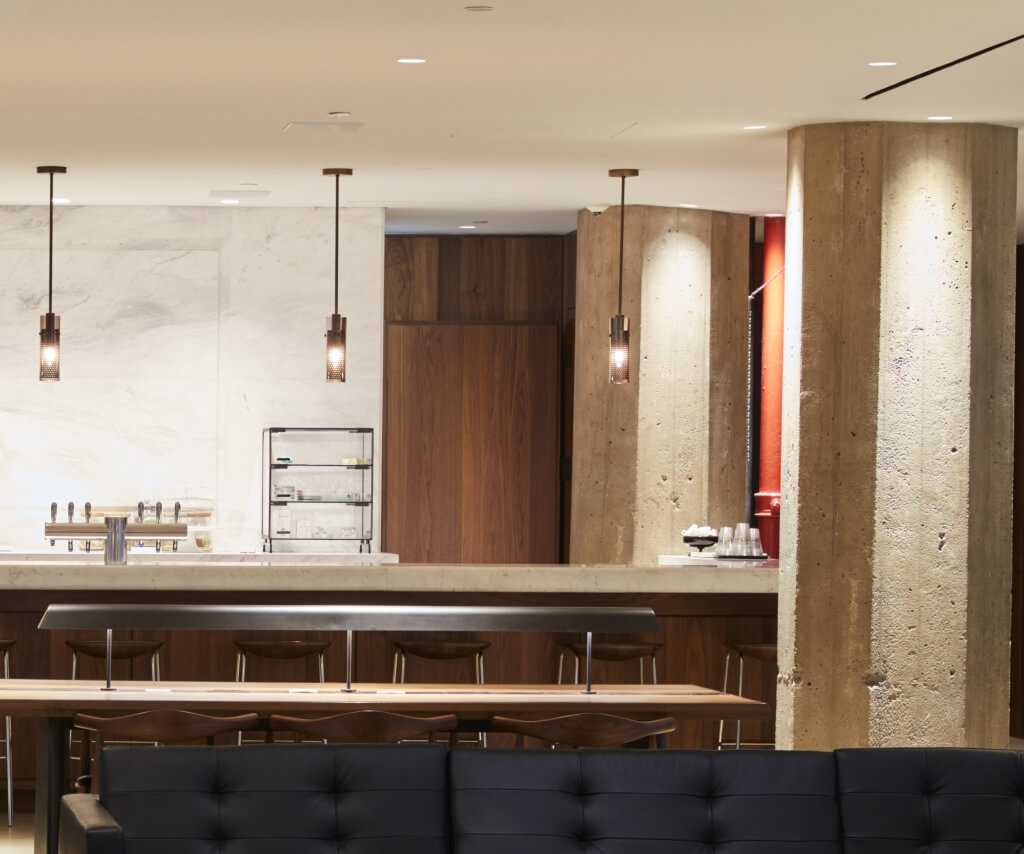
Some inspection and testing requires the power to be switched off. Flag refrigeration, kitchen extraction, heating, booking systems, door access and other critical supplies. Agree the effects of isolation and the arrangements needed to keep guests and staff safe.
01
Agree the areas and responsibilities
Share previous reports, board references and a room or floor plan where available. Identify the owner, operator and maintenance contacts. Tell us about leased concessions, spa or pool equipment and other specialist systems.
02
Set access and interruption windows
Coordinate room release, meal service and events. Agree guest notices, escorts, keys, noise restrictions and work-area separation. Early, late or phased attendance can be discussed against the scope and available programme.
03
Confirm checks before handback
Allow for reinstatement, emergency-lighting recharge and the site team’s checks of affected equipment. Confirm who authorises rooms or service areas to return to use and how any remaining work will be arranged.
Have a quieter period or refurbishment coming up? Discuss a workable testing schedule.
Clear information for the property and the people responsible
Keep findings connected to the right room or asset
Agree report recipients and the contact for significant concerns before the visit. Useful records should make it clear what was checked and what still needs attention.
For the individual property
- Site, room, board, circuit or equipment references.
- Applicable reports, test schedules and equipment records.
- Unavailable areas, limitations and follow-up required.
- Defects and concerns raised with the nominated contact.
For a hotel group or managed estate
Use consistent property and asset references across reports. Keep each site’s results, review dates and open actions visible so a change of manager or contractor does not lose the history.
Coordinate visits where practical, while retaining a programme that reflects each building’s condition and use.
When findings need action: distinguish immediate safety measures, further investigation and planned repairs. EICR remedial works can support agreed follow-up, with appropriate completion evidence kept alongside the original report.
Relevant experience in occupied working buildings
Coordination supported by real project experience
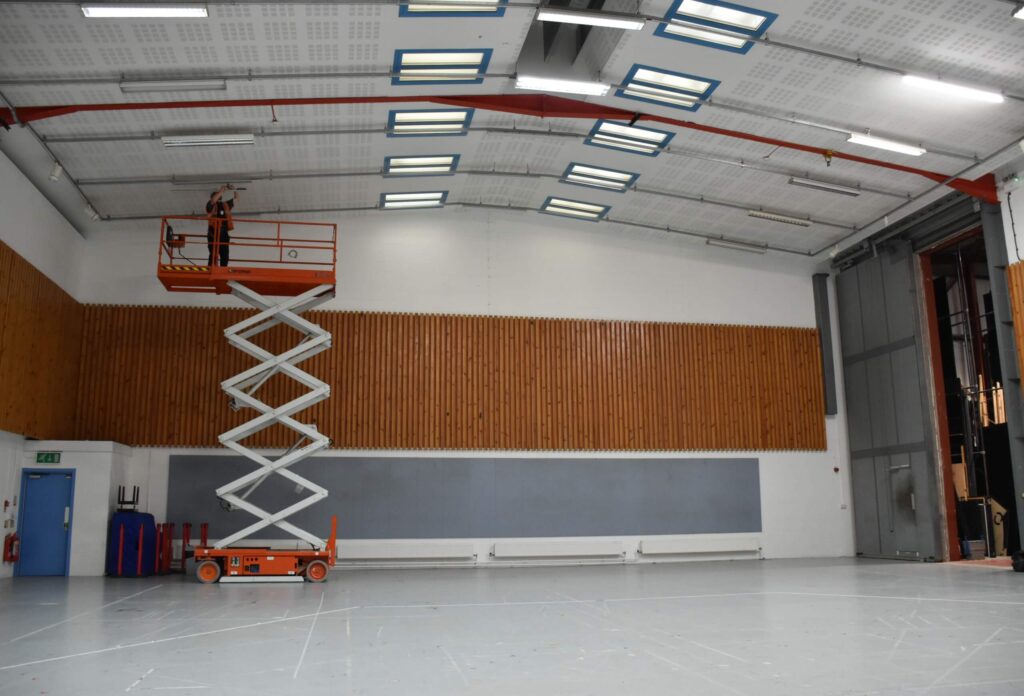
Project photograph: lighting work at a Scottish Opera site in Glasgow.
Scottish Opera, Glasgow
WB’s published Scottish Opera work includes EICR, remedial work, PAT and emergency lighting across its working estate. The relationship dates from 2015 and includes rehearsal, production, workshop and support spaces.
The case describes coordination with the maintenance team around room use, access and handover. That experience is relevant when planning access and handback in an occupied hospitality building.
Supplier assurance
Review WB’s current accreditations and certificates. Share your requirements for testing competence, insurance evidence, risk assessments, method statements and site conduct so the supporting information matches your property and scope.
Before you book hospitality electrical testing
Hotel and hospitality testing questions
Can a hotel stay open during electrical testing?
Work may be phased through released rooms or areas, but some tests require isolation. Agree guest access, affected services and safe handback before attendance. A short gap between checkout and check-in will not suit every test, and uninterrupted operation cannot be assumed.
How often should we arrange hotel electrical testing?
Use the previous reports, equipment condition, environment and applicable requirements to set the programme. There is no blanket annual PAT requirement for every appliance. Emergency lighting needs its own routine checks and duration tests; one annual contractor visit does not replace the ongoing checks.
Does this provide one certificate covering all hotel safety duties?
No. Each report covers the agreed electrical work. Electrical testing supports the property’s wider safety arrangements but does not replace its fire-risk assessment, fire-alarm maintenance or specialist equipment servicing. Tell us what an insurer or assessor has actually requested.
What if the hotel is in an older or listed building?
Share known access restrictions, sensitive finishes, previous alterations and any conservation requirements. Agree access to wiring and equipment before work begins. Where repair or alteration affects protected fabric, establish the necessary permissions and specialist input as a separate part of planning.
Can we discuss separate meters for the kitchen and lounge?
Yes. Sub-metering is a separate installation and monitoring requirement. The circuit arrangement, loads and readings you need determine the scope. It can help distinguish electricity use between areas; it does not replace safety testing or by itself deliver an energy saving. See our electrical installation services.
For the full service family, see Testing & Inspection. Planning lighting improvements too? Explore hospitality lighting upgrades.
One hospitality property or a planned programme
Plan the next testing visit for your property
Tell us what has prompted the enquiry, where the property is and when access may be possible. We can identify the information needed for a site visit or quotation.
Useful information for your enquiry
- Business, property postcode and facilities or management contact.
- Required tests, previous reports and any written deadline.
- Room count and approximate boards, fittings or appliances, if known.
- Guest occupancy, meal service and event restrictions.
- Critical supplies, access arrangements and specialist equipment.
You can enquire before every quantity is known. Mention available plans or reports; the office will confirm how to share them.
What affects the quotation?
Test scope, quantities, room access, isolation arrangements and working hours affect cost. Phased visits, high-level fittings and coordination with other contractors may also shape the programme.
Confirm included tests, reporting, exclusions and VAT before booking. Repairs, additional investigation and return visits are separate unless expressly included.
For a private home or residential tenancy, use the domestic quote route.