
For warehouse, depot and distribution teams
Electrical Testing for Warehouses & Logistics Sites
Coordinate EICR, emergency lighting, equipment checks and thermal surveys around stock movement, dispatch times and critical supplies. WB Electrical helps you agree the testing scope, plan safe access and act on clear findings.
From Larkhall, we support warehouses and distribution centres across Glasgow, Edinburgh, Lanarkshire and the Central Belt. Larger sites and depot programmes elsewhere in Scotland are considered by agreement.
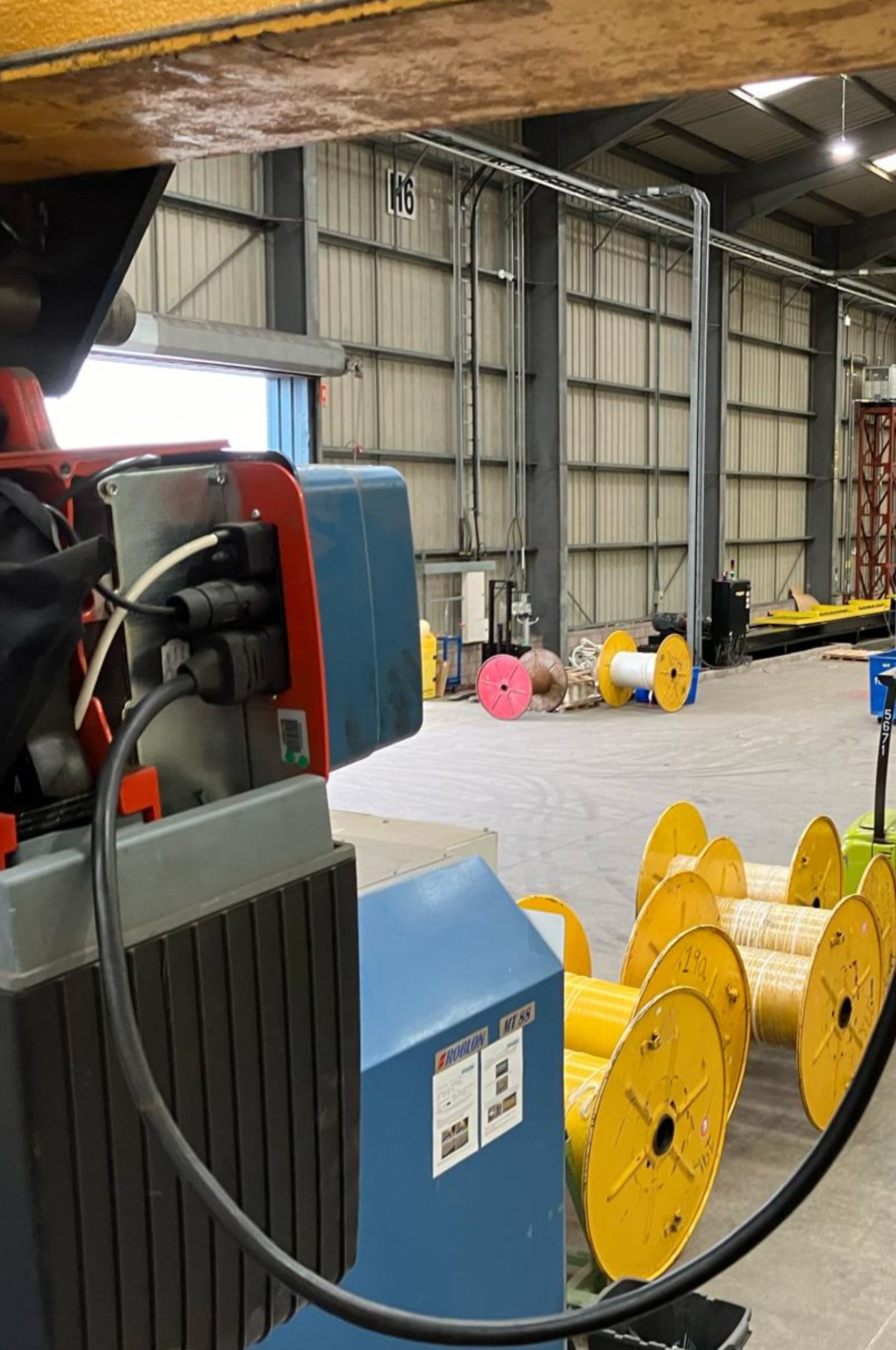
A testing plan built around your operation.
The building, the equipment and the working day
Testing shaped by your warehouse priorities
A busy distribution centre, a storage unit and a depot network need different arrangements. Start with the reason for the work and the operations that could be affected.

Keep dispatch and shifts organised
Goods-in, picking, packing and loading may depend on shared supplies. Identify busy periods and affected teams so a planned test does not become an unexpected stoppage.

Respond to changes or deterioration
Racking moves, new equipment, damaged accessories or recurring faults can change the inspection need. Review affected areas and existing records before choosing the next check.

Prepare for a reporting deadline
An insurer request, audit, lease event or several approaching test dates may need coordination. Establish the required evidence and any unresolved findings early.
Match the check to the assets and the question
Bring the right electrical checks into one plan
Choose the services relevant to your site. Coordinated visits can simplify access, but each inspection or test retains its own scope, method and records.
Fixed wiring and distribution
Boards, lighting, sockets and agreed fixed supplies to doors, conveyors or charging areas.
An Electrical Installation Condition Report (EICR) records the condition of the included installation, with findings, test schedules and limitations.

Escape routes and emergency fittings
Emergency lighting and exit signs serving warehouse aisles, stairs, offices and final exits.
Functional and duration testing checks the agreed fittings. Record failures and plan follow-up around the premises and its escape arrangements.

Plug-in equipment across shifts
Suitable printers, scanner power supplies, portable tools, cleaning equipment and welfare appliances.
PAT combines appropriate inspection and testing. Equipment use, handling and environment matter when setting the approach; one office routine may not suit the warehouse floor.
Loaded boards and critical supplies
Selected distribution equipment and panels that can be viewed safely under representative load.
Thermal imaging records unusual temperature patterns for investigation or monitoring. Agree the operating window and safe viewing method; it does not replace an EICR.
Focused condition checks and document requests
Targeted condition inspections can examine an agreed asset or concern between wider inspections. They do not certify concealed wiring or replace a required fixed-installation report.
If records are incomplete or an insurer has asked for documents, electrical compliance documentation support helps identify the relevant evidence and gaps. Share the written request and deadline.
Access, interruptions and a controlled return to service
Agree the working plan before attendance
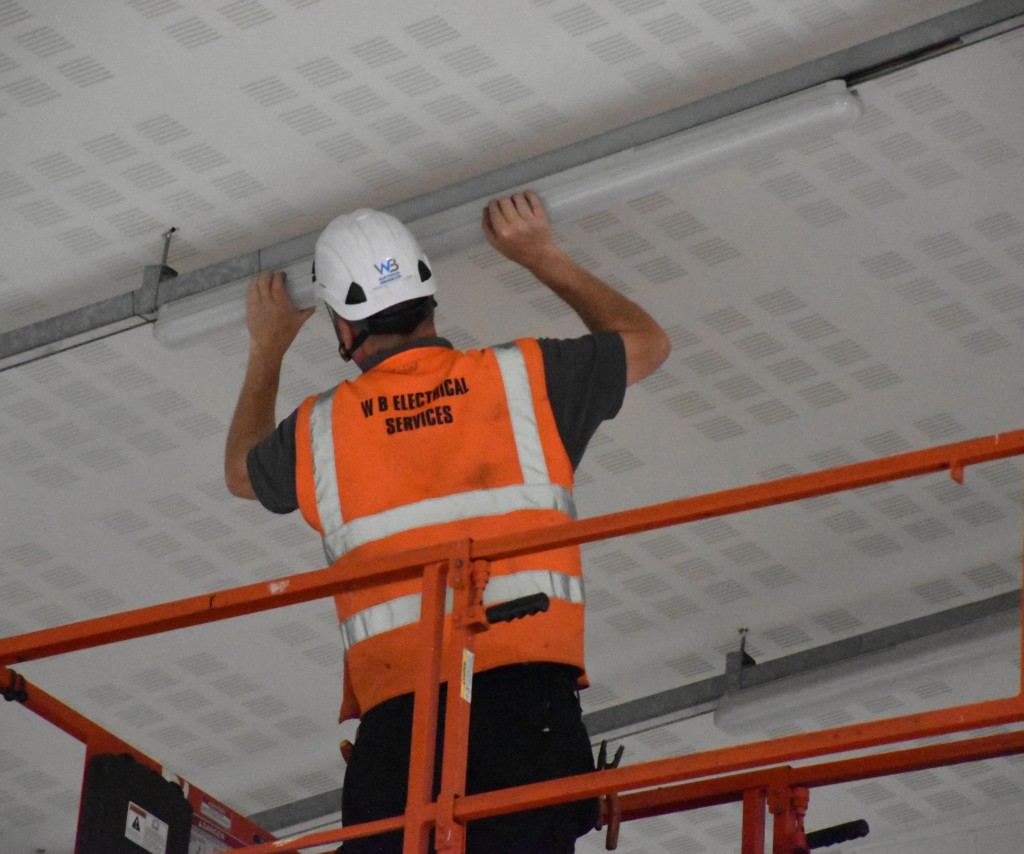
Some tests require the power to be switched off. Flag conveyors, roller doors, refrigeration, charging bays, IT and security supplies early. Agree what can stop, who authorises it and who checks the affected operation after reinstatement.
01
Map the areas and responsibilities
Define warehouse zones, offices, yards and landlord-controlled supplies. Identify critical circuits, equipment owners and any cold-store, hazardous-area or manufacturer restrictions requiring a separate scope.
02
Arrange safe access around traffic
Keep boards accessible and agree aisle closures, escorts and permits. Coordinate work at height and access equipment with forklift movements, pedestrians and stored goods. Site information informs the risk assessment and method.
03
Set the test and handback windows
Plan around dispatch cut-offs, shift changes and available equipment. Phased or evening/weekend visits may suit some work. Allow for emergency-lighting discharge and recharge, and involve equipment providers where controlled shutdown or restart is needed.
Restricted access or an unavailable isolation must be recorded, with the remaining checks identified. A tight operating window does not justify unsafe access or describing untested areas as verified.
Need a test window that fits your shifts? Discuss your warehouse testing plan.
Records your site and property teams can use
Connect each finding to an asset and a next step
Agree site names, board references and the report recipient before testing. The handover should make it clear what was checked and what remains outstanding.
For the agreed work
- Site, zone and relevant board or equipment references.
- Applicable reports, schedules and test records.
- Limitations, unavailable items and follow-up requirements.
- Significant concerns raised with the nominated contact.
Across a depot or warehouse network
Use consistent site references and a visible list of open findings. Keep local contacts, previous reports and recommended next reviews connected to the relevant premises, even when visits are coordinated centrally.
Priorities and intervals should reflect each installation, equipment type, use and previous findings. One depot’s results or test date should not be applied automatically to every site.
Where repairs are needed: agree the investigation or remedial scope, working window and appropriate completion evidence. Keep proposed work distinct from completed actions. Explore EICR remedial works.
Experience with operational industrial and storage sites
Electrical support across a working estate
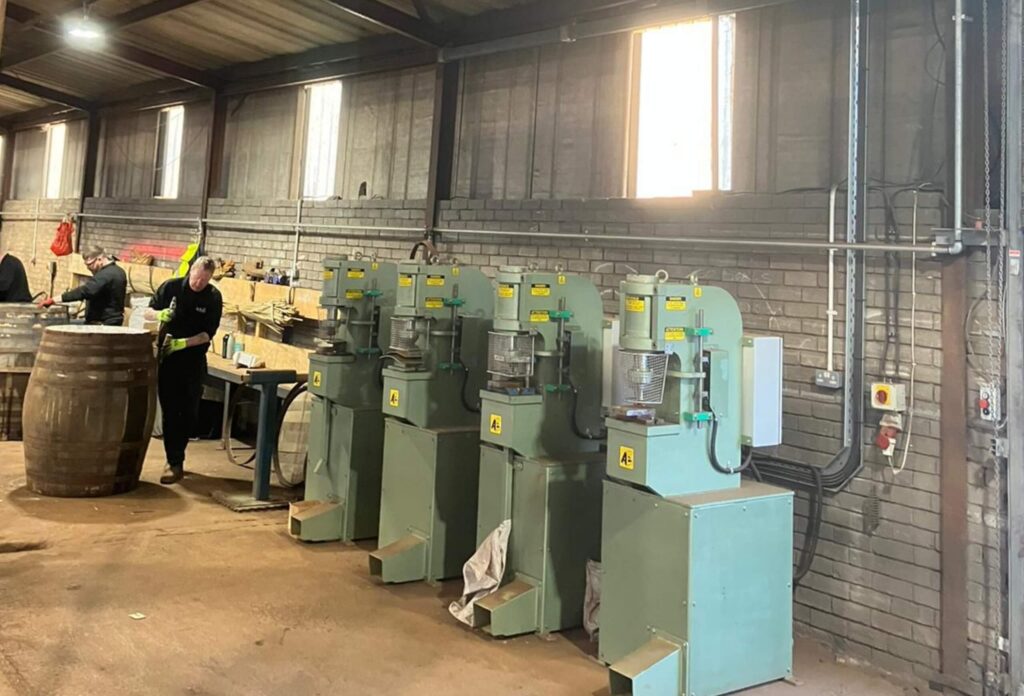
North British Distillery
WB has supported North British Distillery since 2016, including its Edinburgh distillery and associated West Lothian warehousing sites. The published case includes EICR inspections, emergency-lighting work, thermal investigation and electrical remedials.
The wider work also includes supplies to forklift charging bays, roller doors and supporting equipment. Access, stored stock, permits and isolation windows are considered for each task, with the completed electrical scope handed back clearly.
Supplier assurance
Review WB’s current accreditations and certificates. Tell us about required competence, insurance evidence, risk assessments, method statements and site induction so the right information can be provided for your scope.
Questions from warehouse and depot teams
Warehouse electrical testing questions
Can testing fit a warehouse that operates around the clock?
We can consider phased areas and agreed working windows. Some tests still need circuits or equipment disconnected, and continuous operation does not make exposed live work acceptable. Identify critical supplies and involve the people responsible for shutdown, continuity and restart before booking.
Does every warehouse appliance need annual PAT testing?
No. The approach depends on equipment, handling, environment and previous results. A cleaner or tool used across working areas may need a different regime from office IT. Relevant user checks, visual inspections and testing should reflect the actual risks.
Does an EICR cover forklift or conveyor safety inspections?
An EICR addresses the agreed fixed electrical installation. It does not replace forklift examinations, machinery guarding checks or equipment-specific servicing and inspection. We define the electrical supply boundary and coordinate with the equipment owner or specialist where the work interfaces.
Should we review testing after moving racking or changing a layout?
Share what changed, including altered circuits, new equipment or access restrictions. A review may identify electrical checks or changes needed to emergency-lighting coverage. Testing existing fittings alone does not establish that the new escape-route layout is adequately lit; design or fire-safety review may also be required.
Can you coordinate several depots for an insurer or audit request?
Yes, subject to the agreed scope and programme. Provide the site list, existing records and exact request. We can plan relevant checks and consistent reporting while keeping each site’s findings separate. The insurer or auditor confirms what evidence it accepts.
Planning new supplies or alterations? See warehouse and logistics electrical installations. For the wider service family, explore Testing & Inspection.
One warehouse or a coordinated depot programme
Plan your warehouse electrical testing
Tell us which site needs attention and what has prompted the enquiry. We can clarify the information needed to scope a visit or prepare a quotation.
Useful information for your enquiry
- Company, site address and postcode, or a depot list.
- Tests requested, previous reports and any audit deadline.
- Approximate boards, fittings and equipment quantities, if known.
- Shifts, dispatch peaks, critical supplies and access restrictions.
- Site contact, specialist equipment owners and preferred windows.
Incomplete records need not delay the first conversation. Mention available drawings or photographs; the office will confirm how to share them.
What affects the quotation?
The test mix, quantities, access height, isolation arrangements, working hours and number of visits determine the scope and cost. Separate sites and specialist restrictions also affect the programme.
Agree the included tests, reporting, exclusions and VAT before booking. Repairs, additional investigation and return visits are priced separately unless expressly included.
For a home or residential letting, use the domestic quote route.