
For car park owners, hospitality businesses and visitor venues
Public & Customer EV Charging Installation
Give customers a practical way to charge while they visit. WB Electrical plans and installs charging infrastructure for retail, hotels, visitor car parks and permanent charging at event venues and sporting grounds.
From our Larkhall base, we support sites across Lanarkshire, Glasgow and the Central Belt, with larger projects and wider Scottish programmes agreed around the scope.
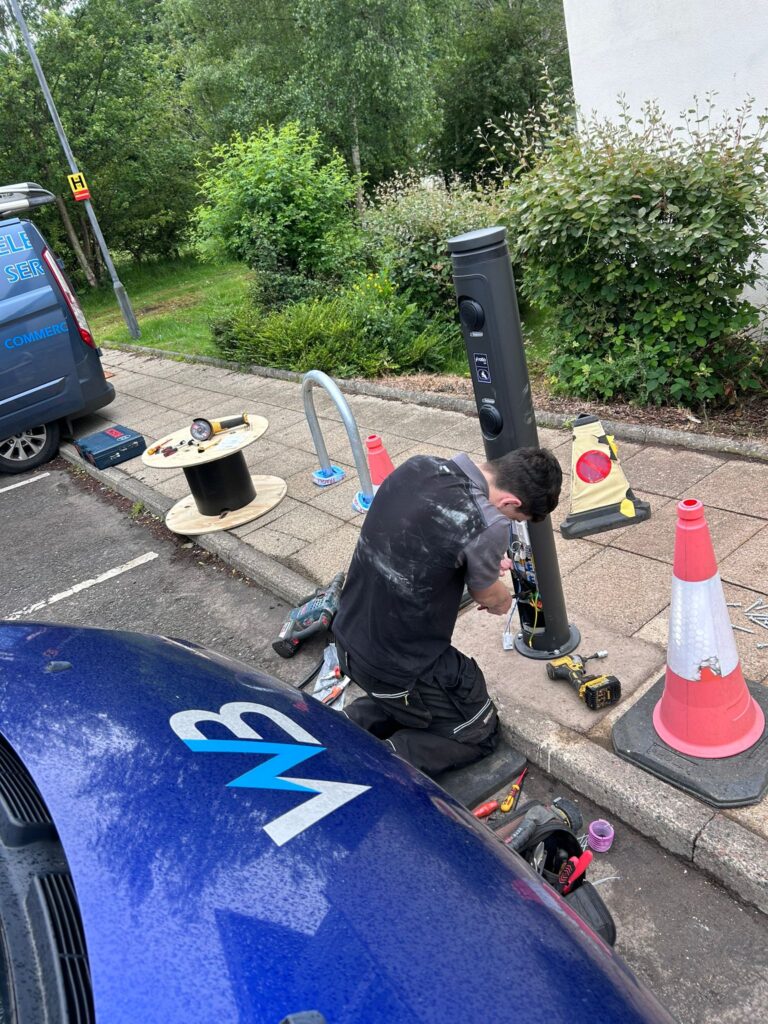
Charging that fits the visit and the site.
Retail, hospitality, destinations and permanent venue charging
Start with how customers use your car park
A short shopping visit, an overnight hotel stay and a match or concert create different charging patterns. Plan for the people arriving, the time they stay and the wider site operation.

Match charging to the visit
Compare typical and busy-day stays, expected energy needs and likely uptake. Choose charger types and bay numbers around those conditions, with provision for later phases.

Make the whole journey usable
Consider bay layout, cable reach, payment controls, lighting, signs and the route to the venue. Accessibility needs attention from the parking space through to the customer’s destination.

Allow for event-day pressure
At arenas, stadiums and exhibition venues, arrivals and departures can be concentrated. Coordinate charging bays with queueing, pedestrian movement, deliveries, stewarding and car park opening hours.
Electrical work connected to the operating plan
Choose the support your site needs
Bring the site owner, facilities team and proposed chargepoint operator into the brief. Agree who owns the equipment, who runs the service and what WB’s electrical work includes.

Check capacity and layout
For a new customer offer, an uncertain supply or additional bays.
Review existing demand, distribution, parking, cable routes and communications. Identify network enquiries, approvals and any supply changes before fixing the equipment order or opening date.
Install for a public environment
For permanent chargers at customer car parks and visitor destinations.
Define circuits, protection, isolation, mounting and impact protection. Coordinate trenching, bases, reinstatement and bay works with the relevant contractors and the site’s accessibility requirements.

Coordinate power and platform
For multiple chargers, mixed users or a managed charging service.
Assess load management alongside other site loads. Confirm charger compatibility, connectivity, access and payment interfaces with the chosen operator or platform provider.
Expand and maintain the installation
Use EV infrastructure upgrades for distribution changes, replacement equipment and future bays. Agree maintenance and support around asset condition, usage and the operator’s fault-reporting process.
Access, trading hours and contractor coordination
Keep the site working during installation
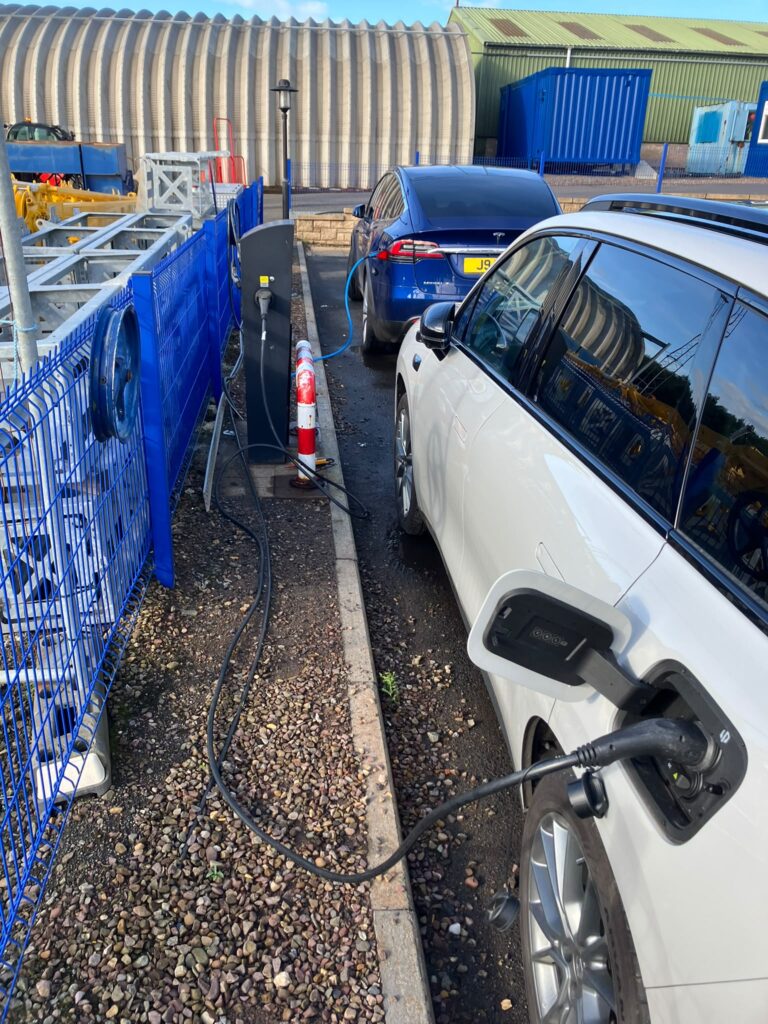
Electrical completion is one part of opening the bays. Agree operator setup, customer information and support arrangements before making charging available.
01
Confirm ownership and permissions
Identify the landowner, electricity account holder, parking contractor and chargepoint operator. Confirm leases, access rights, applicable consents and interfaces with civil, network or specialist contractors.
02
Programme around customers and events
Agree closures, protected work areas and isolation windows around trading, hotel arrivals and the event calendar. Keep emergency access and pedestrian routes in the plan, with clear notices for affected users.
03
Check the complete customer journey
Agree commissioning responsibilities for charging, payment, connectivity and user instructions. Coordinate the handover with the operator and site team so faults, refunds and parking questions have an identified owner.
Use current accessible charging guidance when developing the brief. A suitable charger still needs a suitable bay, approach and route to site facilities.
Planning visitor charging or extending an existing car park installation? Discuss the site with WB.
Clear outputs and named responsibilities
Hand over the installation and the operating plan

Electrical records for the site team
- Certification, circuit identification and charger asset references.
- Agreed charging limits, control settings and functional checks.
- Operating information, warranty details and recorded outstanding actions.
Confirm the documents and checks included in WB’s scope before work starts.

An agreed owner for ongoing service
Record who monitors availability, sets tariffs, handles driver enquiries and manages software or payment faults. Separate those responsibilities from electrical maintenance and equipment warranties.
Agree inspection and maintenance scope, escalation contacts and contractual response arrangements. A customer helpline, remote monitoring and repair attendance are different services; confirm which party provides each.
Relevant commercial EV installation experience
Electrical delivery demonstrated at Procladd
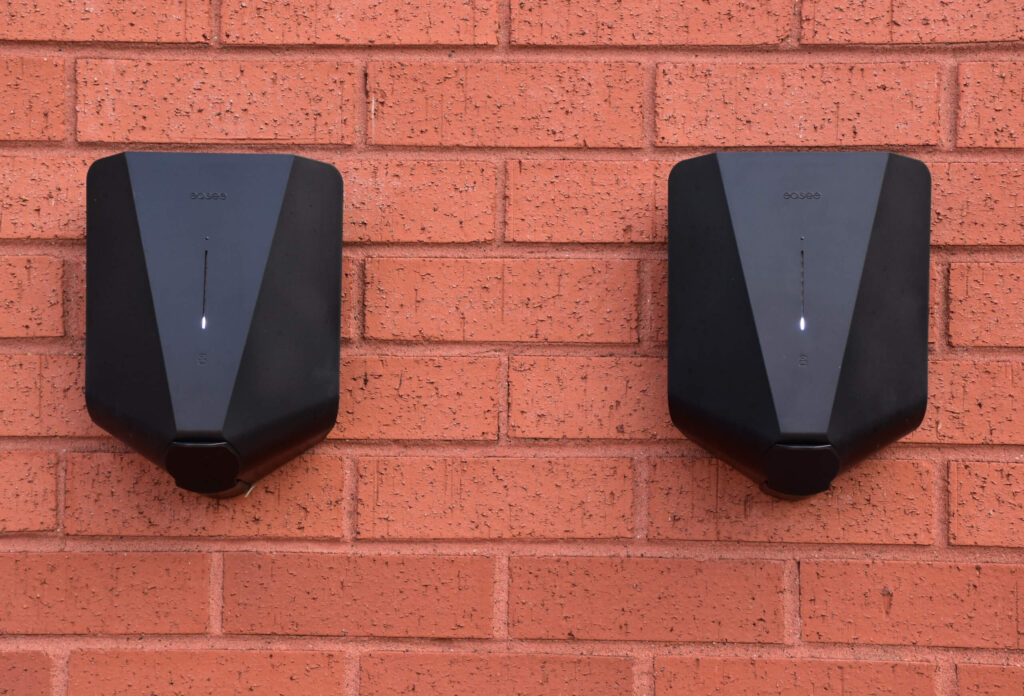
Ten workplace chargepoints in Hamilton
WB’s published Procladd project records ten Easee chargepoints installed in 2025, with supporting circuits, protection, containment, testing and authorised-user access.
This is a workplace project. It demonstrates electrical installation and handover experience; public payment, visitor accessibility and operating arrangements need their own project brief.
Supplier assurance
Review WB’s published accreditations and certificates alongside the proposed scope. Tell us about procurement requirements, site rules, working methods and the records your facilities or contract team needs.
Decisions before ordering chargers
Public and customer charging questions
Can chargers in a private car park count as public charging?
Yes. Customer access at a hotel, shop or visitor venue can bring chargepoints within the public charging rules, even on private land. Restricted opening hours do not by themselves make the service private. Assess the actual access arrangements and applicable exemptions.
Do customer sites need rapid DC chargers?
Not always. Compatible AC charging can suit longer stays; shorter visits may justify DC equipment. Compare the expected energy requirement, vehicle capability, time parked and available power. A higher advertised rating does not guarantee that every visitor will receive that charging rate.
Who handles payment and driver support?
Agree this with the chargepoint operator before procurement. Applicable public charging duties include pricing, specified payment methods and a free staffed 24/7 helpline, subject to scope and exemptions. Check the official public chargepoint guidance. WB’s electrical installation contract should state its contribution to the agreed setup.
Can this include charging at stadiums and event venues?
Yes, permanent visitor charging belongs in the car park and venue operating plan. Consider peak arrivals, show or match duration, security, accessible routes and departure congestion. Do not depend on customers leaving an event to move their vehicle. Temporary event power is a separate electrical requirement.
Can we add bays without a supply upgrade?
Sometimes. A capacity review can identify scope for load management or phased installation. Neither creates extra supply capacity, and sharing power can lengthen charging time. Separate active chargers from future routes and bay provision, and confirm network requirements before committing to expansion.
Are grants available for customer charging?
Eligibility depends on the applicant, site, intended users and current scheme terms. Some Workplace Charging Scheme applicant categories can allow public use, but a customer car park is not automatically eligible. Check the appropriate funding route before ordering or starting work; grant eligibility and approval are separate from the installation quotation.
For employee-only parking, see workplace charging. For operational vehicles, see fleet and logistics charging. Explore the full Commercial EV Charging service group.
A new customer service, an extension or a replacement
Tell us about your car park and visitors
Send the details available now. We will identify the site assessment and further information needed to define the electrical project.
Useful details for the first discussion
- Site address, ownership and the person coordinating the project.
- Visitor types, typical stays, opening hours and event-day demands.
- Bays required now, later phases and existing charging equipment.
- Supply records, layout plans and accessibility or access constraints.
- Proposed operator, payment approach, target dates and working windows.
Mention any plans or photographs you hold; the office will confirm how to share them.

What affects the quotation?
Equipment, supply capacity, cable distances, groundworks, bay layouts, working hours and commissioning all affect cost. Identify operator, payment, connectivity and maintenance charges separately from installation.
The proposal should define contractor responsibilities, future provision and any network or specialist-work dependencies.
For charging at your own home, use the domestic enquiry route.