
Schools, campuses and public estates
EV Charging for Public Sector & Education
Plan charging around the people who use your buildings. WB Electrical supports public bodies and education estates with site reviews, installation, upgrades and maintenance, from a first staff charging area to a phased programme across several locations.
Our Larkhall team works across Lanarkshire, Glasgow and the Central Belt, with wider Scottish estate programmes considered against the locations, access and support required.
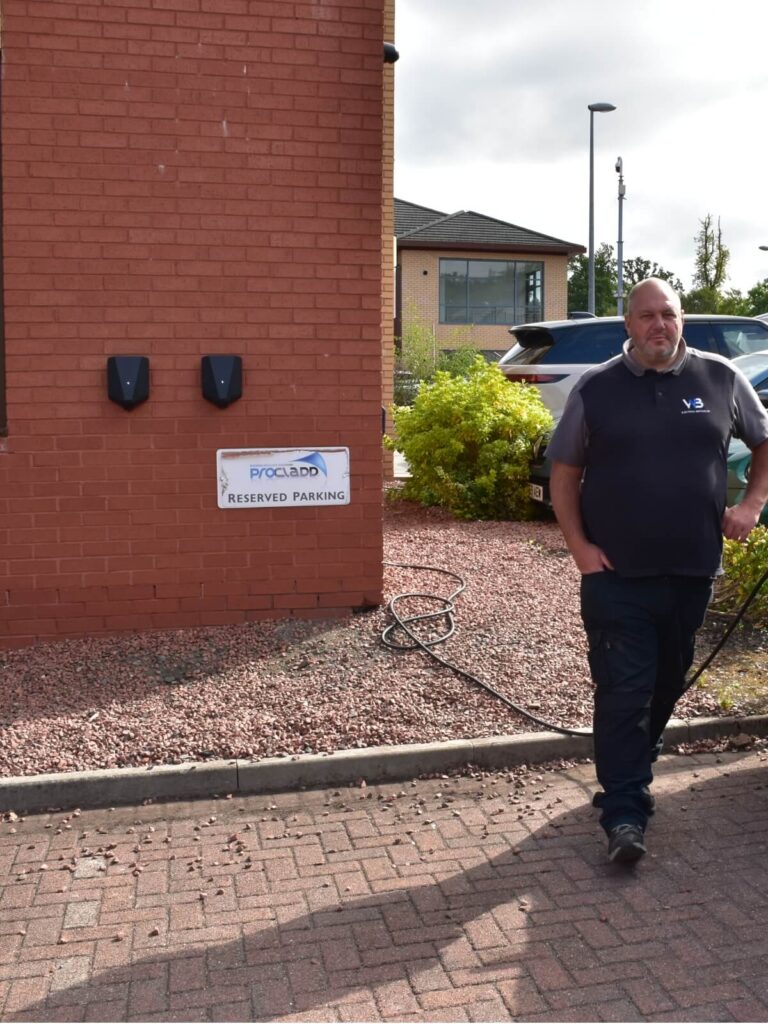
Practical charging plans for working estates.
Charging that fits the daily life of the site
Start with people, parking and the estate plan
A school staff car park, a university campus and a council depot have different users and operating hours. Establish the intended use before deciding how many chargers to install.

Teaching and public access
Plan bays, cable routes and working areas around pupils, pedestrians, accessible parking, deliveries and emergency access. Agree whether charging serves staff, students, fleet vehicles or visitors.

Budgets across the estate
Prioritise sites using demand, condition and practical delivery costs. Separate initial chargers from future provision, and include software, electricity, connectivity and maintenance in the budget.

Power shared with buildings
Consider charging alongside kitchens, workshops, heating and other electrical loads. Match charging rates to parking time and vehicle needs, then assess capacity and control options.
Technical support at each stage
Choose the support your project needs
Use a site review to shape the brief, an installation scope to deliver agreed work, or an assessment to improve chargers already in service.

Define a feasible first phase
For an early proposal, funding application or estate investment plan.
Review supply records, existing demand, parking, cable routes and likely usage. Identify further investigations, network requirements and options that can inform a specification and budget.
Deliver the agreed installation
For a new charging area or an approved extension.
Coordinate charger locations, distribution, protection, isolation and circuits with the design. Agree responsibility for groundworks, reinstatement, signage and communications before programming the work.

Keep existing charging useful
For unreliable units, mixed equipment or changing support arrangements.
Assess reported faults, asset condition and available records. Agree inspection, repair and support scope, including the boundary between electrical work, manufacturer warranty and the charging platform.
Control demand and plan later phases
Smart charging and load management can allocate available power across users. EV infrastructure upgrades cover changes to distribution, routes and equipment as the estate develops.
Estates, procurement, IT and site teams
Coordinate decisions before setting an installation date
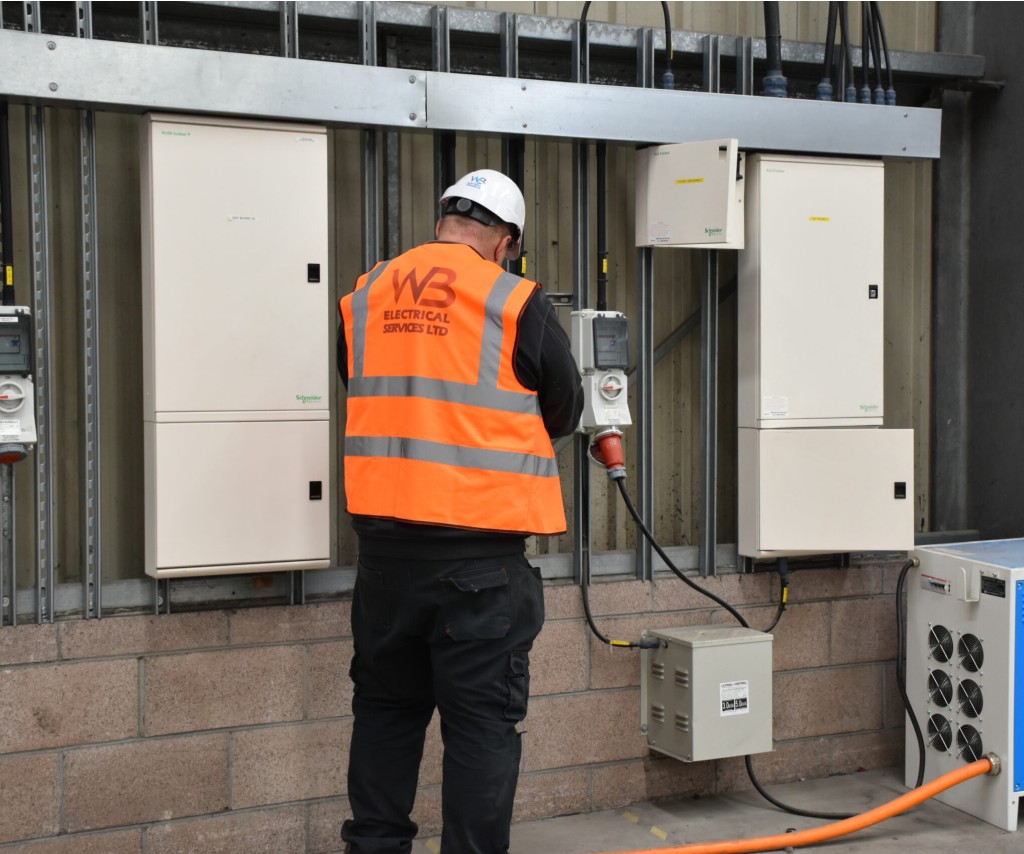
Public ownership does not define public access. Agree who may charge and when. Opening an education or council site to general users changes the operating questions and may bring public chargepoint duties into scope.
01
Confirm who can authorise the work
Identify the estate owner, purchasing organisation and site contact. Check landlord or facilities-management approvals and agree responsibility for design, civils, network enquiries and the charging operator.
02
Align the brief, buying process and funding
Share the specification or early proposal, procurement route and deadlines. WB can provide technical scope and quotation information. Any grant application, required voucher and purchasing approval must be coordinated before installation.
03
Programme around the site calendar
Discuss term dates, examinations, public opening hours, deliveries and supply interruptions. Agree safeguarding and site-access requirements, any role-specific vetting, segregated working areas and a clear handback with the responsible team.
Preparing a brief or reviewing an existing charging estate? Discuss the sites and the next step.
Records and responsibilities that continue after installation
Give the estates team a usable handover
An agreed record for each site
- Electrical certification, circuit identification and charger asset details.
- Commissioning records, agreed power limits and control settings.
- Operating instructions, warranty details and maintenance recommendations.
Specify any drawings, asset-register format, grant evidence or completion records required by the client when agreeing the scope.

Ownership of everyday operation
Agree who manages user accounts, tariffs, usage reports and support requests. Involve IT in connectivity, account access and data requirements before selecting the platform.
Record subscriptions, fault contacts, response arrangements and the process for adding users or changing service providers. Public operation and any payment service need an explicitly agreed owner.
Evidence for your contractor assessment
Experience with charging and operational estates
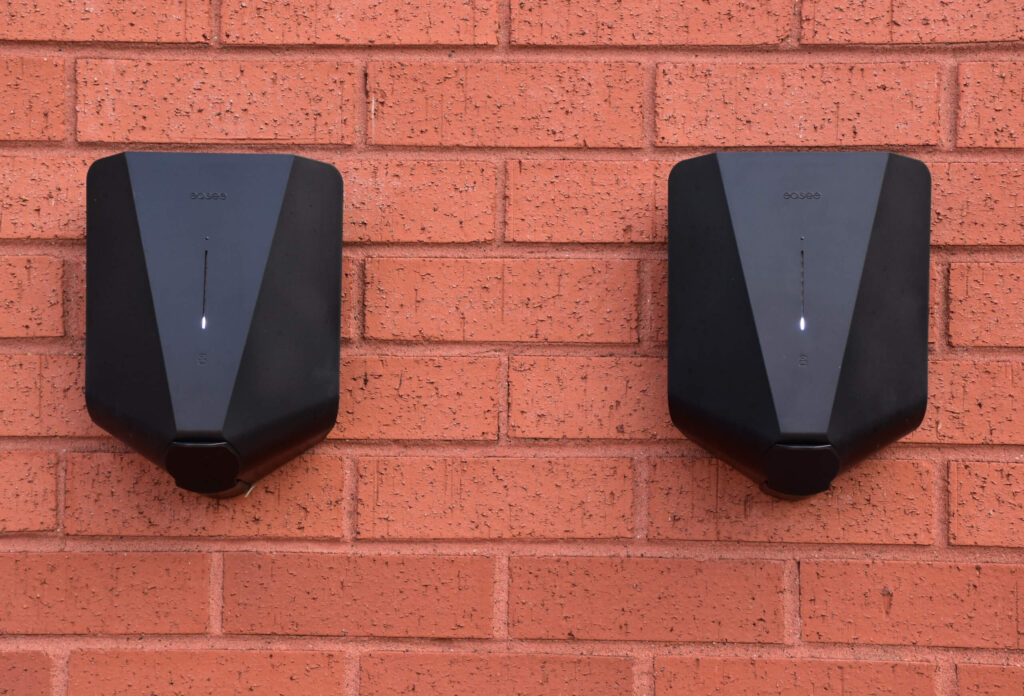
Workplace EV installation and public-estate support
WB’s Procladd workplace charging project records ten Easee chargepoints installed in Hamilton in 2025, with supporting electrical work, testing and authorised-user access.
Our Scottish Ambulance Service case study separately demonstrates electrical installation, maintenance and testing across a working public estate. Your education or public-sector EV scope would be agreed for its own operating conditions.
Supplier assurance
Review WB’s published accreditation information and specify the project evidence you require, including relevant competence, insurance, risk assessments, access arrangements and completion records. Procurement requirements should be checked against the proposed contract.
Questions from education and public-estate teams
Planning your charging project
Can we discuss a project before issuing a tender?
Yes. An early site review can help identify options, constraints and information needed for a brief. Tell us the intended procurement route and how supplier engagement should be handled. Any appointment and formal response must follow your organisation’s purchasing process and the instructions for that opportunity.
Is there EV charging funding for Scottish schools?
Eligible state-funded education institutions in Scotland can use the dedicated education charging scheme. Other eligible organisations may use the Workplace Charging Scheme. Check current eligibility, eligible equipment, installer authorisation and voucher timing before work starts. Funding does not replace procurement approval.
Can installation take place during term time?
Sometimes, where access, separation and supply arrangements allow it. Other work may need school holidays, closure periods or agreed out-of-hours access. Share examinations, events and critical dates early so the programme can be assessed. A preferred date remains subject to approvals, equipment and any network work.
Can school or campus chargers be opened to the public?
Potentially, subject to the site’s permissions, access policy and operating arrangements. Restricted staff or student charging differs from general public use. Before opening access, establish the operator, user support, payment arrangements where relevant and applicable public chargepoint requirements. See public and customer charging for that operating model.
Will adding chargers require an electricity supply upgrade?
That depends on available capacity, existing demand and when vehicles need to charge. Load management may allow a phased installation within an agreed limit, but charging rates can reduce when demand rises. A review should establish whether the proposed service is practical or additional capacity is needed.
Can WB review chargers installed by another contractor?
We can assess the installation and reported issues within an agreed scope. Provide equipment details, existing records, warranty information and platform contacts. Repairs or migration depend on equipment condition, manufacturer support, compatible systems and authorised access. Maintenance frequency and response arrangements are agreed for the estate.
For the underlying use pattern, also explore workplace charging or fleet and depot charging. The Commercial EV Charging hub brings the service options together.
A single site or a phased estate programme
Tell us about the sites and the decision ahead
Whether you have an early requirement, an approved brief or chargers needing attention, share the project stage so we can identify the appropriate next step.
Useful information for the first discussion
- Organisation, site addresses and responsible estate contact.
- Intended users, parking times and current or proposed charger numbers.
- Available supply records, layouts and existing equipment details.
- Access restrictions, term dates and required completion dates.
- Buying route, funding plans, specification or tender reference.
For a formal opportunity, include its deadline and required response channel. The office can advise how to share plans and supporting records.

What affects the quotation?
Supply capacity, charger specification, routes, civils, reinstatement and access affect installation costs. Multiple sites, restricted working hours and reporting requirements also influence delivery.
Compare the installation price with ongoing platform, connectivity, electricity and maintenance costs. State assumptions, exclusions and third-party work clearly in the agreed scope.
For a charger at your own home, use the domestic enquiry route.