
Hazardous Area Documentation, Compliance and Reporting
Dutyholder-ready Ex reporting, clear defect logs, and close-out evidence
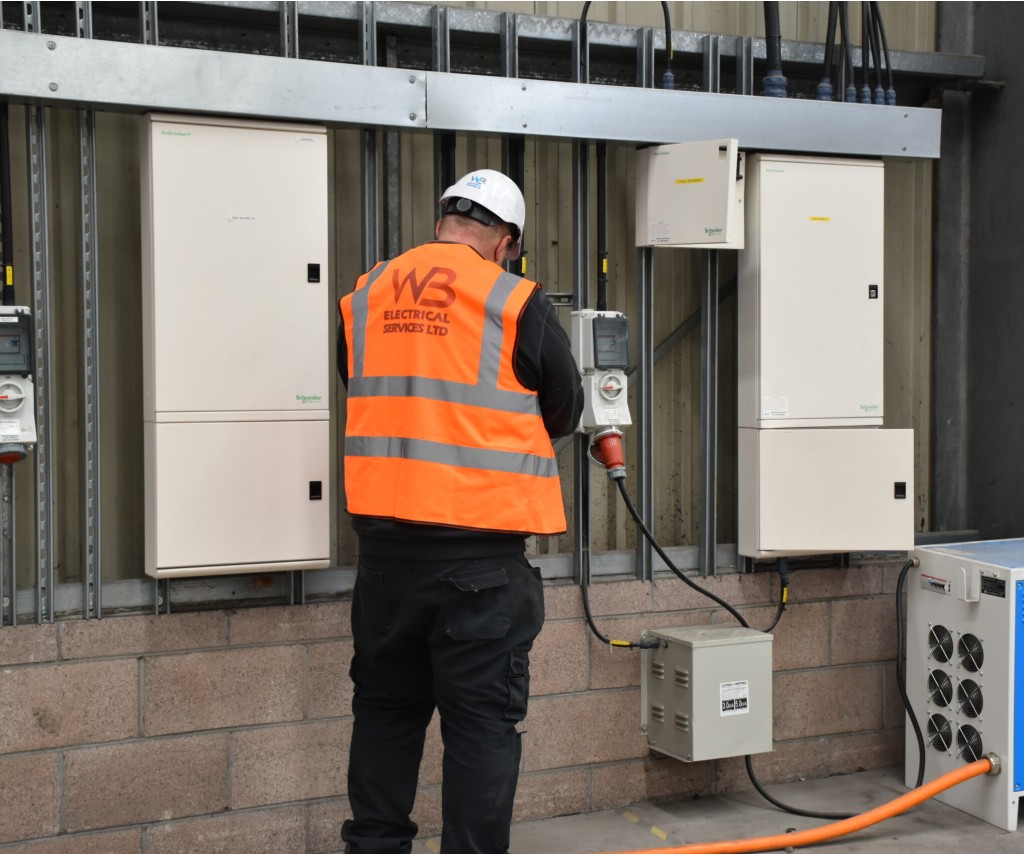

Inspection Reports You Can Use
Structured reporting aligned to Ex inspection expectations, suitable for dutyholder files.

Defect Logs and Priorities
Clear defect list with locations, photos, severity, and recommended remedials.

Remedial Close-Out Evidence
Before and after photos, notes, and confirmation of what changed, ideal for audits.

Standards and Competence Led
CompEx Ex01–Ex04 covers technicians who install, inspect and maintain Ex electrical equipment in hazardous areas.
Clear records, stronger compliance
Documentation is what turns hazardous area work into a managed system
Hazardous area compliance relies on good decisions and good records. Under DSEAR, employers must assess and control fire and explosion risks from dangerous substances.
On the electrical side, HSE signposts the BS EN 60079 series, including Part 14 for installation design, selection and erection, and Part 17 for inspection and maintenance.
Strong documentation helps you:
- demonstrate a consistent, competent approach to Ex inspections and maintenance
- keep your Ex assets traceable, tagged, and aligned with what is actually installed
- turn inspection findings into planned remedials, with proof of closure
- reduce repeat callouts caused by “unknown history” or undocumented modifications
- support dutyholder responsibilities to maintain systems to prevent danger
What we produce, in practical terms
Your reporting pack can include, depending on scope:
- Ex inspection report, per area, asset or schedule
- defect log with priorities and recommended actions
- photo evidence, including clear asset ID references
- remedial close-out notes, what was changed, replaced, or corrected
- as-built notes, labels, and practical updates for ongoing maintenance
- a simple “next actions” plan, what should be done now, next shutdown, next cycle
Important note on “ATEX, UKEX, certification”
HSE highlights that new equipment sold in the UK for use in potentially explosive atmospheres must be assessed as suitable and appropriately marked, including ATEX markings and conformity assessment marking. We help you keep evidence of what is installed and why it is suitable, as part of the documentation and handover.
Call us today: 01698 883232
Get a quote for hazardous area documentation and reporting
Tell us what you need reported, inspected, or closed out, and we’ll recommend the right reporting pack for your site.
Email: info@wbelectrical.co.uk
Clear Ex reporting, clear priorities, clear close-out.
Where hazardous area documentation and reporting makes sense
This service is most valuable where Ex systems are critical, where sites change over time, and where dutyholders need confident records that link inspections, defects, remedials, and ongoing maintenance into one clear story. HSE emphasises regular inspection and maintenance by competent people, backed by recognised standards.

Distilleries and bonded warehouses
Frequent maintenance and process changes can create documentation drift. Reporting packs keep Ex assets traceable, support shutdown planning, and help prevent “unknown modification” risks.

Chemical and pharmaceutical sites
Documentation discipline matters. Structured reporting supports change control, audit trails, and consistent standards across upgrades, replacements, and expansions.

Paint, coating and spray areas
Harsh conditions accelerate deterioration. Clear defect logs and close-outs reduce repeat faults and help dutyholders prioritise remedials that protect Ex integrity.

Biomass and wood processing facilities
Dust, vibration and impact can damage equipment and containment. Consistent reporting helps spot patterns early and justify planned remedials before faults turn into downtime.

Fuel storage and dispensing areas
Corrosion and impact risks are common. A reporting pack provides evidence of suitability, condition, and defect closure, which strengthens confidence during audits or incident reviews.

Waste, recycling and AD facilities
Tough environments and continuous operation mean defects can multiply quickly. Reporting turns reactive firefighting into structured action, with proof of improvements over time.

Water and wastewater treatment sites
Damp environments can drive ingress and corrosion issues. Reporting helps keep assets aligned, defects tracked, and remedials evidenced across longer maintenance cycles.

Manufacturing and process lines
Constant additions and alterations lead to “site creep”. Documentation keeps the Ex installation coherent and maintainable, and supports dutyholder confidence when plant layouts evolve.
Hazardous Area Documentation and Reporting across Scotland
Clear reporting, clearer priorities, stronger compliance
Send your site details and we’ll recommend a documentation pack that supports inspections, defect management, and remedial close-out, with dutyholder-ready outputs.
Trusted Electrical Experts
Fully Accredited & Fully Compliant
Our engineers are trained to the highest standards and certified across key industry schemes. Giving you peace of mind that your electrical systems are in safe hands.






Got a question about Hazardous Area Documentation and Reporting?
Ask our expert team and we’ll help you decide what records you need, what level of detail is sensible, and how to build a manageable inspection and close-out routine.
Frequently Asked Questions
Other services you may be interested in
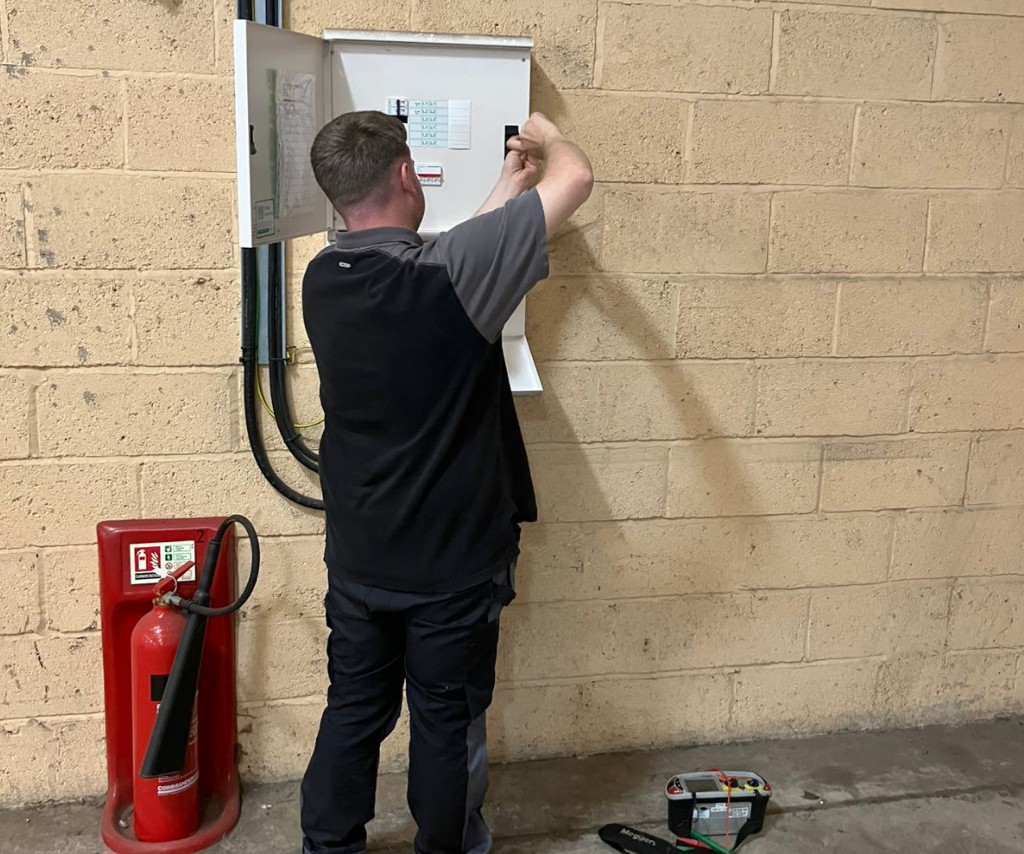
Hazardous Area Inspection and Testing
Standards-aligned inspections with clear defect reporting and priorities.
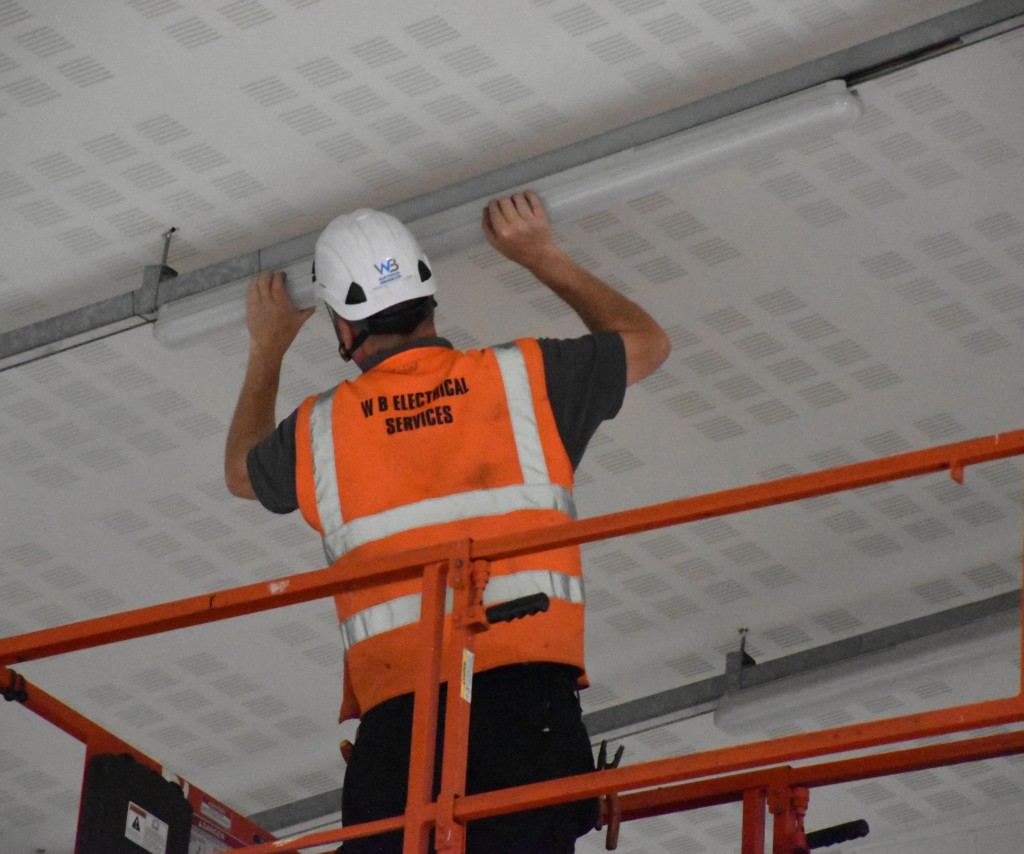
Hazardous Area Planned and Reactive Maintenance
Planned visits plus controlled reactive support to close defects and protect uptime.
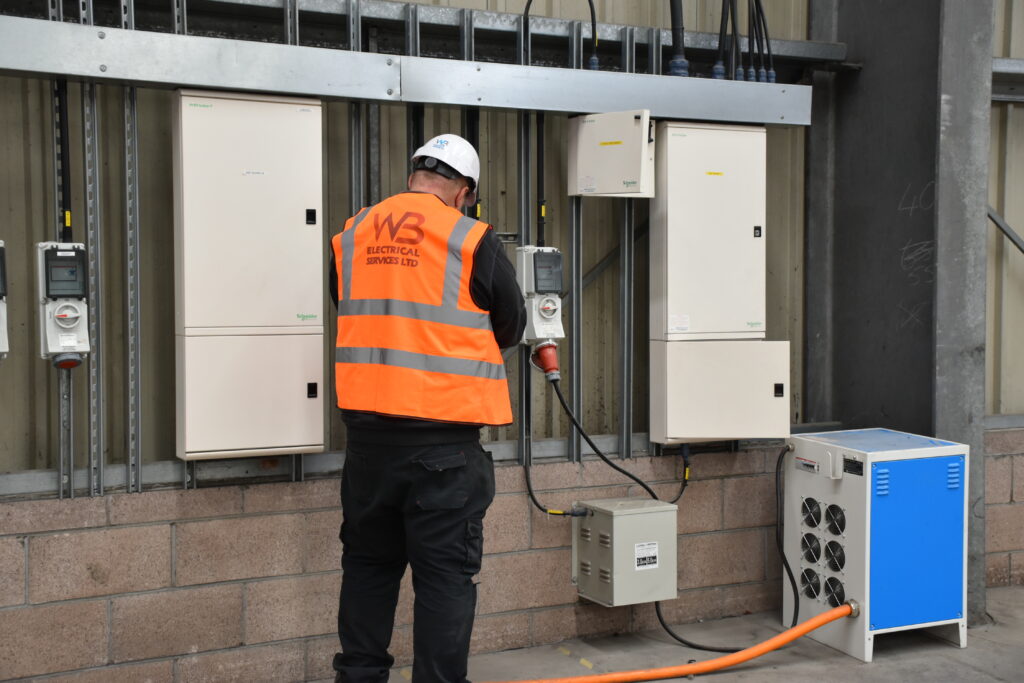
Hazardous Area Installations
CompEx certified installs, additions, and alterations delivered on live industrial sites.
Locations we cover
Central Scotland and beyond, including Glasgow, Edinburgh, East Kilbride, Hamilton, Motherwell, Airdrie, Coatbridge, Livingston, Bathgate, Falkirk, Stirling, Cumbernauld, Paisley, Renfrew, Clydebank, Dumbarton, Greenock, Ayr, Kilmarnock, Dunfermline, Kirkcaldy, Perth